
You might think we travel deliberately so that the thermometer shows a few degrees more at every new destination:
- Cancun and Holbox: 28 degrees
- Playa del Carmen and Tulum: 29 degrees
- Valladolid: 32 degrees
- Merida: 34 degrees
- Campeche: 38 degrees
- Palenque: 42 degrees
Arriving in Palenque after 6 hours on the bus, we have at least reached the limit of my heat tolerance. Long since exceeded it, in fact. I am glad the stay in Palenque lasts only two nights and that we then head into the Mexican highlands to San Cristóbal de las Casas. A forecast in the low twenties promises exactly the cooling I long for!
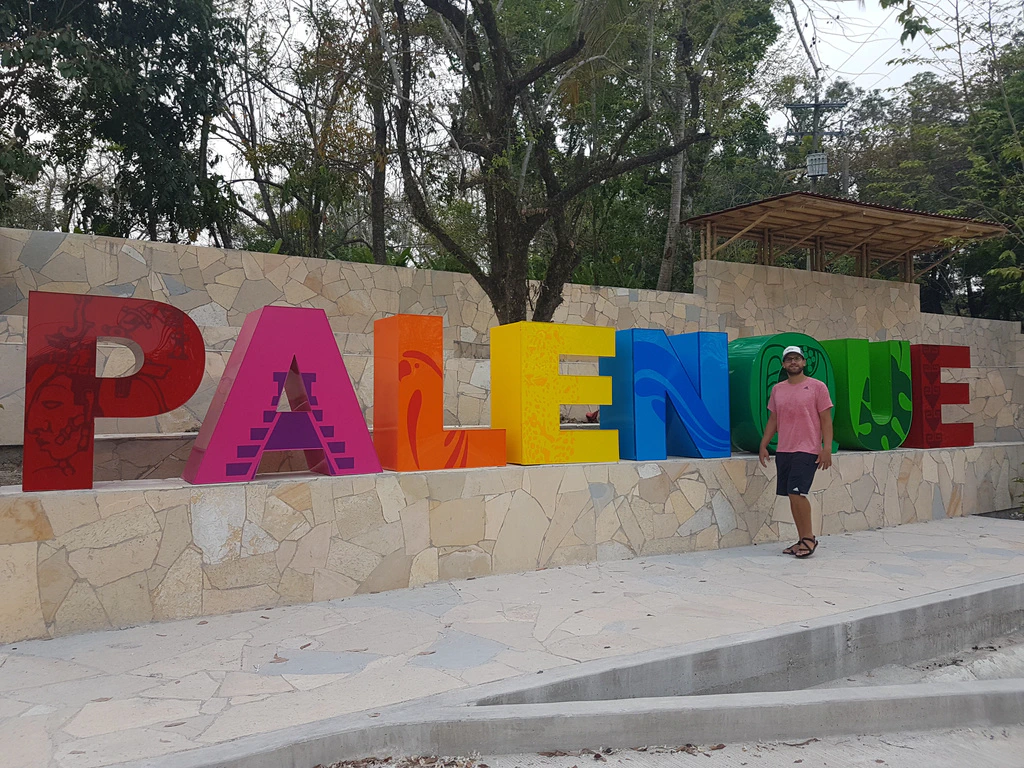
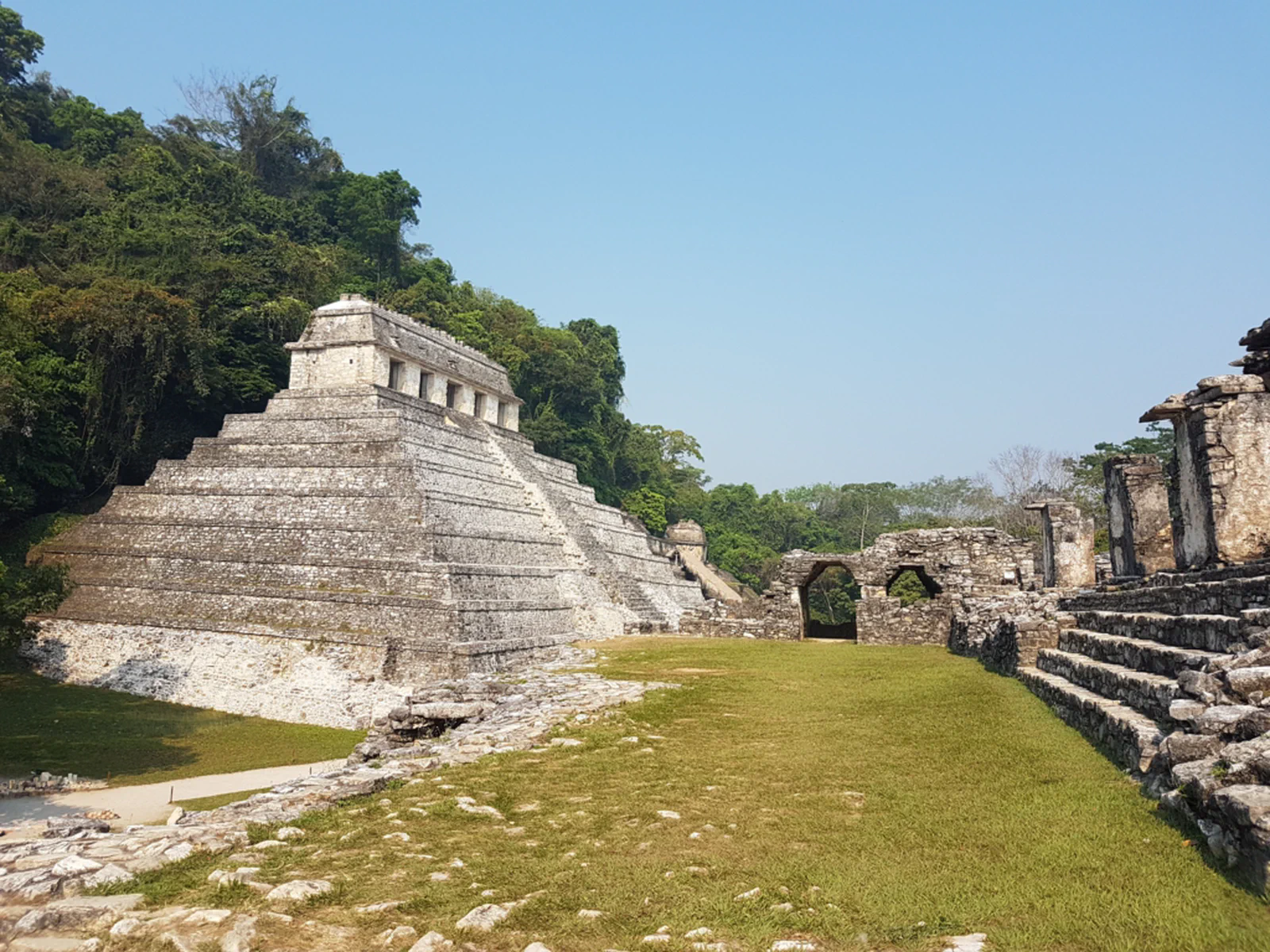
Palenque in the state of Chiapas is an unspectacular small town, but it is the gateway to the jungle and to the Maya ruins of the same name. Even more ruins? Yep, we wanted to see these ones. Set in the densest jungle, they are supposed to be very impressive.
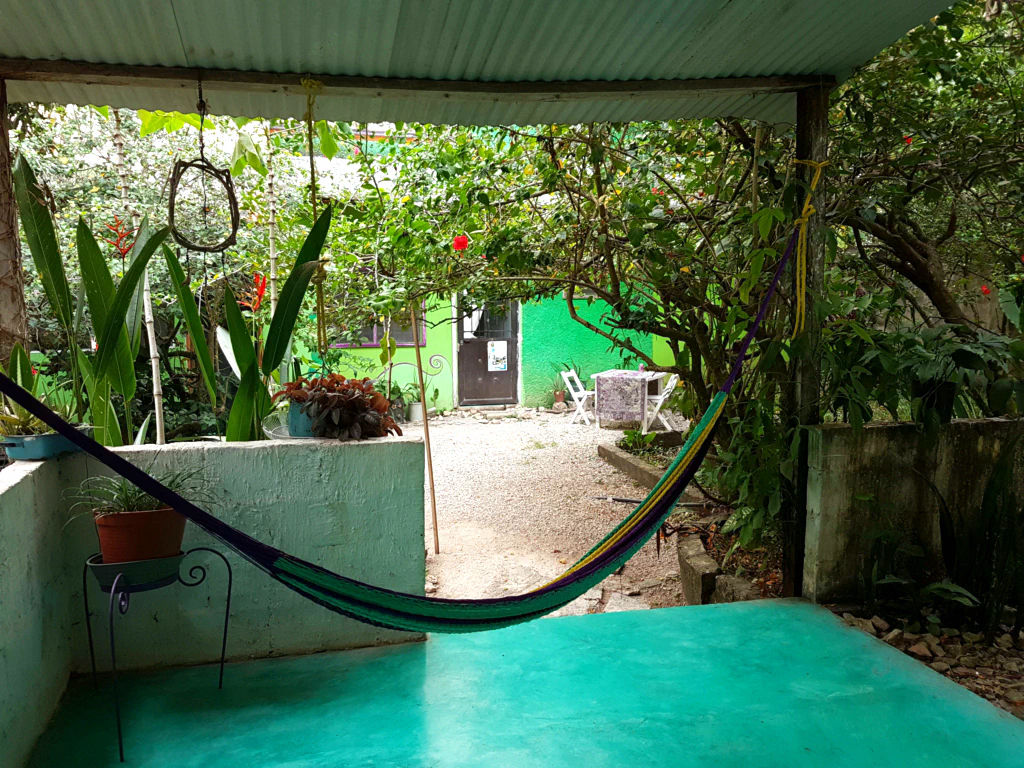
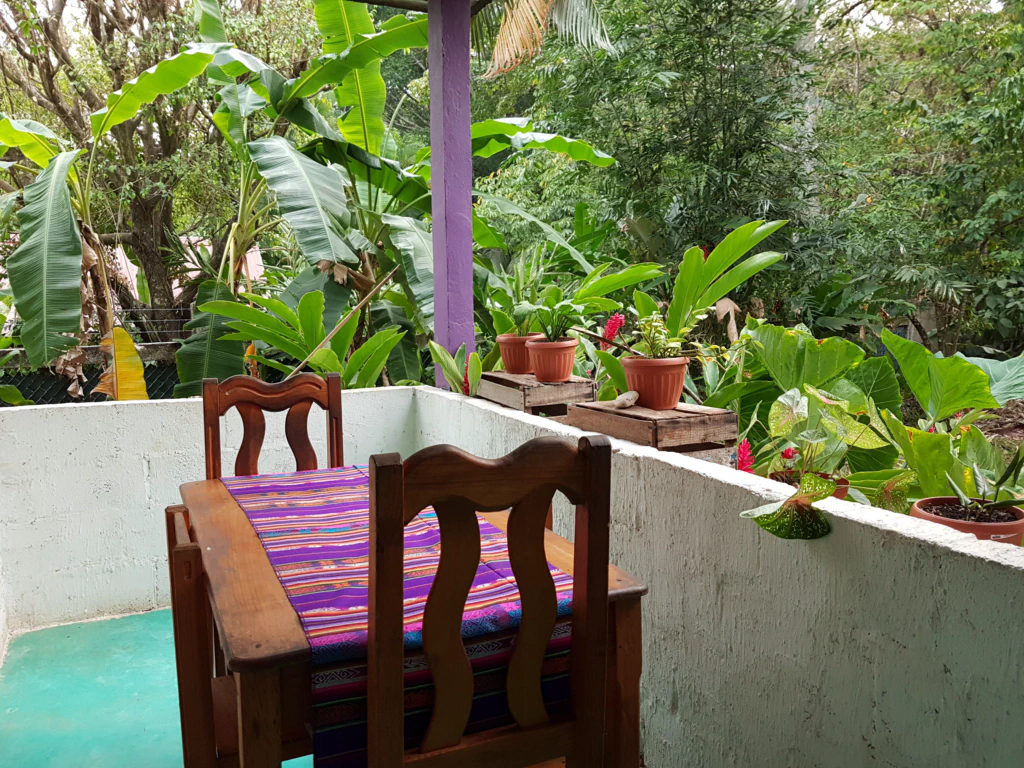
Our accommodation lay slightly out of town, halfway to the ruins, which gave it a particular jungle feeling - partly because it falls more into the ‘basic’ category. We liked the building’s nature-loving atmosphere (the corridor opens without doors onto the terrace, which connects directly to the small courtyard) rather less at second glance, though, since the toilets and showers were separated only by curtains and we could not find a single pot in the kitchen that looked trustworthy enough to use…
In addition to the ruins there are plenty of waterfalls to see around Palenque. We had actually picked out the best known waterfall area for our excursion: Agua Azul. Our host recommended the Roberto Barrios area, though, opened to the public only two years ago and nowhere near as crowded and developed for tourism as Aguas Azules. Convinced - we were happy to spare ourselves a second Chichén Itzá experience.
At this point I have to get an observation off my chest: if there is one thing Mexicans cannot do, it is read maps! We have always wondered why the taxi drivers regularly despair when we hold the Google Maps section for our accommodation under their noses. Since many Mexican towns have no street names but are simply numbered, it is actually incredibly easy to find any address, even if you do not know your way around at all (which as a taxi driver you really ought to…).
Anyway - back to the story - we asked our host to show us the recommended Roberto Barrios waterfalls on the map. No, he could not do that. (?) So we entered it into Google, which spat out a result on the Guatemalan border. We showed him the search result and said that could not be right. Oh yes it is, he said, since the route is flat and not mountainous, you get there much faster than to Agua Azul (which is only 60 km from Palenque but requires 1.5 hours of driving). 40 minutes for 250 km?!? We realised we were not going to get any further here…
Back in the town centre we managed to organise a transfer to the waterfalls, which really do lie only 40 minutes outside Palenque (the Google result was a different place with the same name…). So nothing stood in the way of a packed day of ruins and waterfalls!
For the tour of the ruins of Palenque we joined a small guided group for the first time - despite Jan’s protests that it was all on Wikipedia anyway (which he was right about). But I think it was worth it all the same!
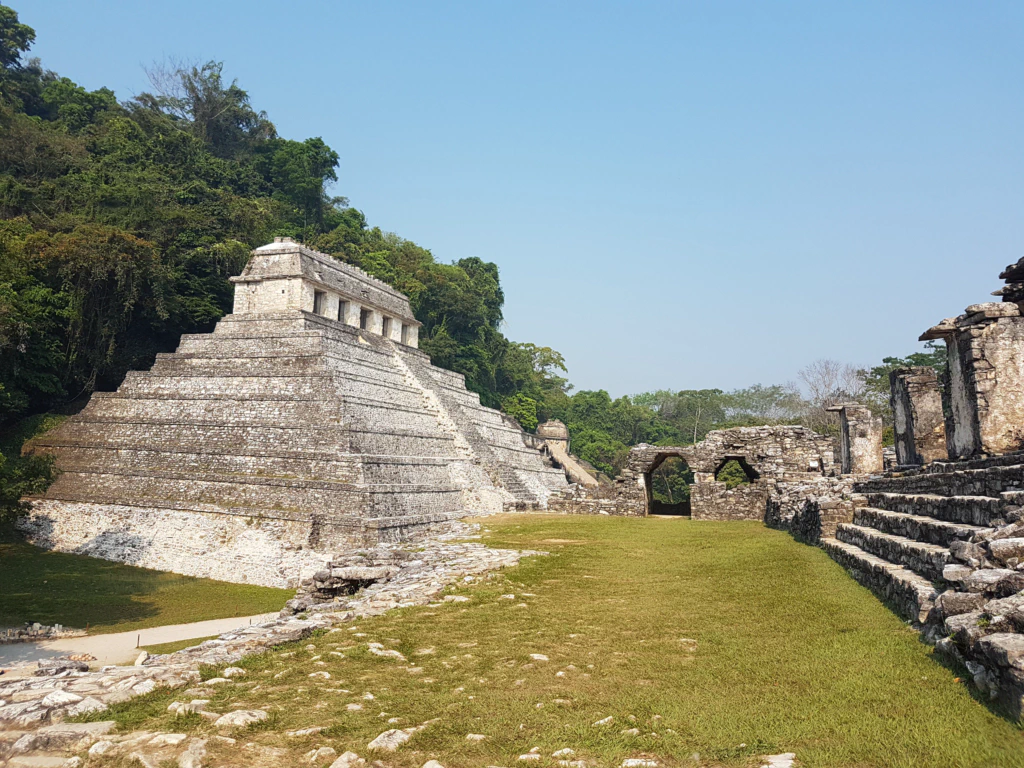
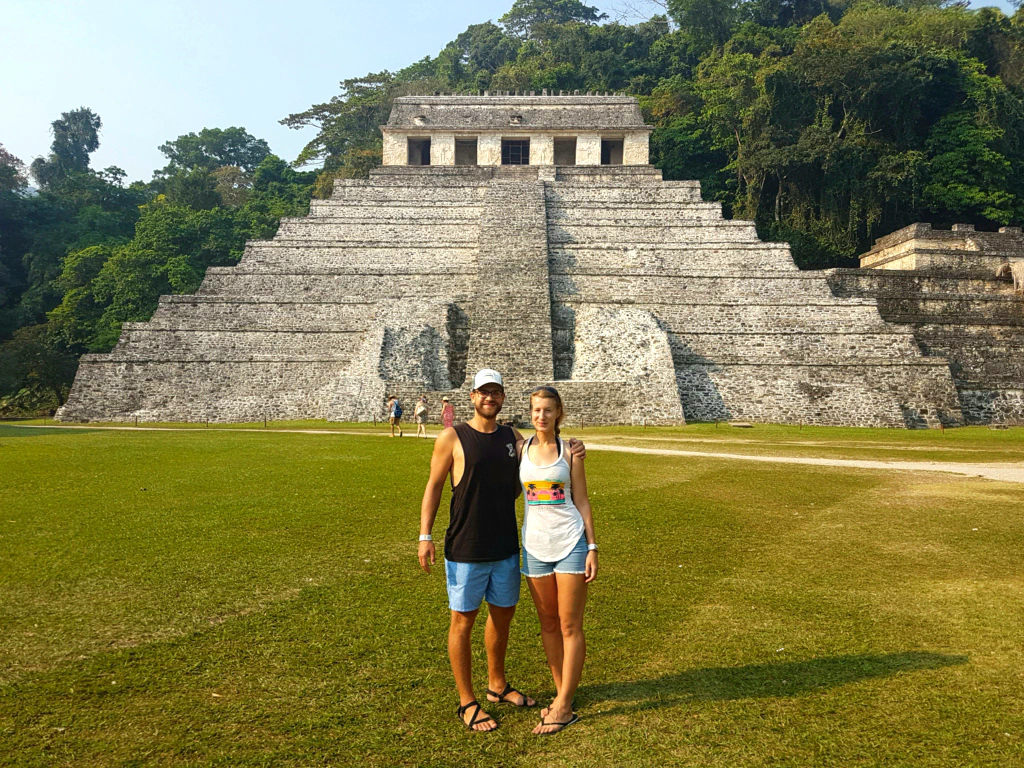
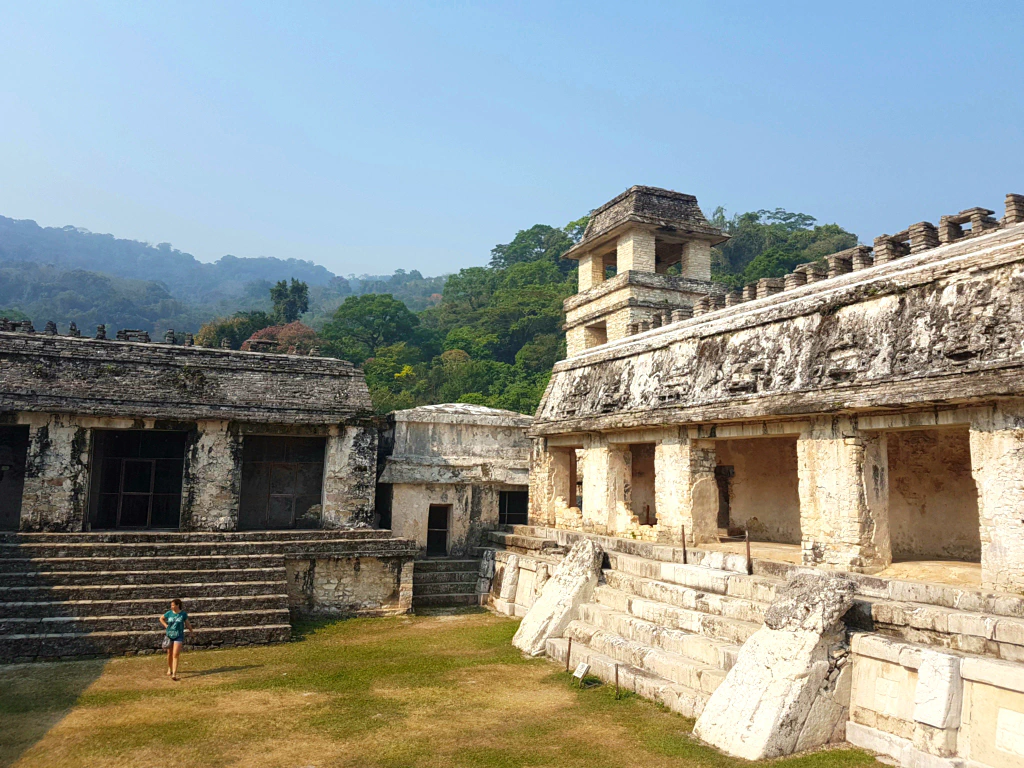
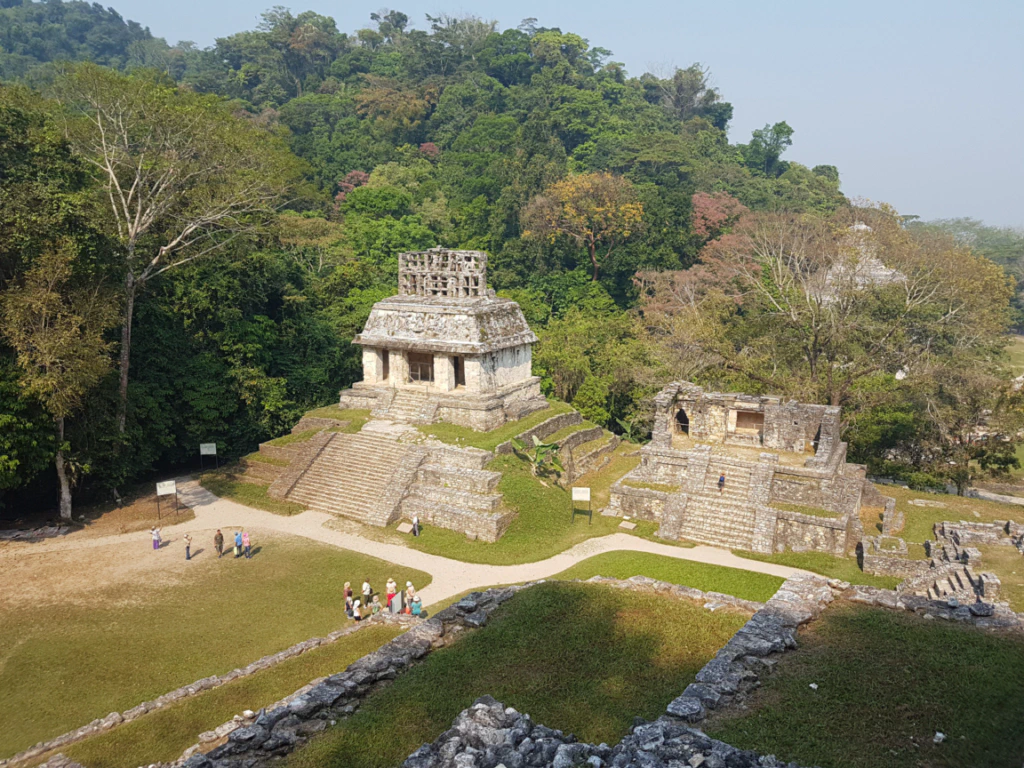
Palenque is a former Maya metropolis that has been uninhabited since 800 AD and exposed to the forces of the rainforest ever since. The city fell into oblivion for centuries and was completely overgrown by the jungle in that time. Trees even grew on the buildings.
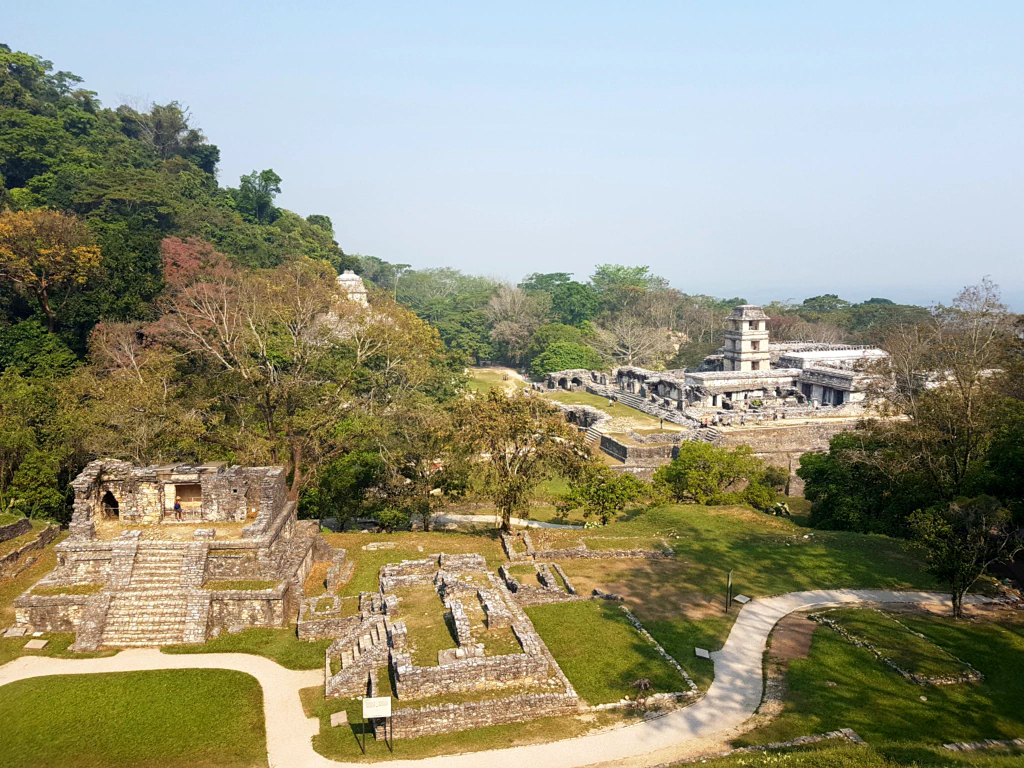
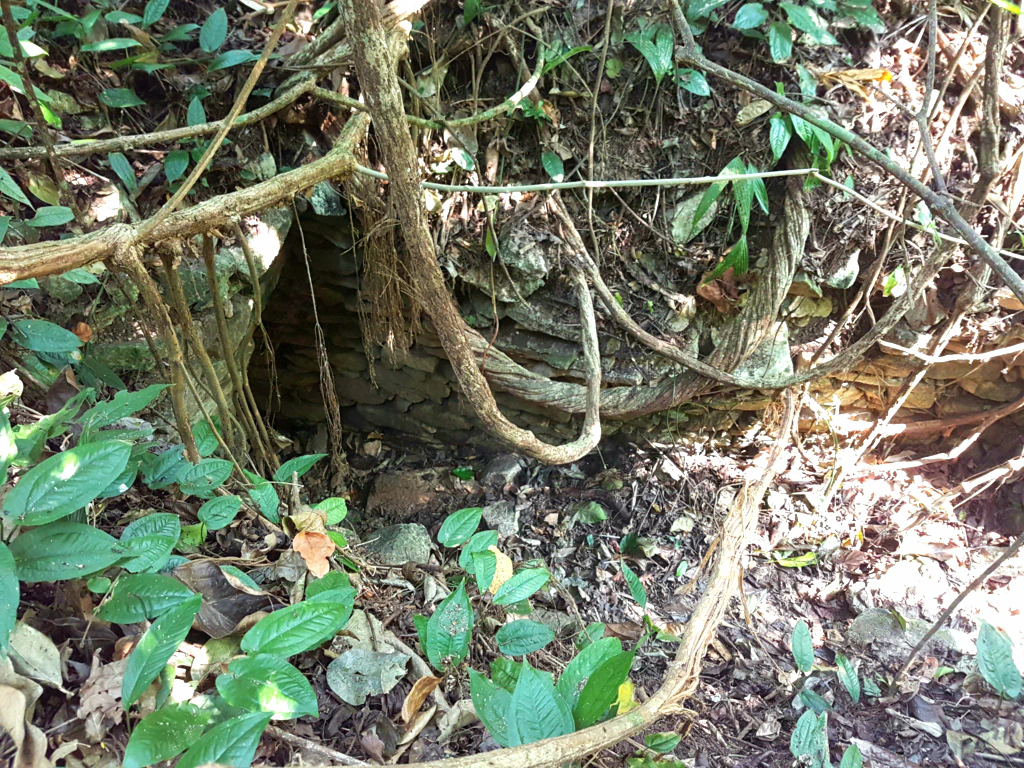
The area uncovered so far, which is already very impressive, represents barely 5 per cent of the former metropolis. 95 per cent is still swallowed by rainforest vegetation - and, for lack of money, will probably stay that way. We also did a short walk through the jungle and saw a few former buildings. That was what really made clear how much work the restoration would mean!
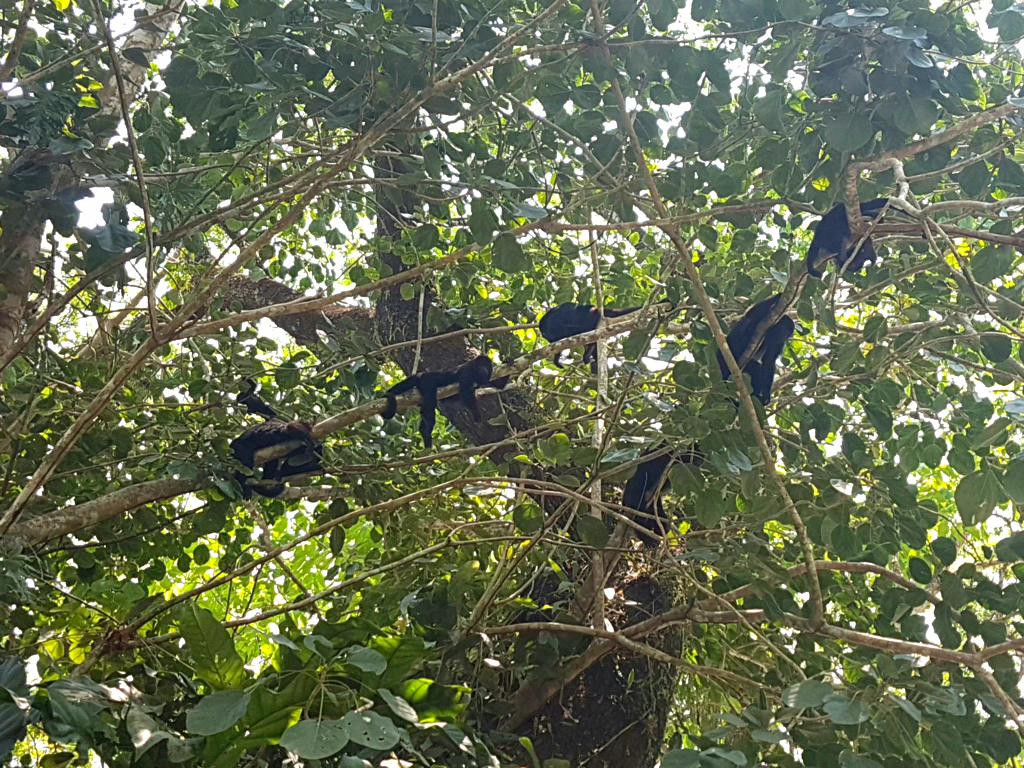
While waiting for our transport to the Roberto Barrios waterfalls, we saw a group of monkeys - and I believe they were the notorious howler monkeys. There was even a little baby monkey among them. ❤️
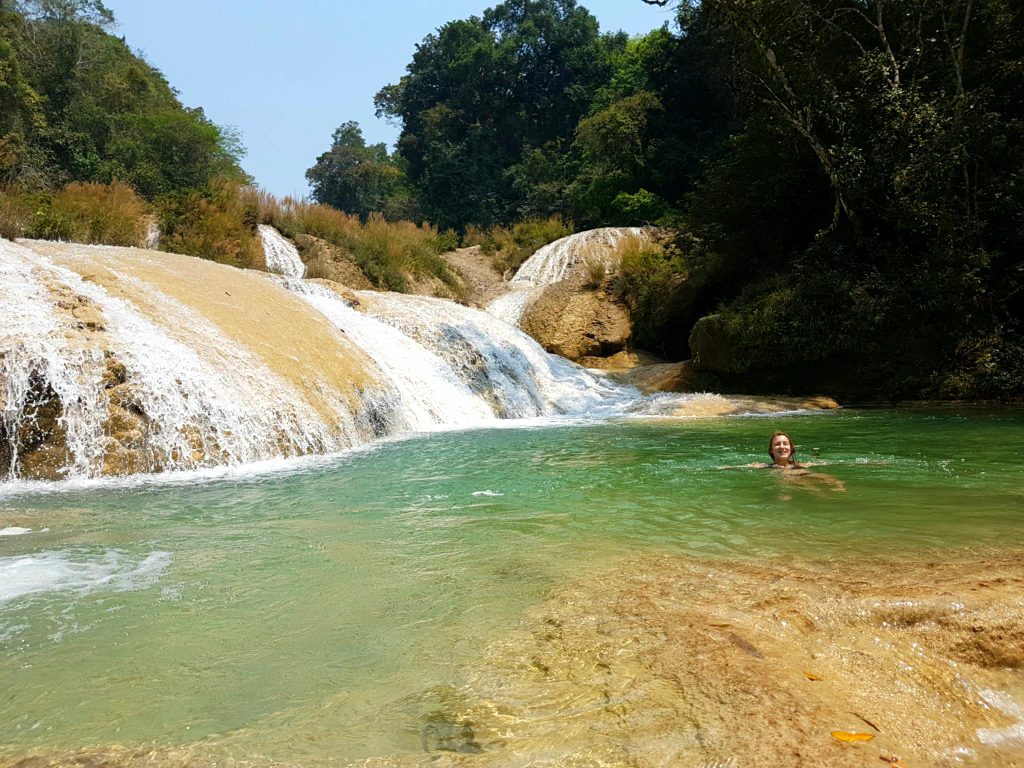
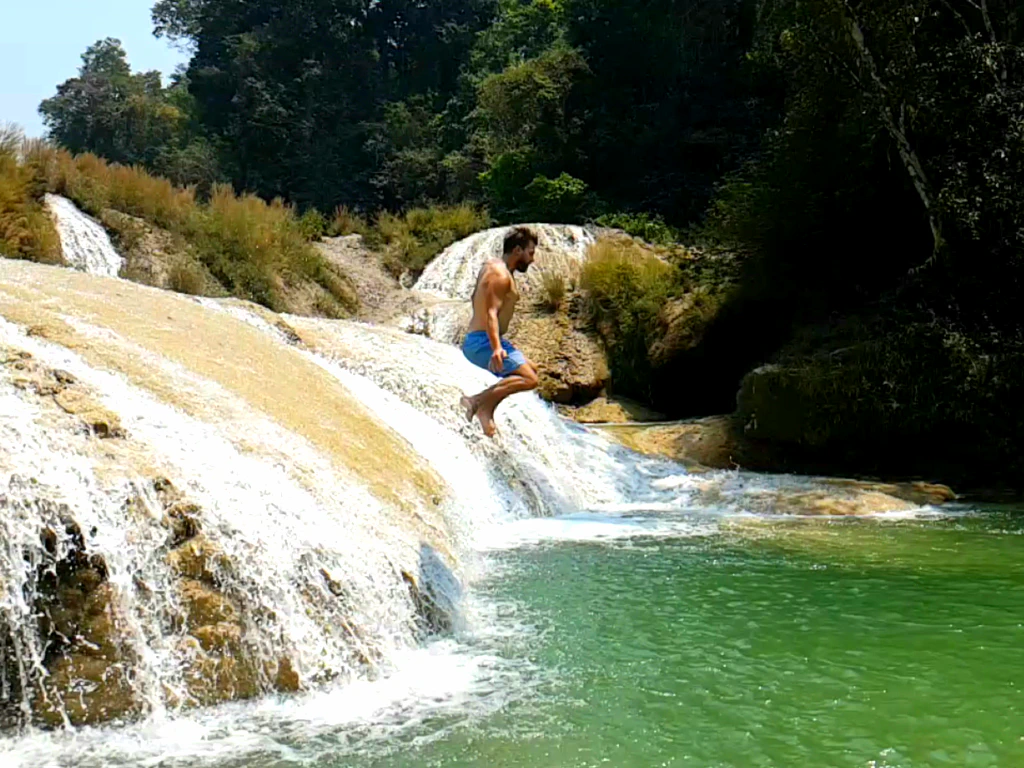
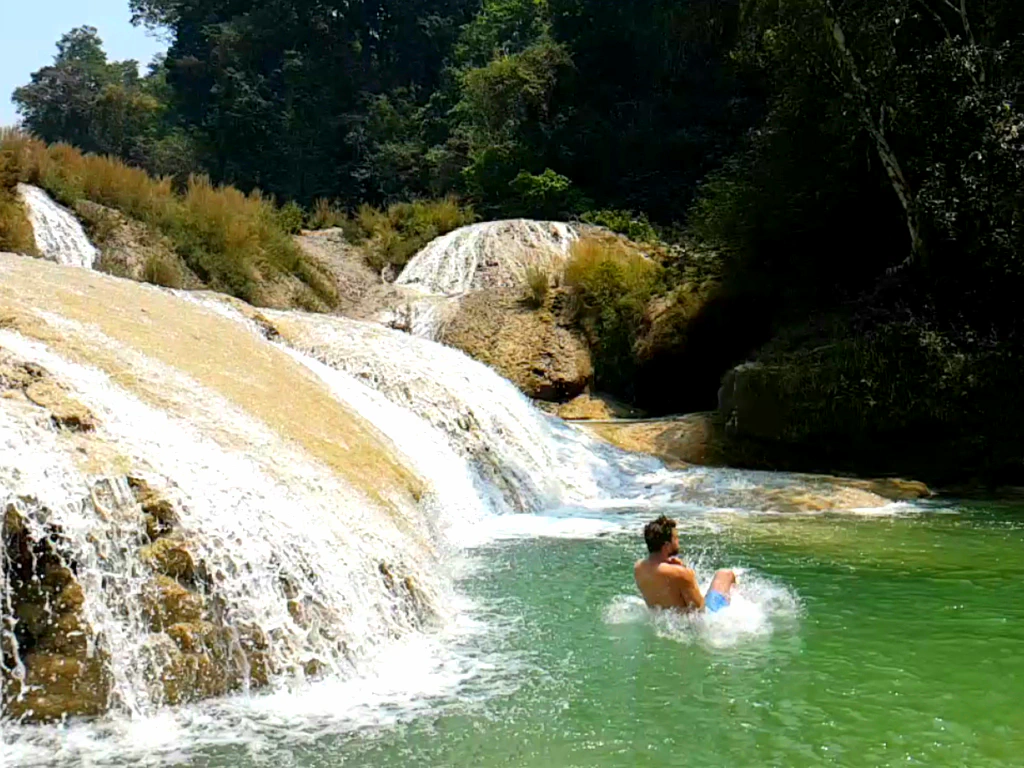
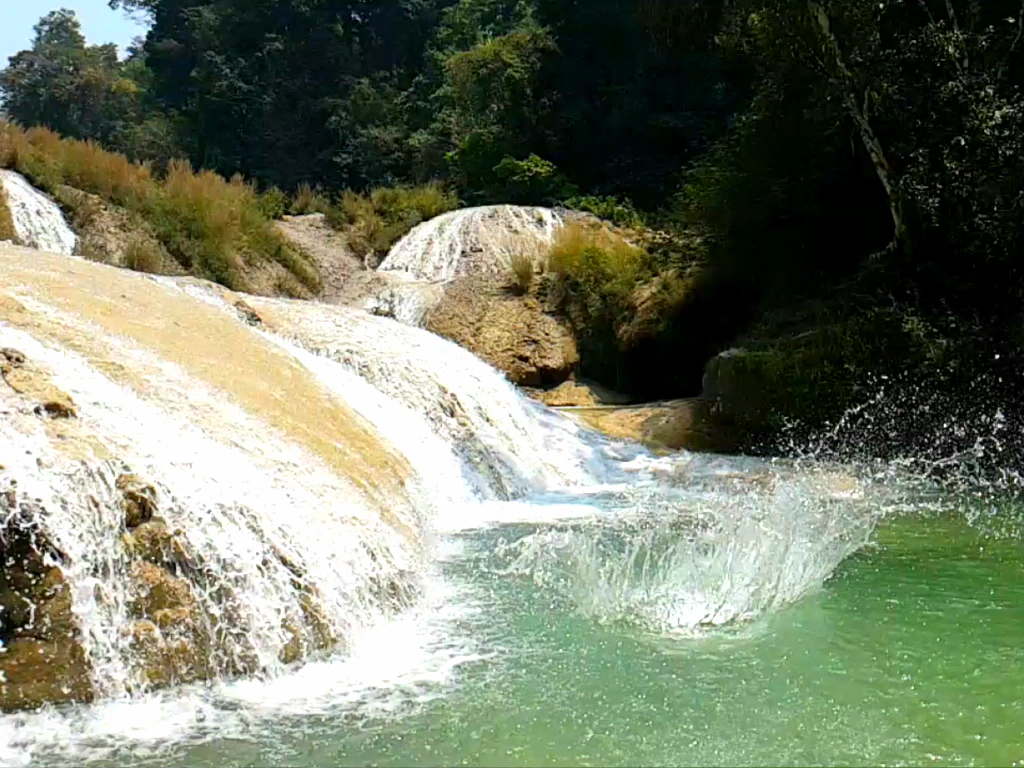
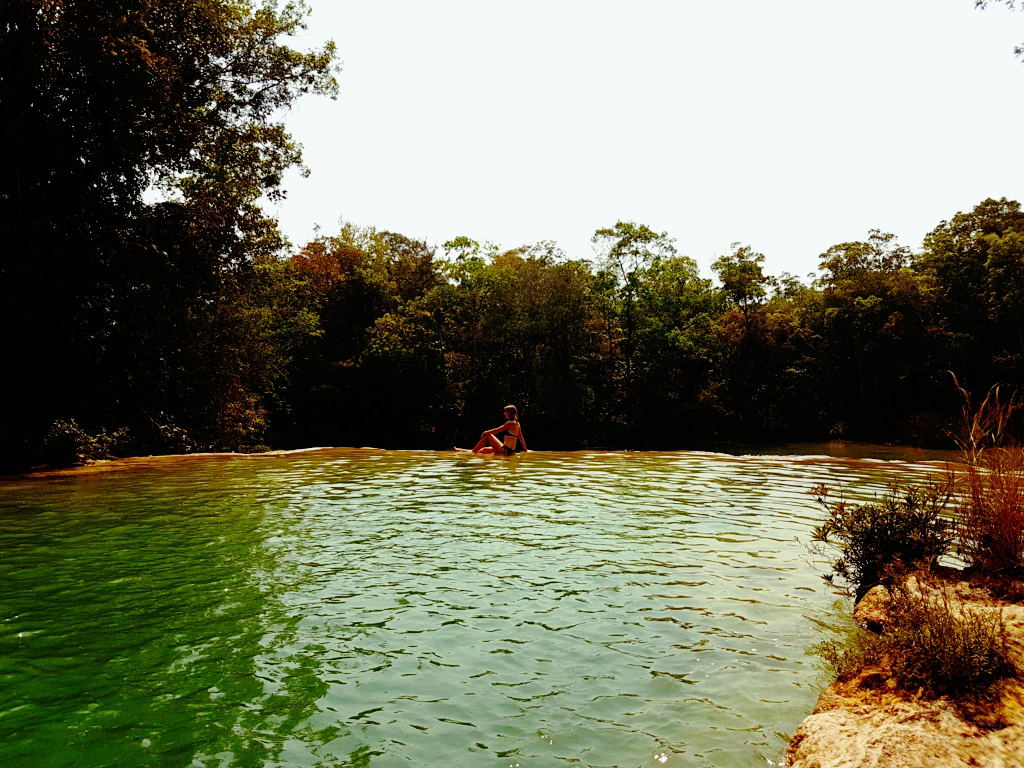
The Roberto Barrios cascades were a pleasant surprise. An enormous area of waterfalls and pools that you walk down, picking one of the pools to swim in. Clear, not-too-cold water. Wonderful!
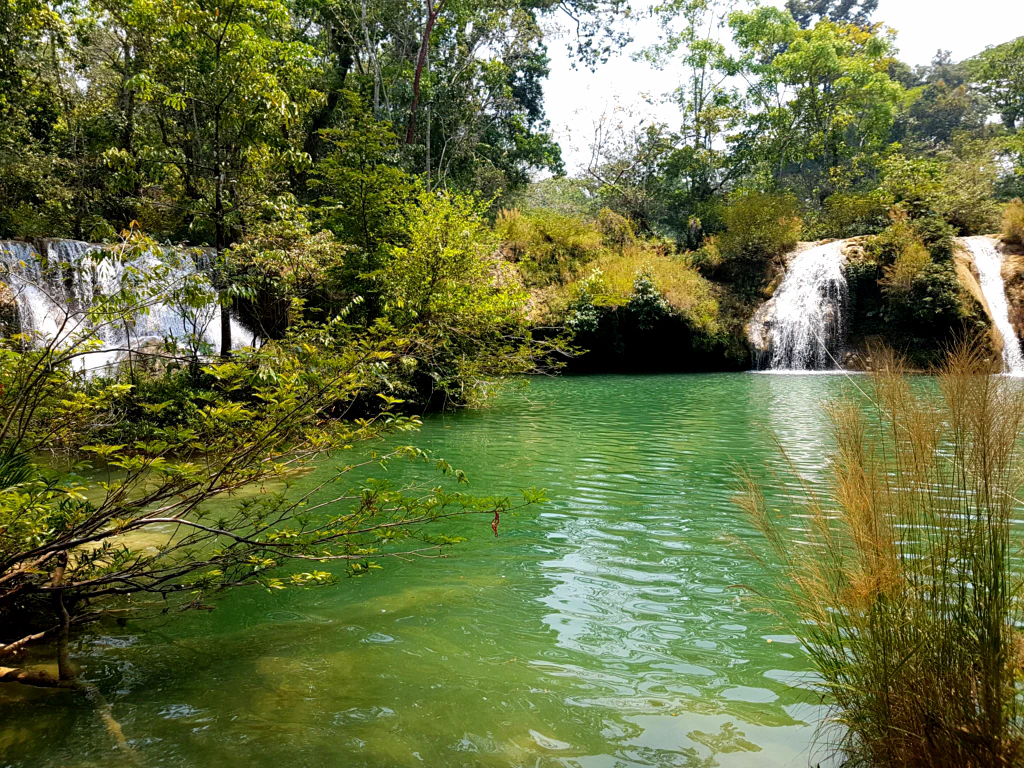
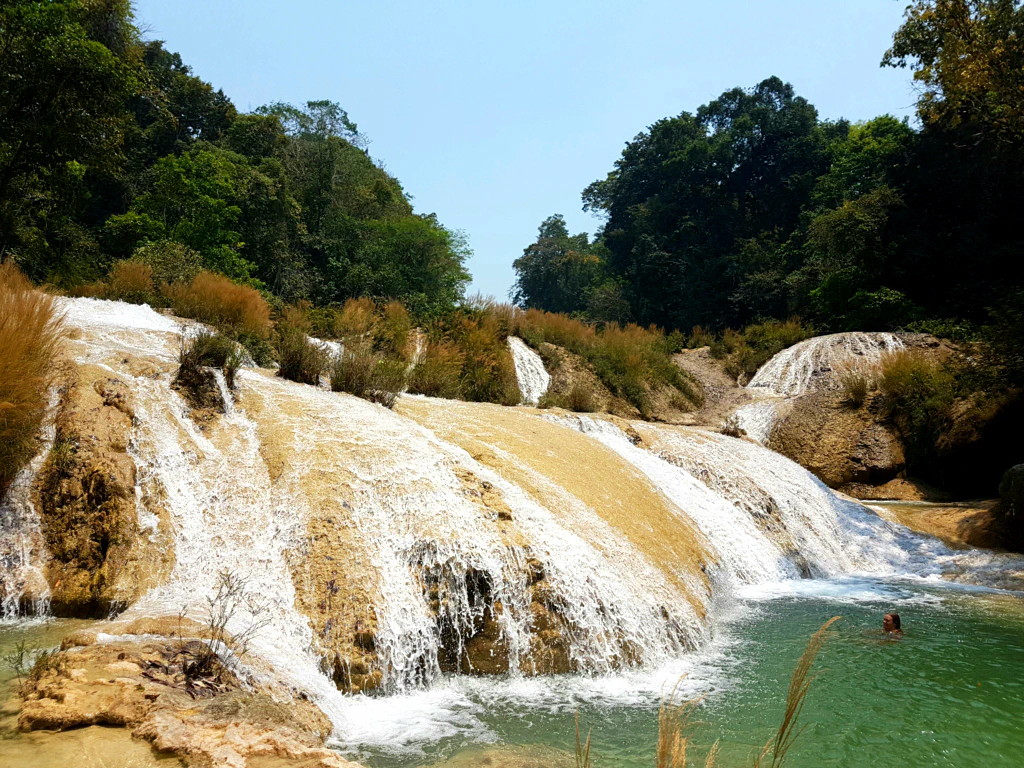
Apart from the people from our van there were barely any tourists there, mainly schoolchildren, some of whom swam in their clothes. Mexicans are a little prudish after all…
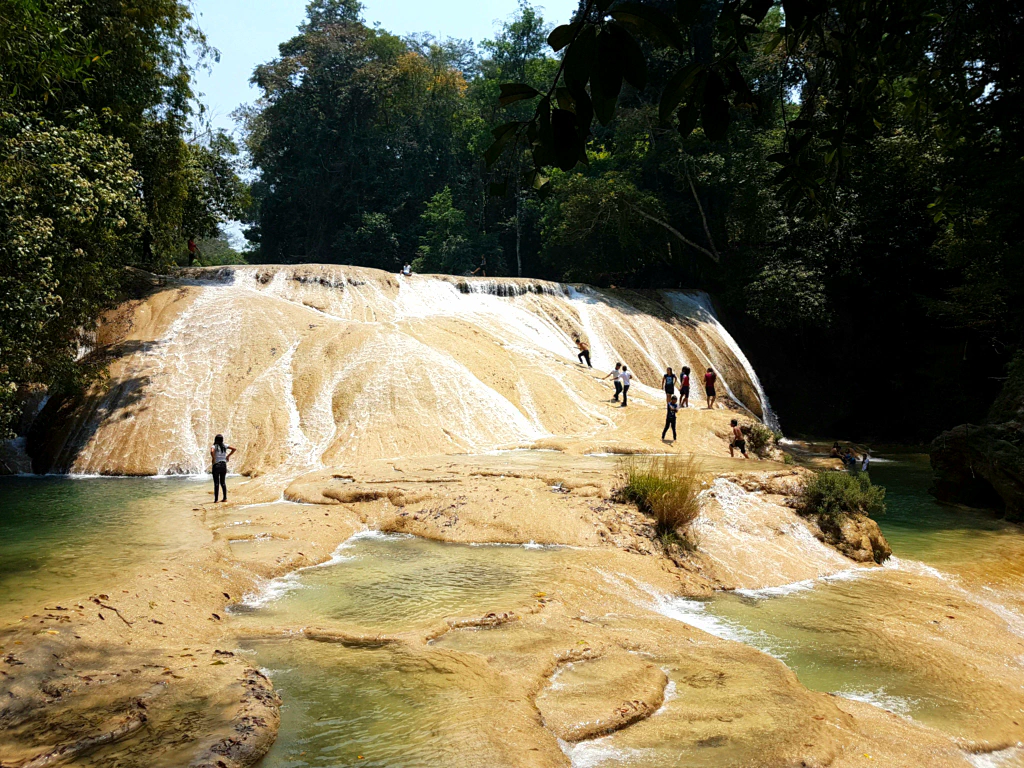
After a good hour of splashing and sunbathing we explored the area further and (almost) got lost doing so. The waterfalls and pools fanned out further and further until we came out at a little village where the locals even use the waterfalls to do their laundry.
After an almost sleepless night in our jungle accommodation (somehow the pleasant 25-degree outside temperature simply would not come into our room, so it stayed at what felt like 40 degrees in there, at least stirred back and forth by a fan…) and a howler monkey wake-up call (❤️), we were already back on the bus to our next destination: San Cristóbal de las Casas at a good 2000 m in the Sierra Madre. A forecast maximum of 25 degrees. Hooraaaay!
By the direct route that is barely 215 km, which takes 4.5 hours, though (since the road runs through the mountains). The buses take a route twice as long around the outside and need 8 hours. Although I do not know whether they do that because the mountain road is too narrow for the buses, or because the detour is more economical thanks to several towns along the way, or because they want to avoid the recurring road blockades by the Zapatistas in the Chiapas highlands.
At any rate we made it eventually and arrived in San Cristóbal de las Casas.
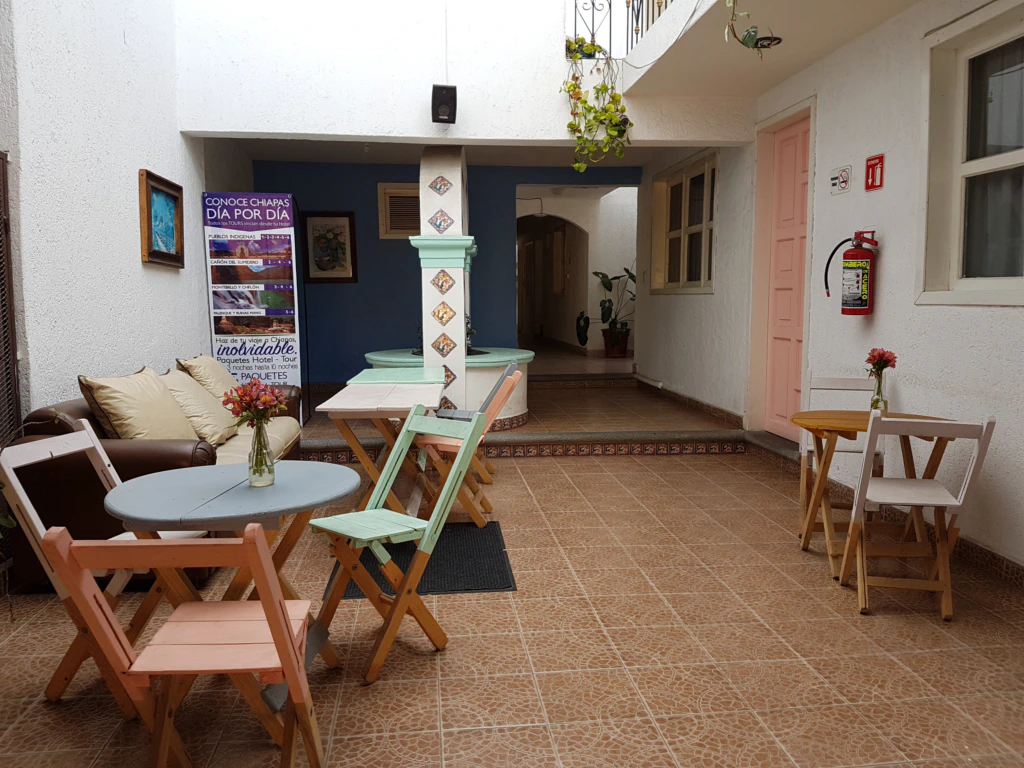
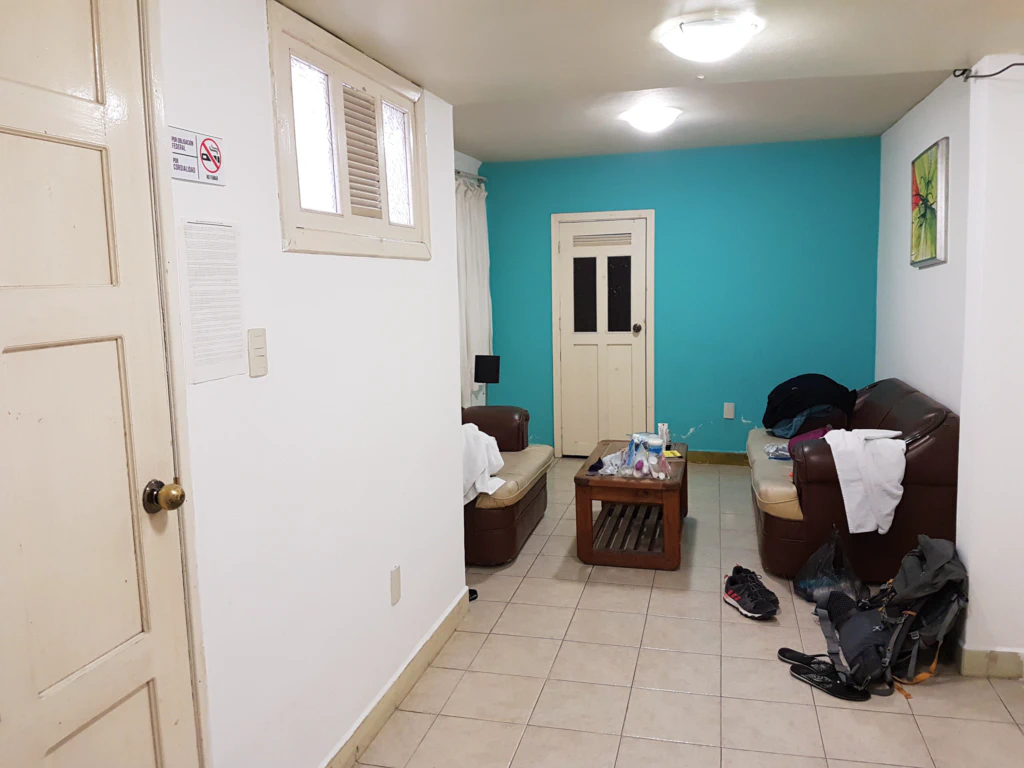
The first impression was not outstanding: our mood was already in the cellar from the long bus ride and did not lift in cold, rainy San Cristóbal. Our accommodation was more than sobering as well. Instead of being welcomed at a family-run BnB, reception knew nothing of our reservation. When we did get a room, there were hairs in the shower, the toilet seat would not stay up (no, that is not a luxury problem!) and the heating rattled in the corridor. We do not want to stay here for the three nights we reserved! So we tried to cancel the last two nights. Instead the receptionist offered us a different room. The king size room. In this category of accommodation, effectively the honeymoon suite. Fair enough, we can give it a try.
The following day quickly showed: we had passed our first judgement on San Cristóbal too hastily! The city is wonderful! The most interesting city we have been to in Mexico so far. There is good reason why a - let us call it - hippie culture has developed here. Organic coffee and chocolate from Chiapas are the city’s number 1 calling cards, offered to you in sweet shops and cafés. Alongside them, numerous little craft shops. And everywhere there are flyers for yoga retreats, massage workshops and so on. ❤️❤️❤️
As always pictures say more than a thousand words, so let me take you along on our walk through the city:
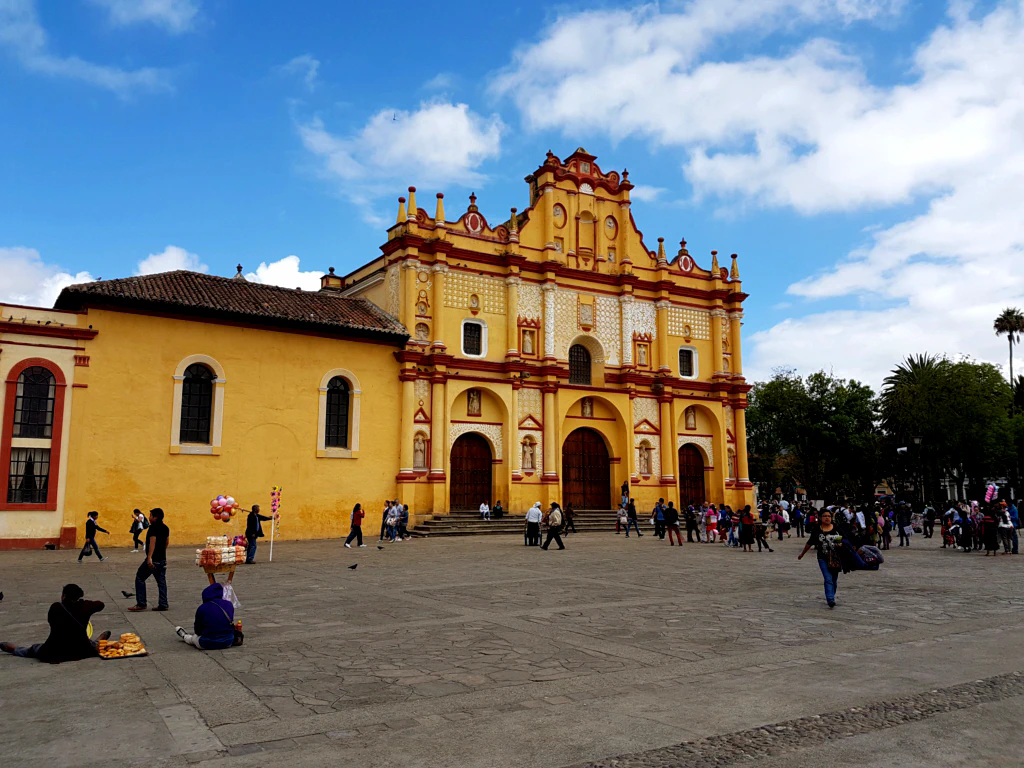
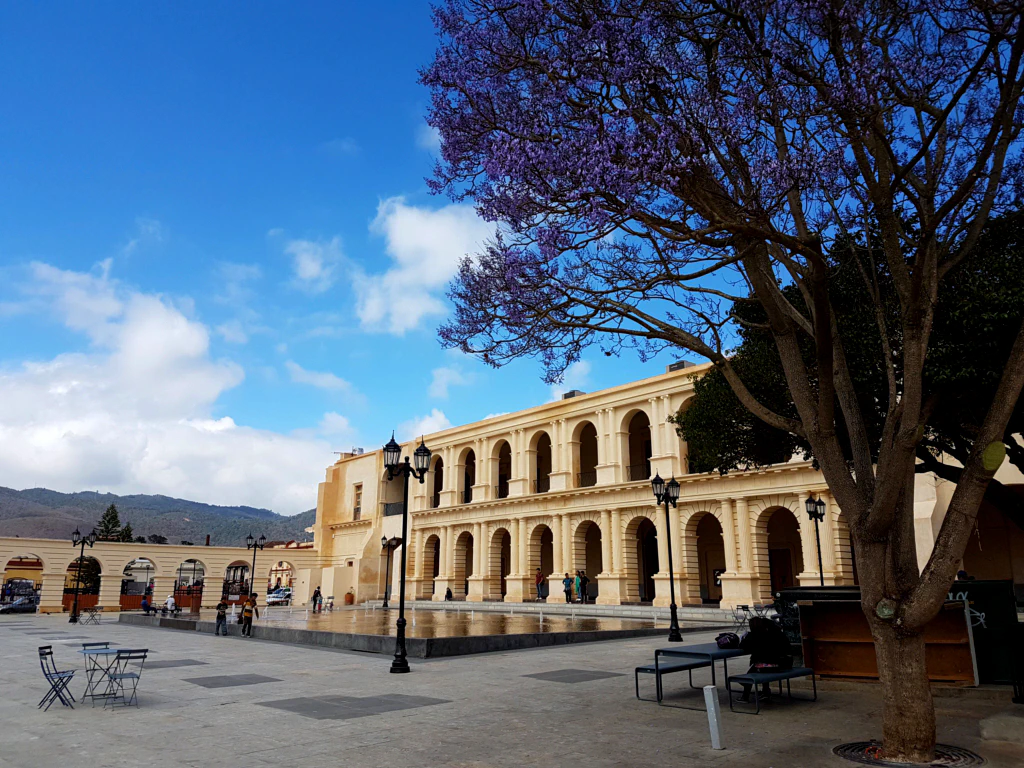
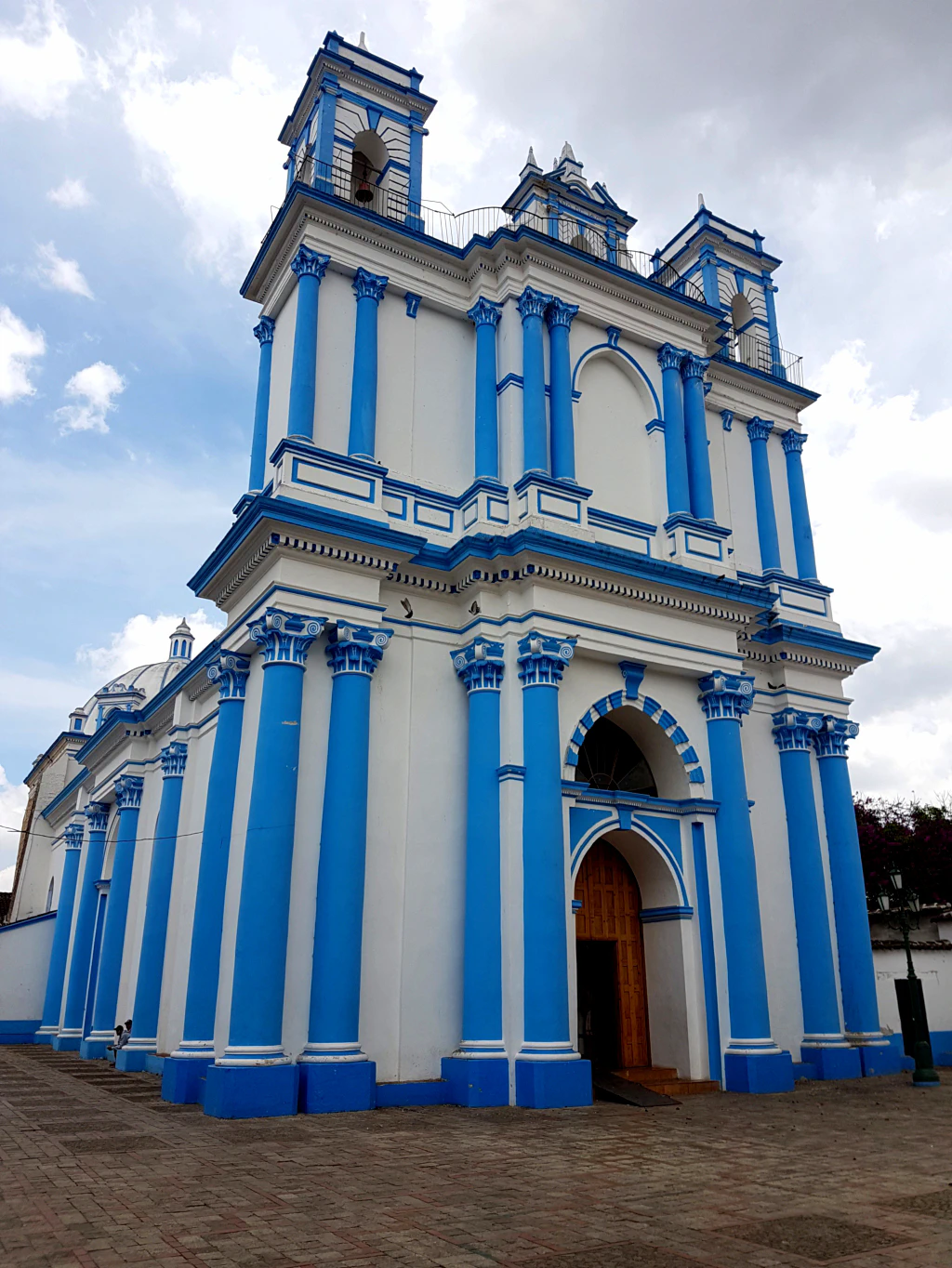
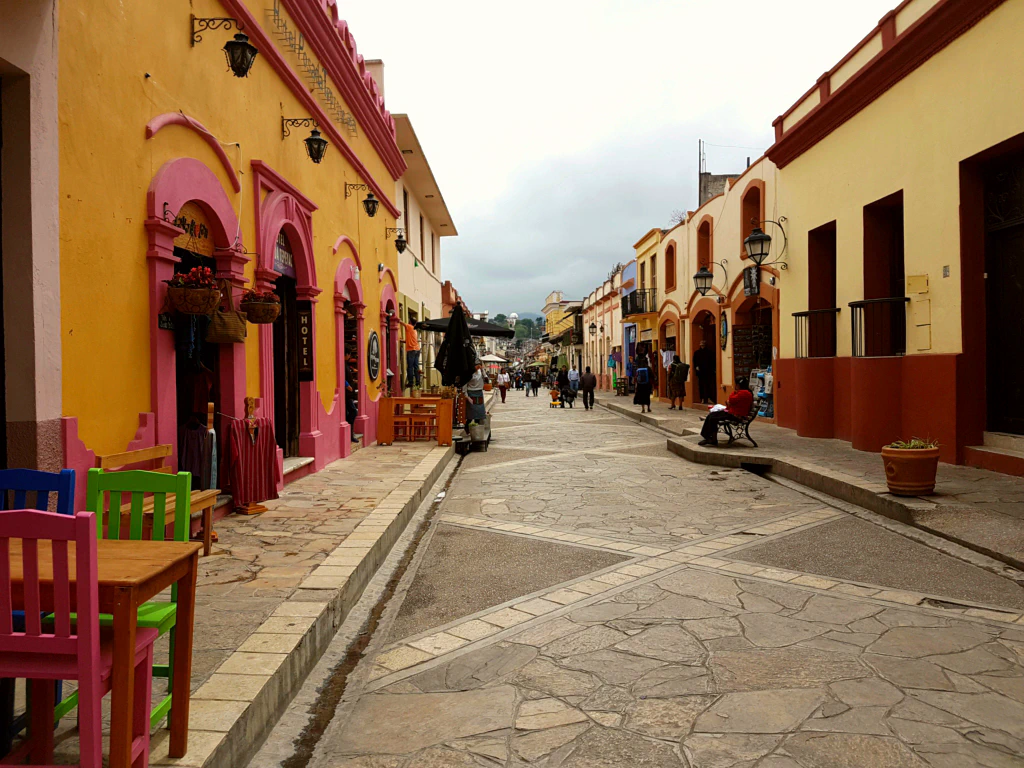
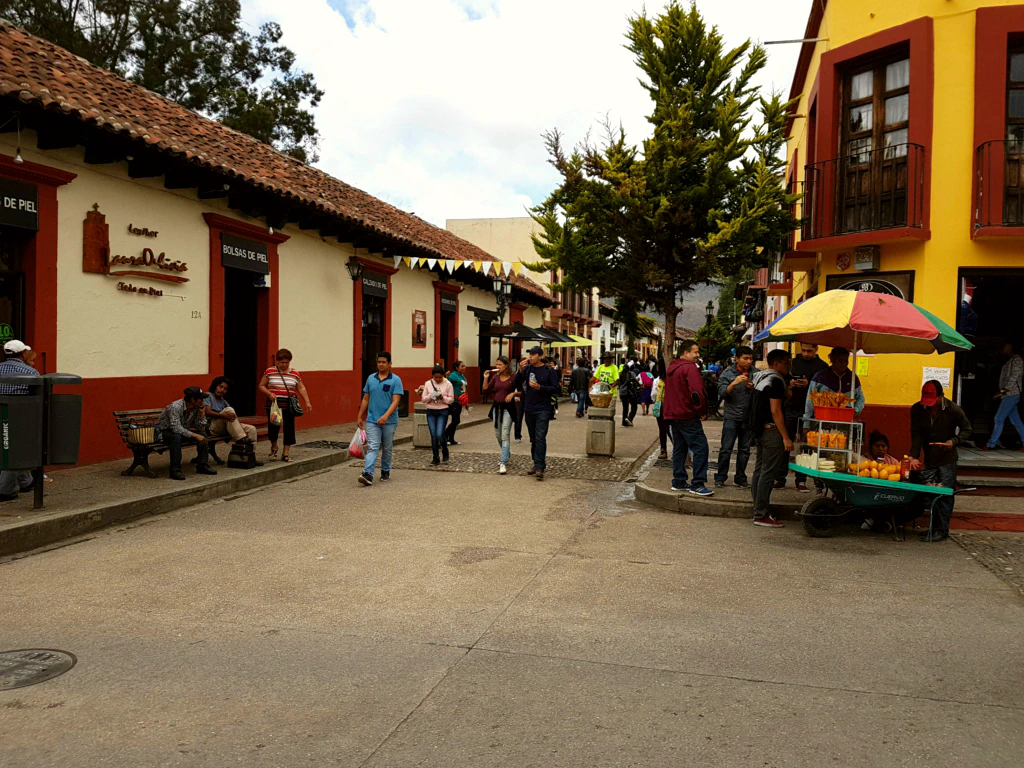
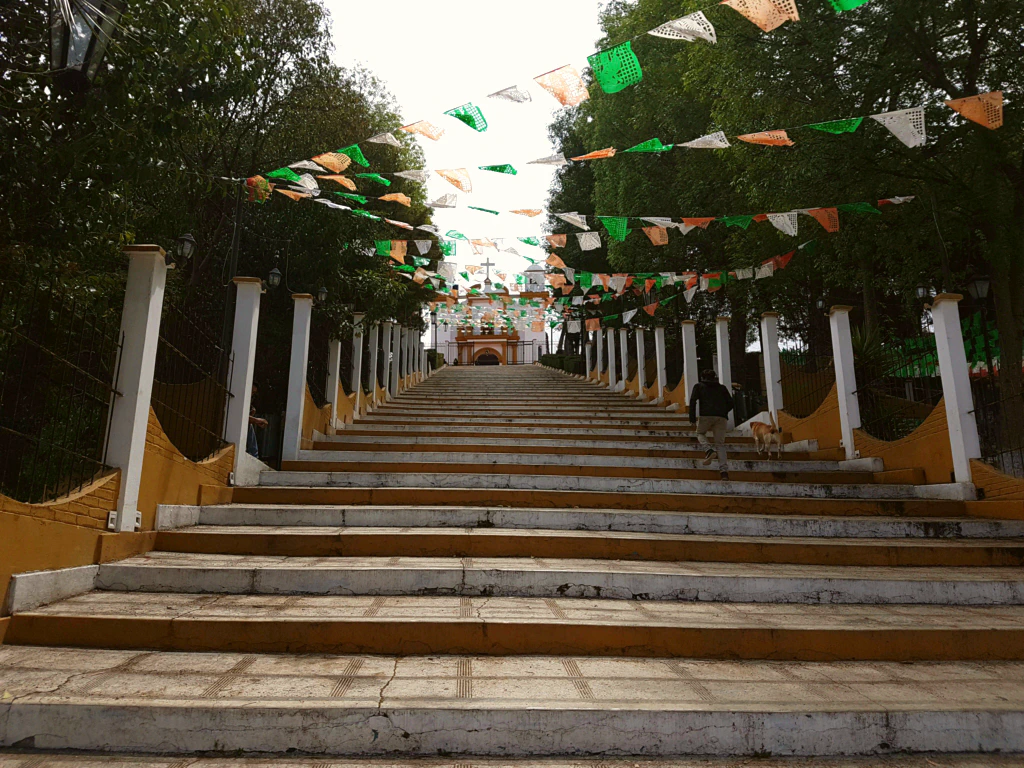
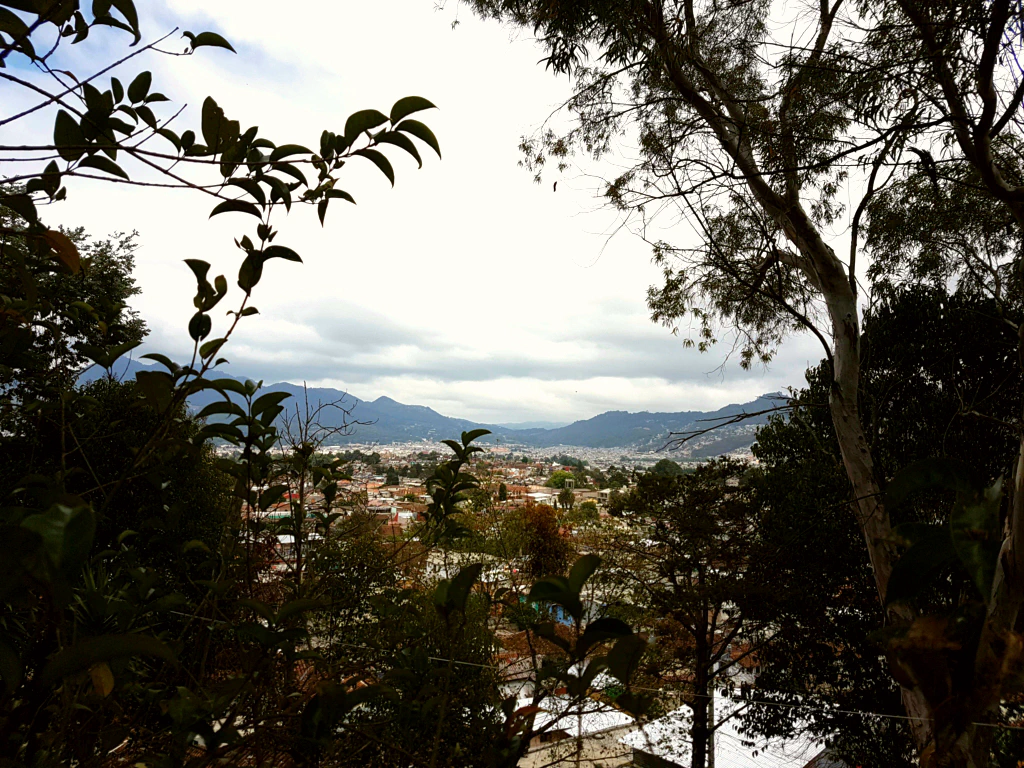
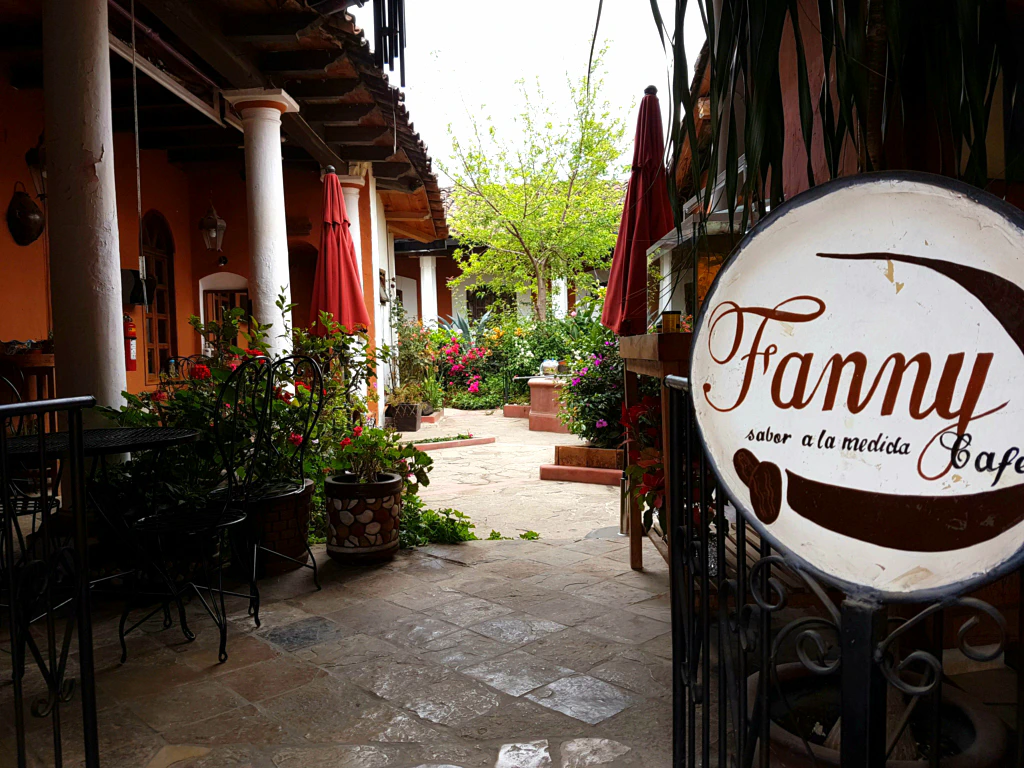
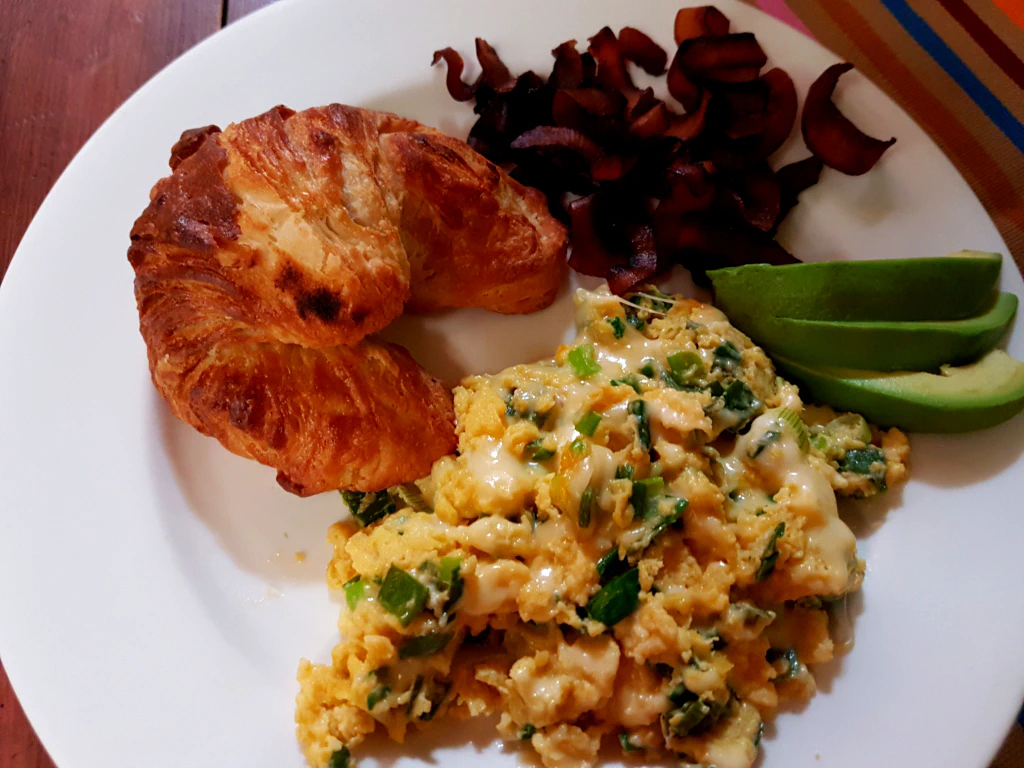
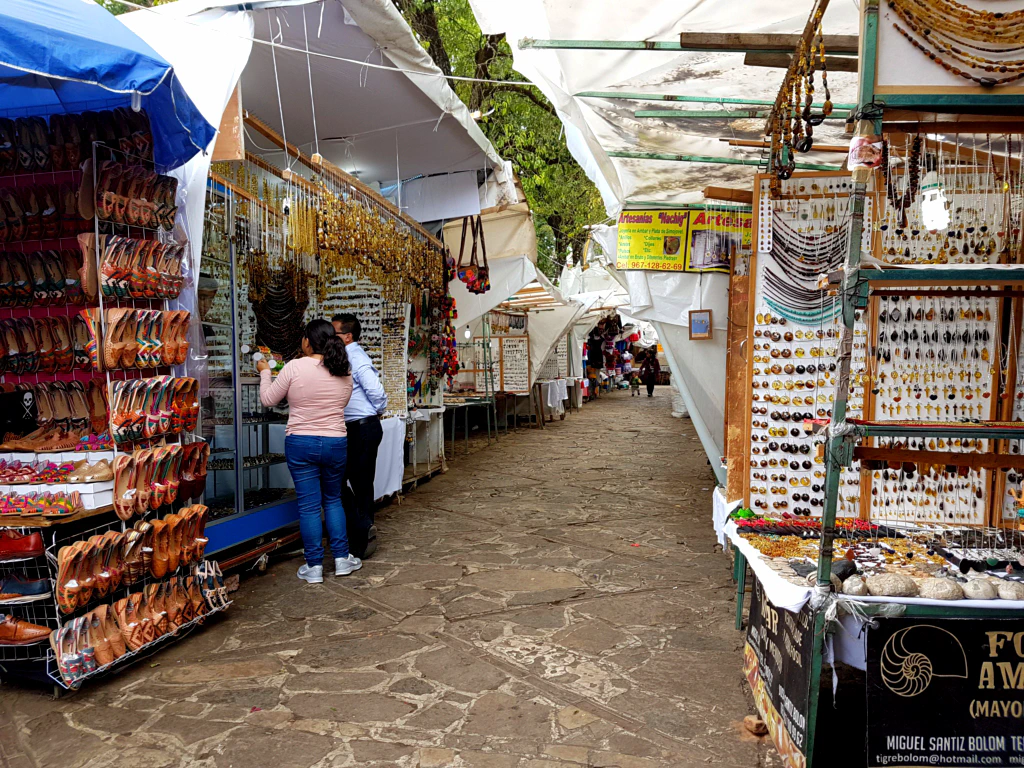
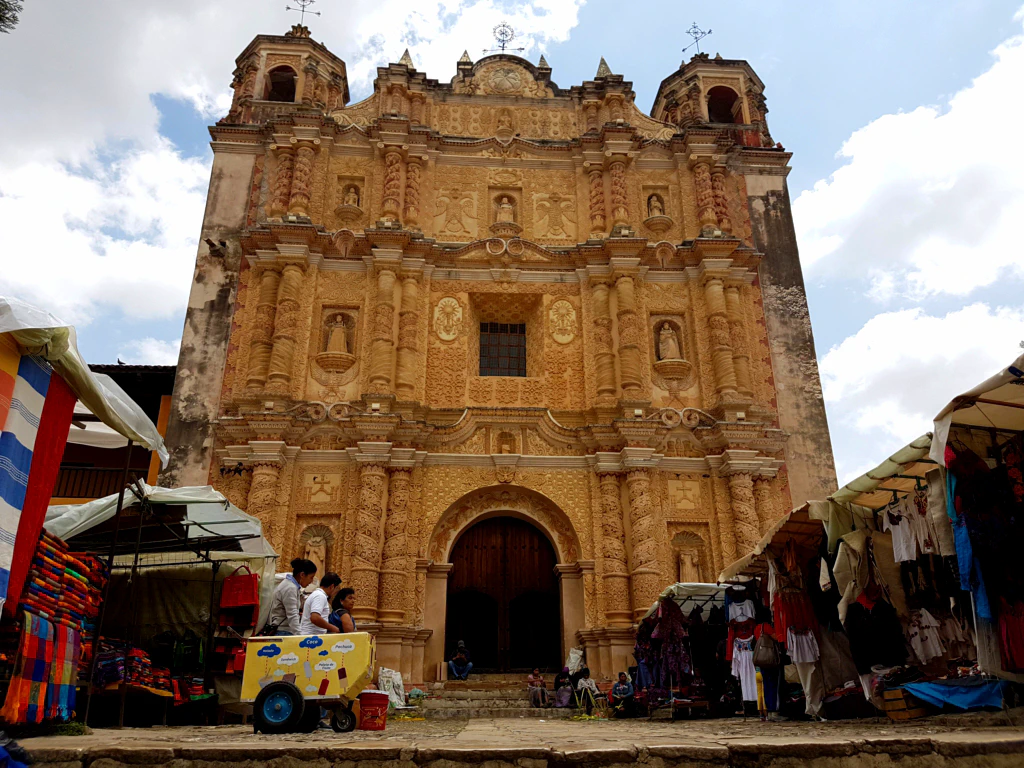
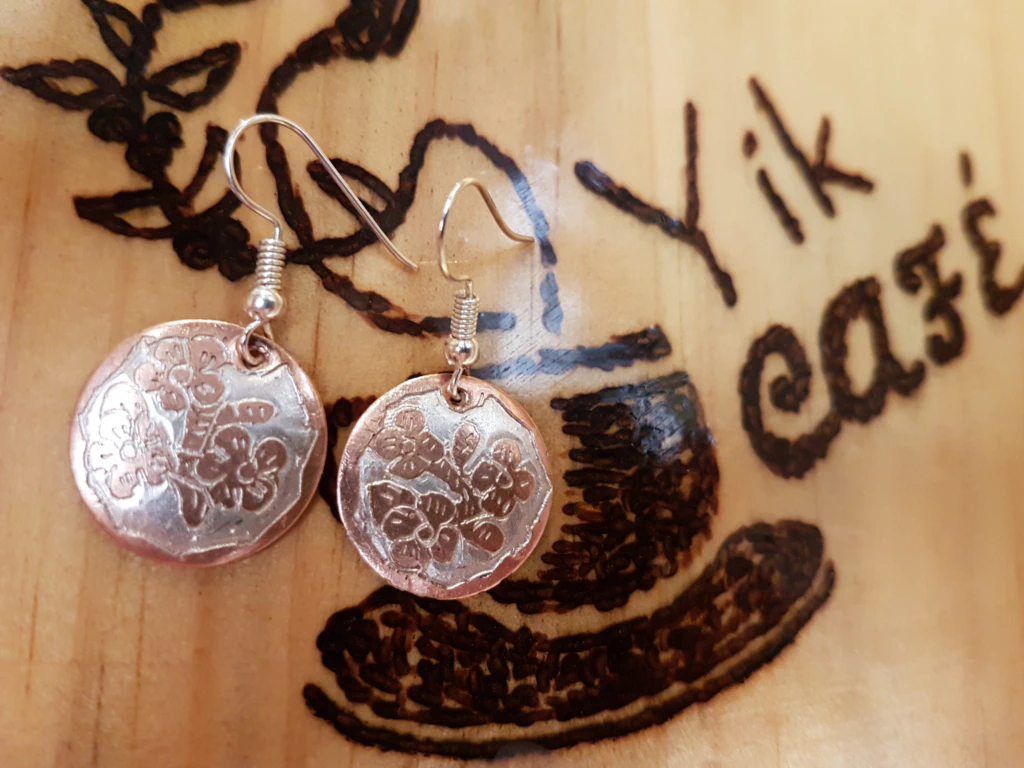
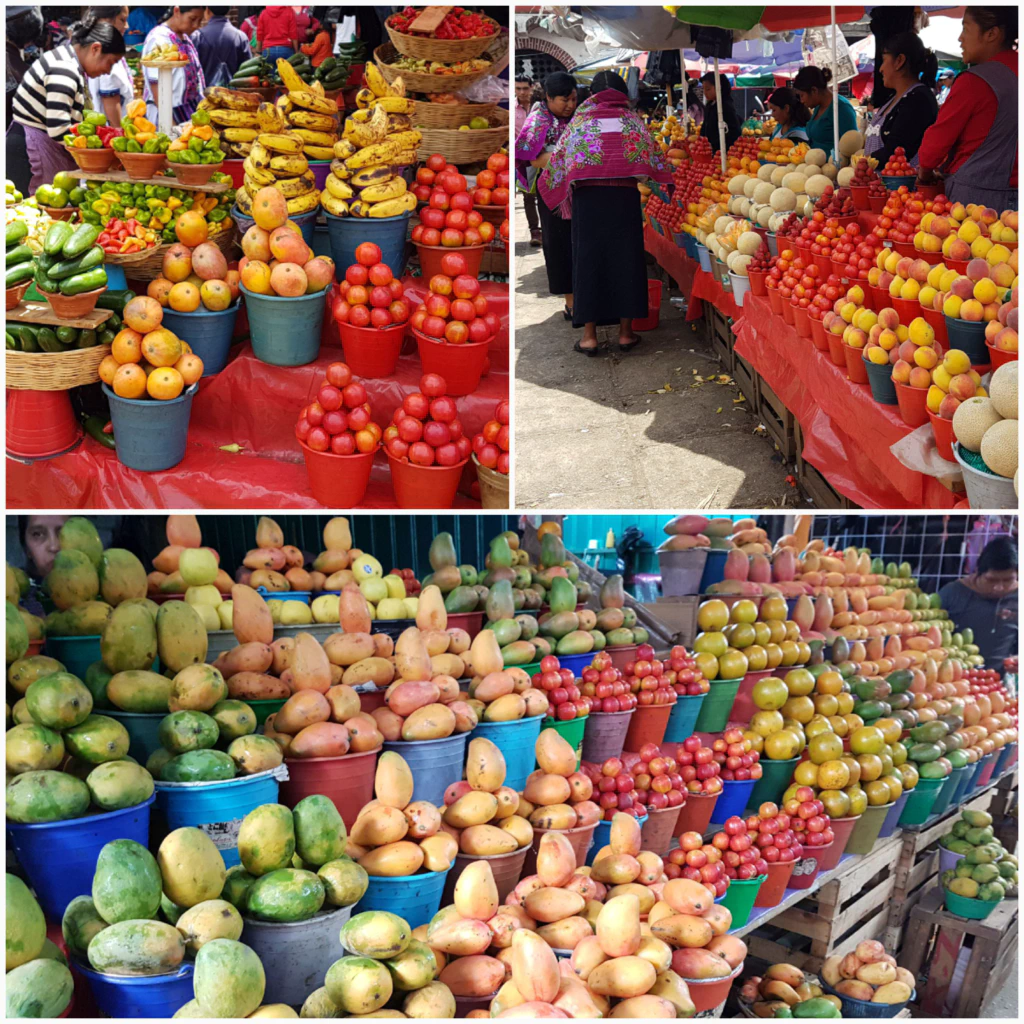
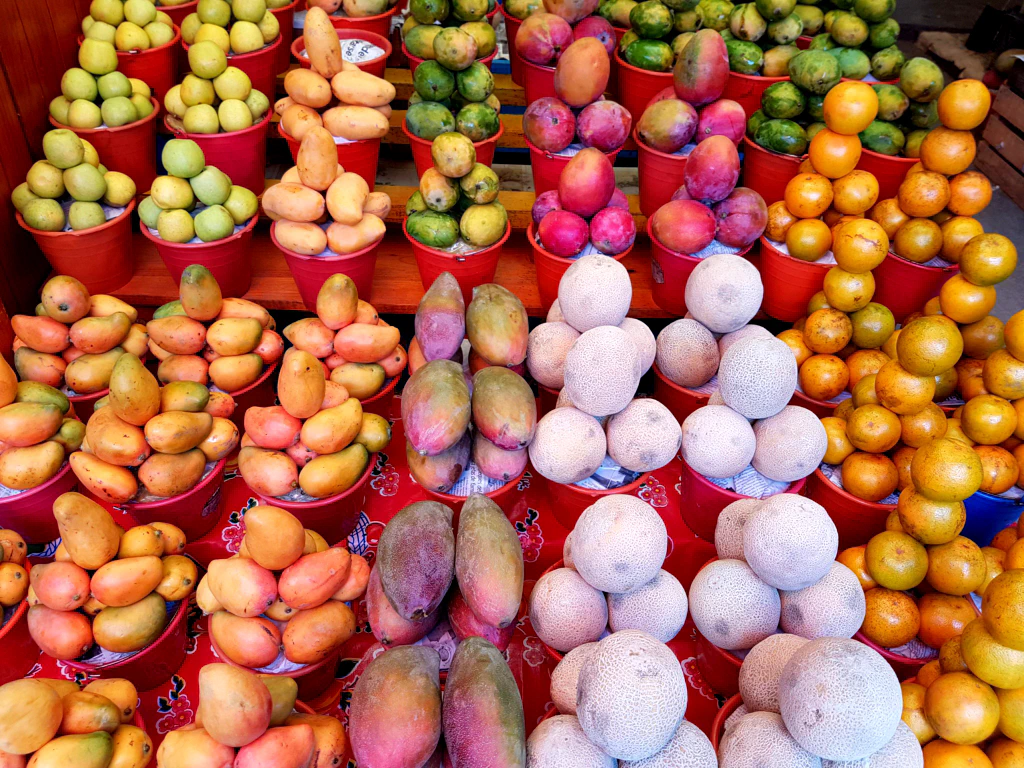
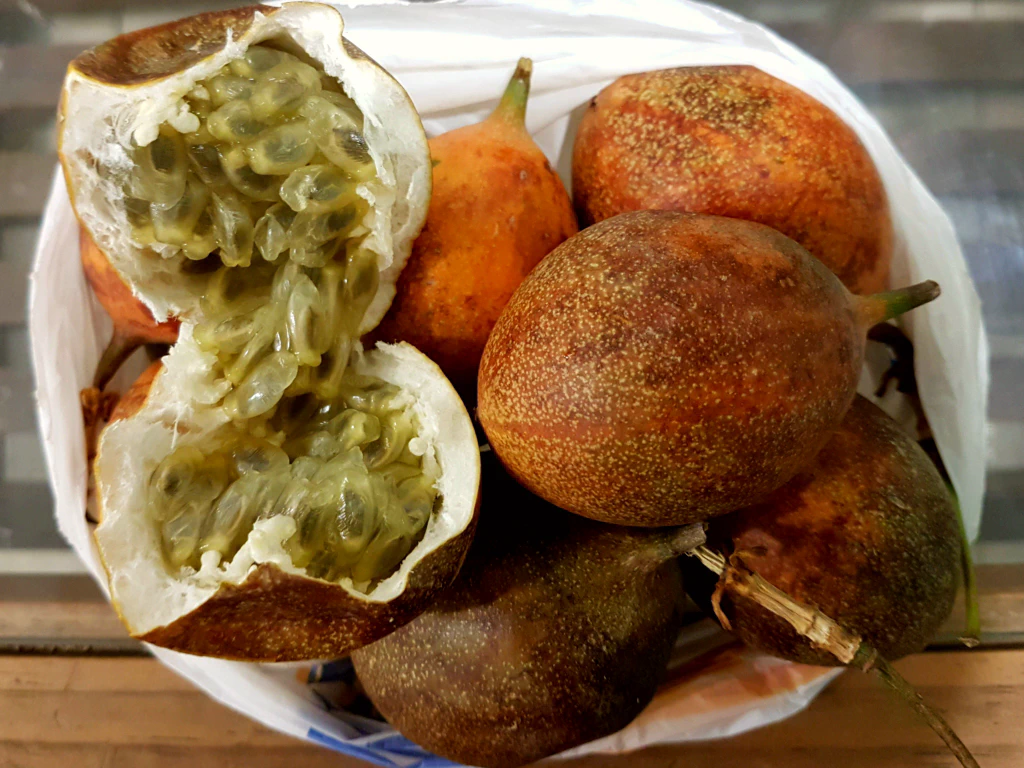
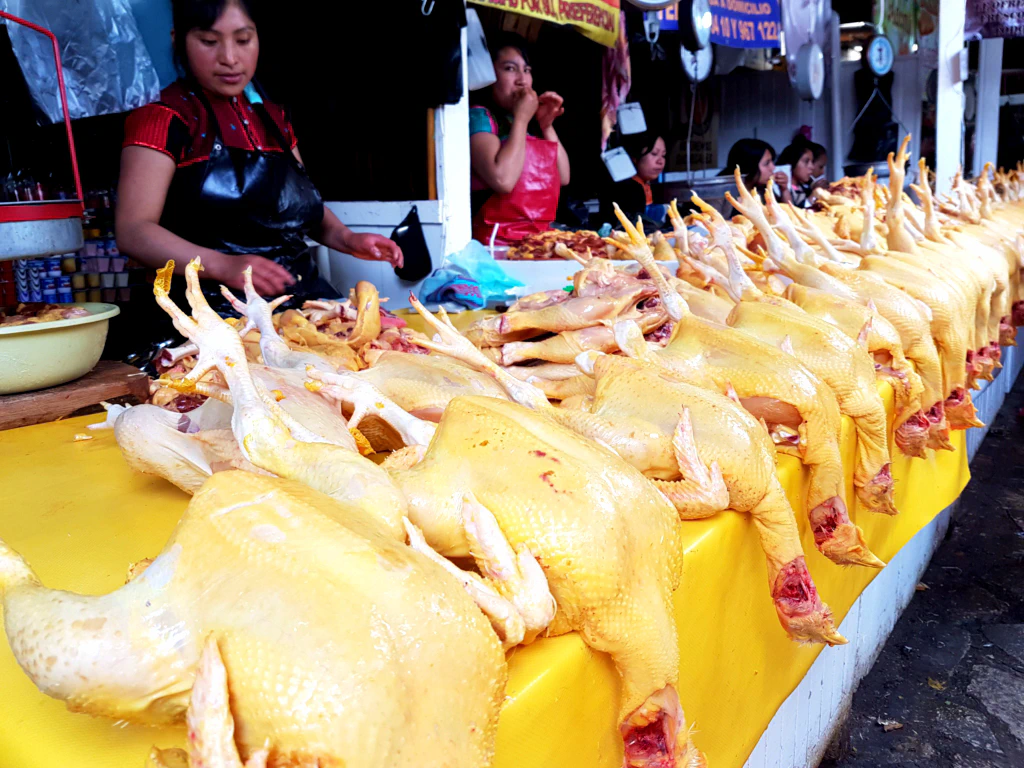
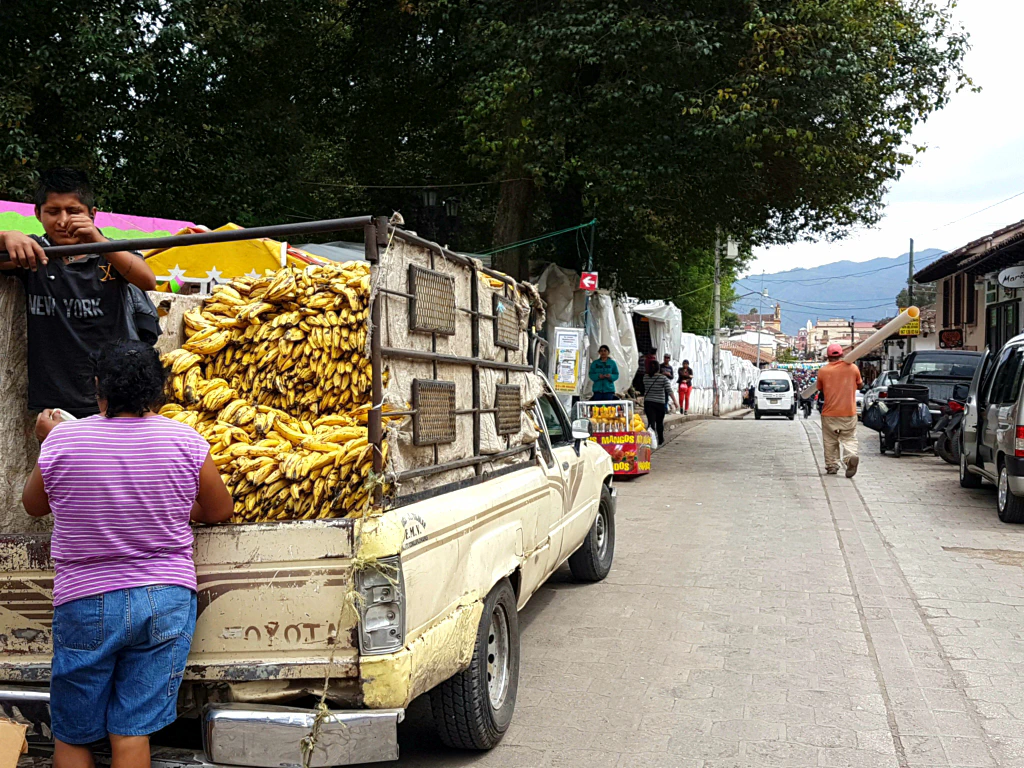
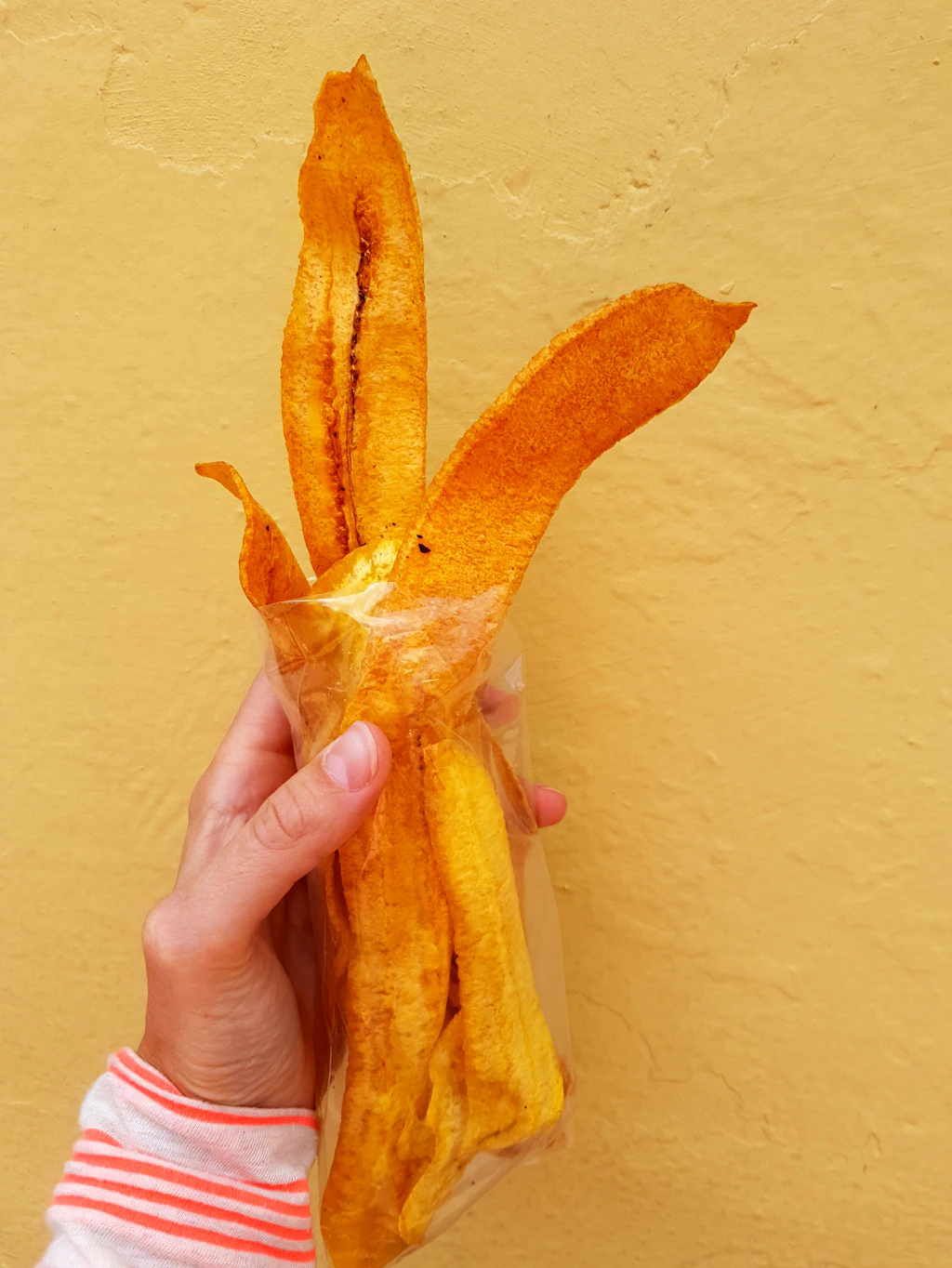
As numerous as the feasts for the eye are, sadly there are shadows too. Chiapas is Mexico’s poorest state and that shows most clearly in the region’s most touristy city. At first we were still joking that there are surprisingly few overweight Mexicans here (Mexico is the most overweight country in the world!). But poverty is of course anything but a joking matter… In San Cristóbal many children try to sell their goods in the street. They are barely of school age, or are of school age without going to school… In restaurants too, especially in the evenings, it happens around ten times an hour that children come in wanting to sell you something…
That said, I do not want to presume to pass judgement on the region’s problems, nor does my description do the situation adequate justice. I think it is important to mention it, though, because the city’s lovely appearance sadly has a sad aftertaste…
San Cristóbal de las Casas offers heaps of opportunities for trips into the Mexican highlands of the Sierra Madre. For us it was to be a mountain bike tour to two mountain villages of the Tzotzil people. These are indigenous Mexicans and descendants of the Maya culture. Here 50 per cent of people speak no Spanish, only the indigenous Tzotzil language. Among the children it is even 80 per cent.
I had read in the TripAdvisor reviews that it is supposed to be a fairly strenuous tour, especially since the air at over 2000 m really is a bit thinner. But did we not walk through the New Zealand Alps only five weeks ago? Surely that has to be enough training!
Er, no. Sadly not much of that fitness is left… even the first longer climb forced me to get off and push… Once that was done, our guide said it was only a bit of flat now and then downhill. As far as our first stop at least - the little village of Chamula. There is a church there that everybody says is a unique experience. And since you may not take photos inside, you really do have to have been there to picture it. For once Jan’s argument of ‘I can watch that on YouTube’ did not apply.
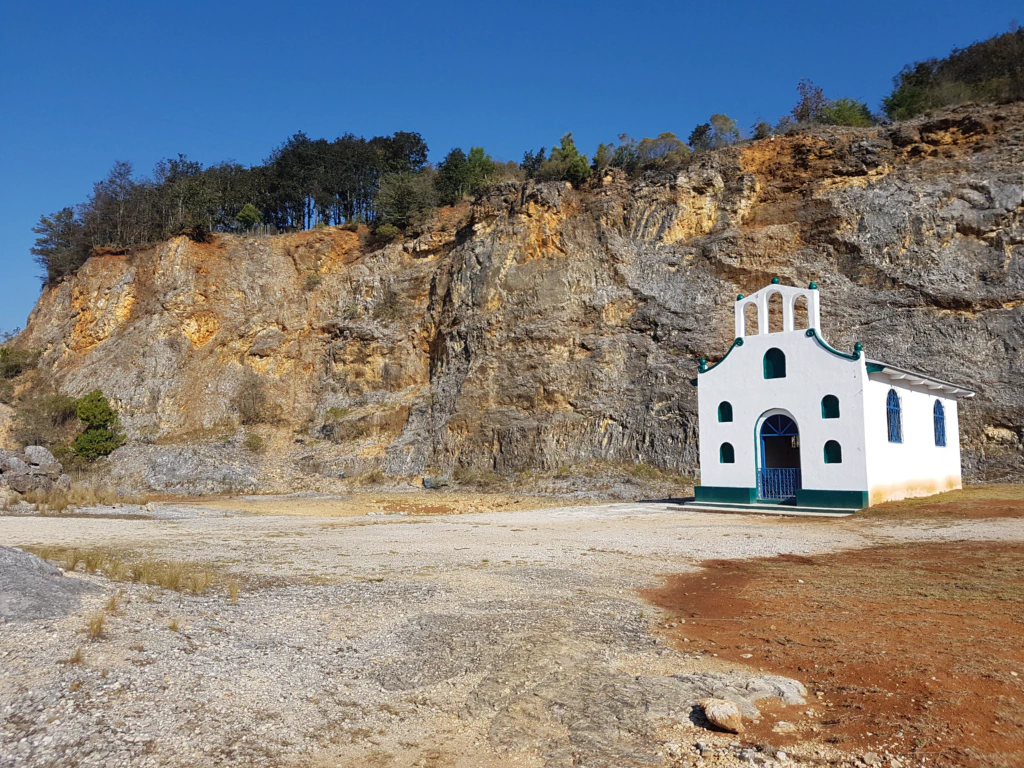
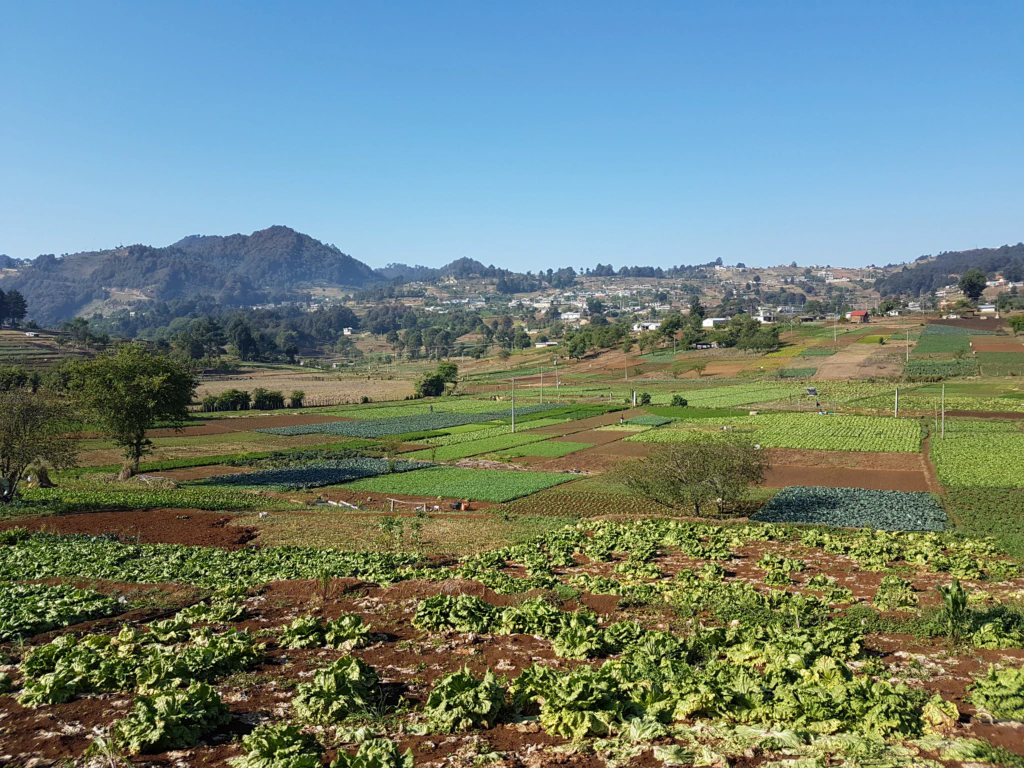
When we arrived, though, a ‘cleaning crew’ was at work in and around the church, sweeping whole floods of water out of it. That happens exactly once a year. Namely right before Semana Santa, the week before Easter, which began the next day. Bad timing.
But they would be finished in 5 minutes. Mexican 5 minutes… In this case an hour of waiting. For… nothing! Because normally the floor is covered in spruce needles, everything full of candles and incense and so on and so forth. The cleaning crew had swept all of that away too, so in the end there was a perfectly ordinary church to admire…
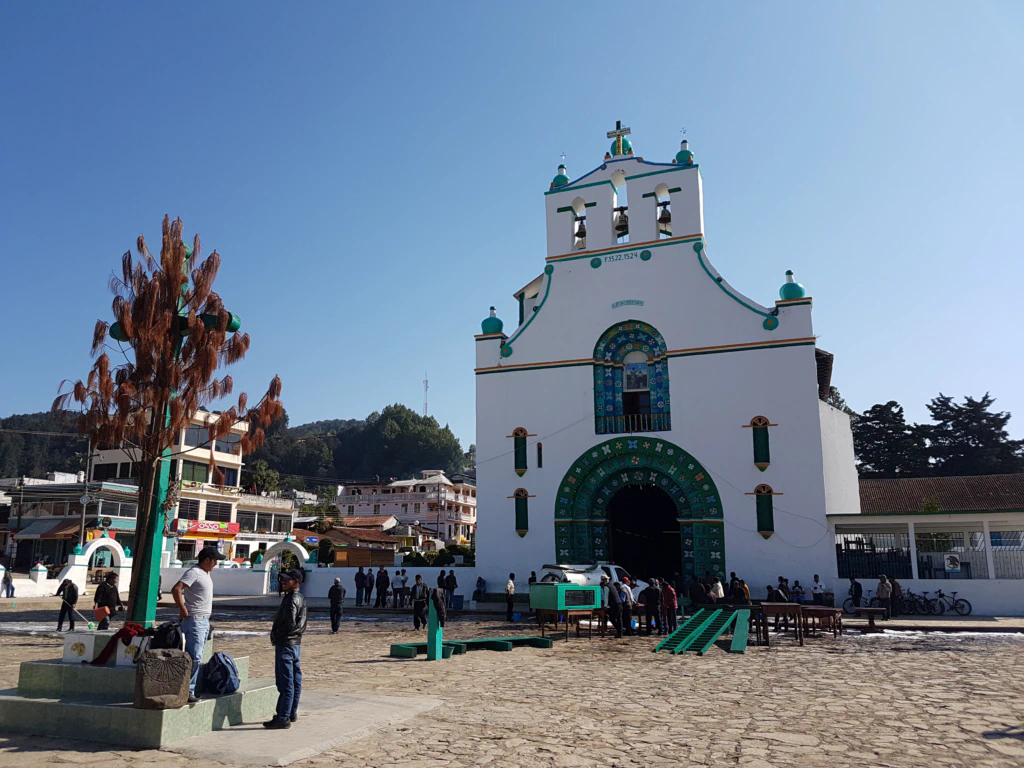
So we got back on our bikes to the next mountain village: Zinacantán. One stretch was so steep it felt like 90 degrees. Downhill mountain biking definitely suits me better than riding uphill. It slowly dawned on me why there are barely any providers of mountain bike trips in San Cristóbal. Who would voluntarily put themselves through this?
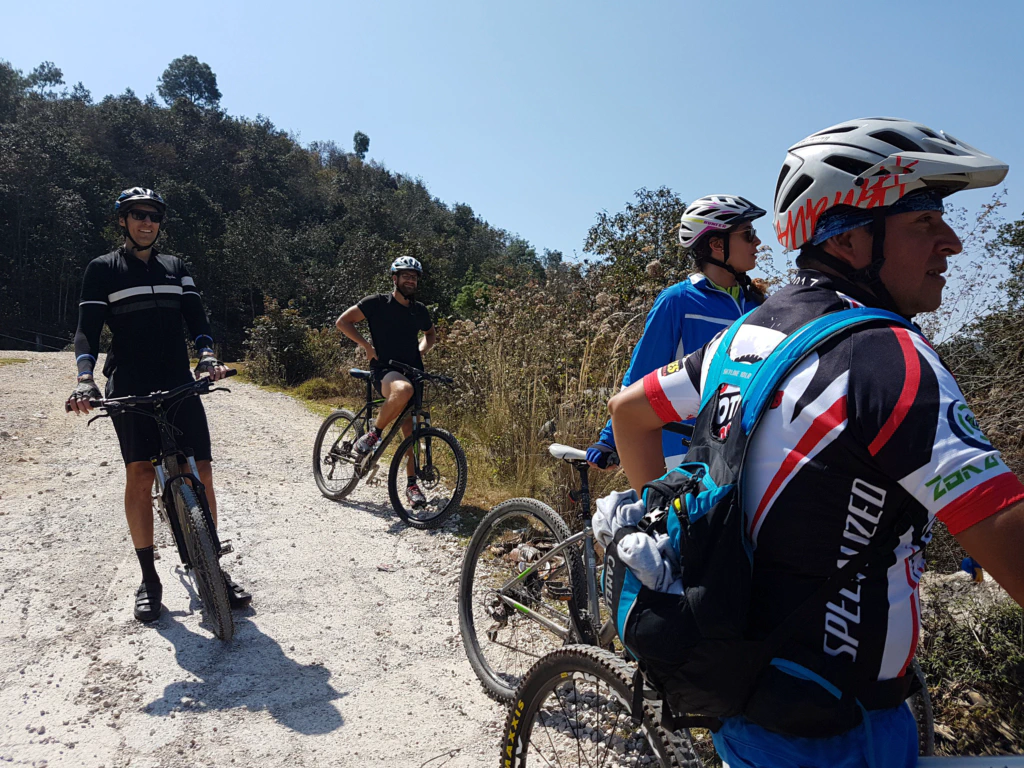
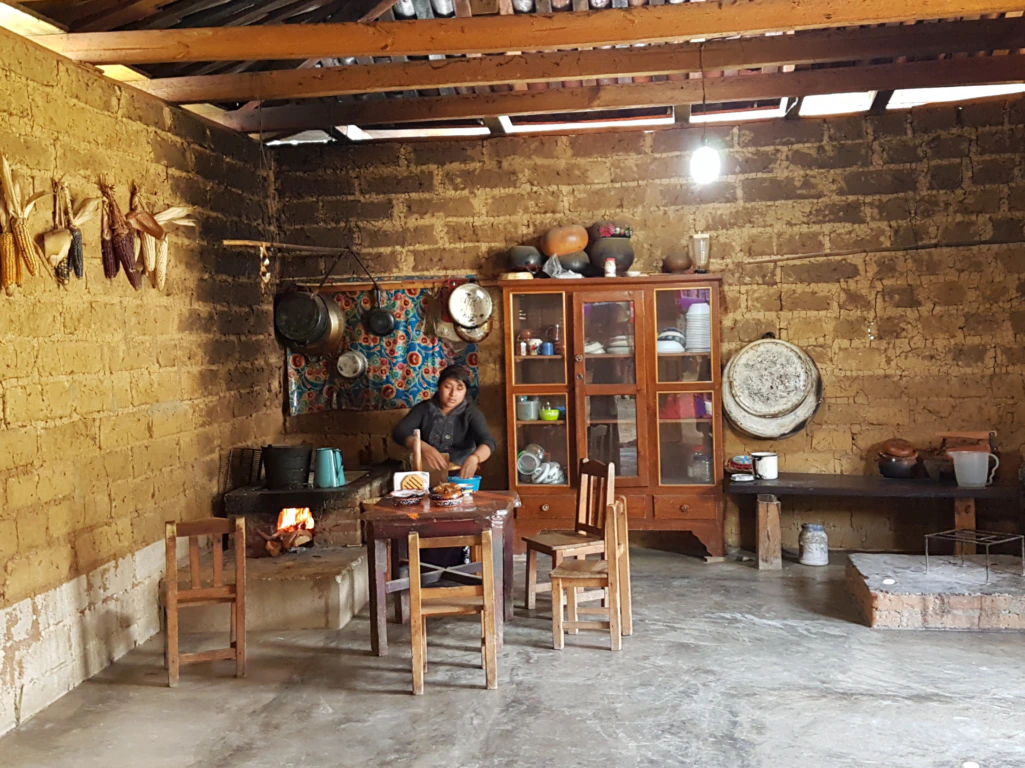
But soon the second third of our tour was done as well and we called in at a family in Zinacantán who make all sorts of clothing, cloths and so on using traditional weaving techniques. We were allowed to try on the traditional clothing, to which I also coerced Jan.
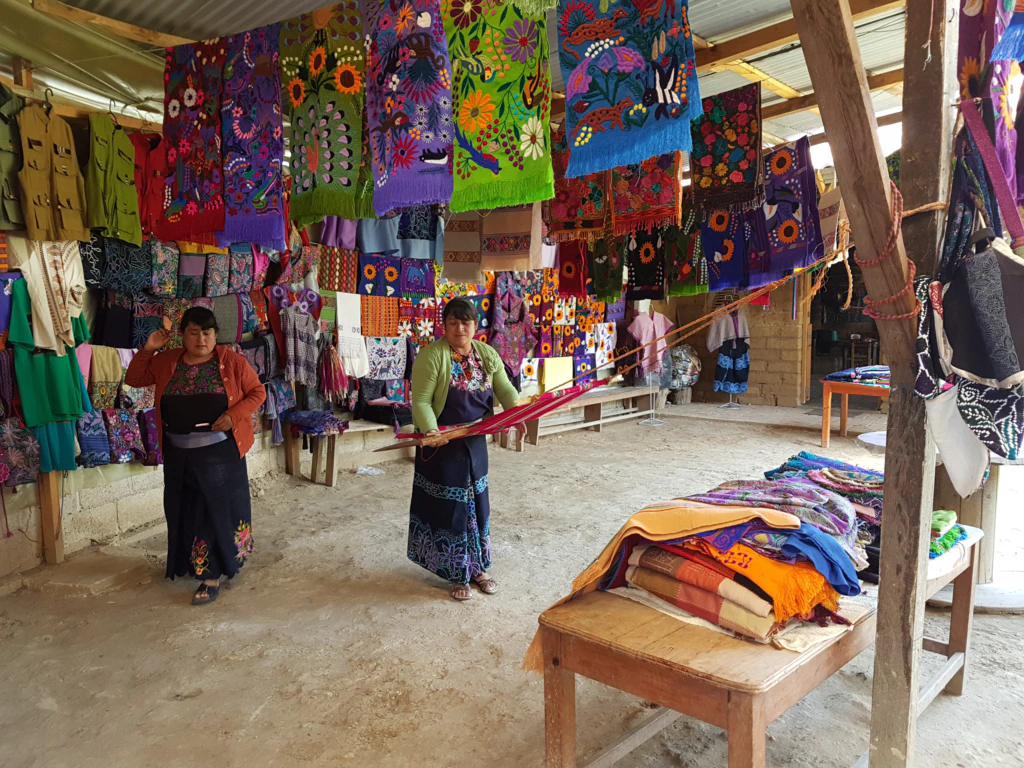
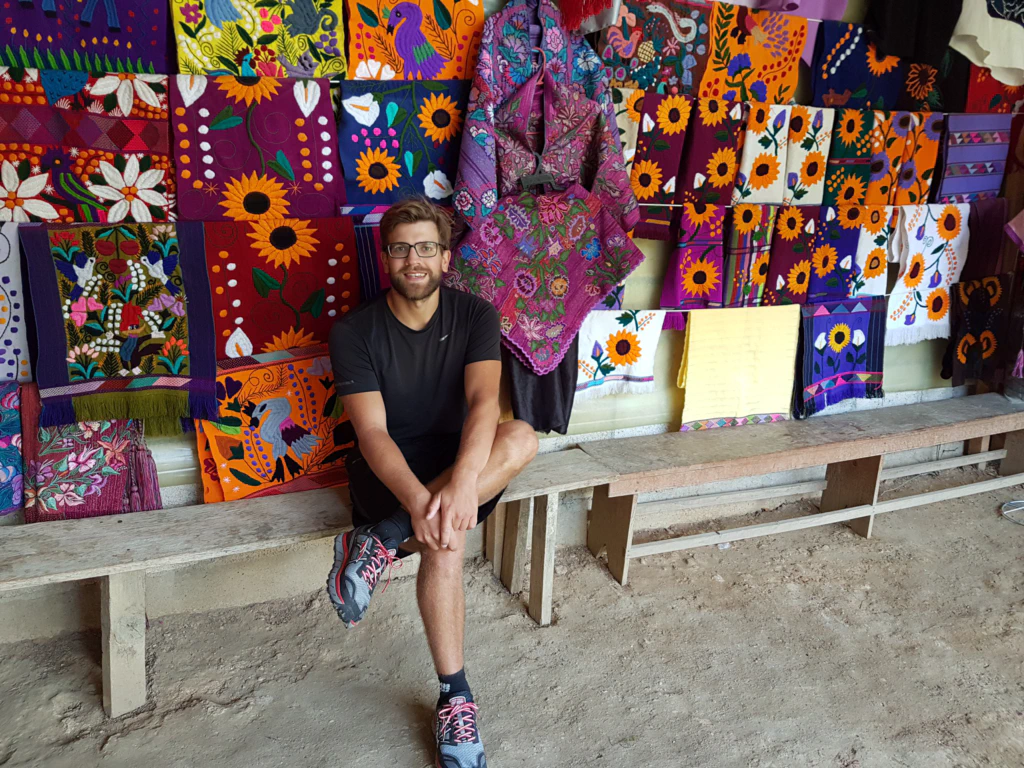
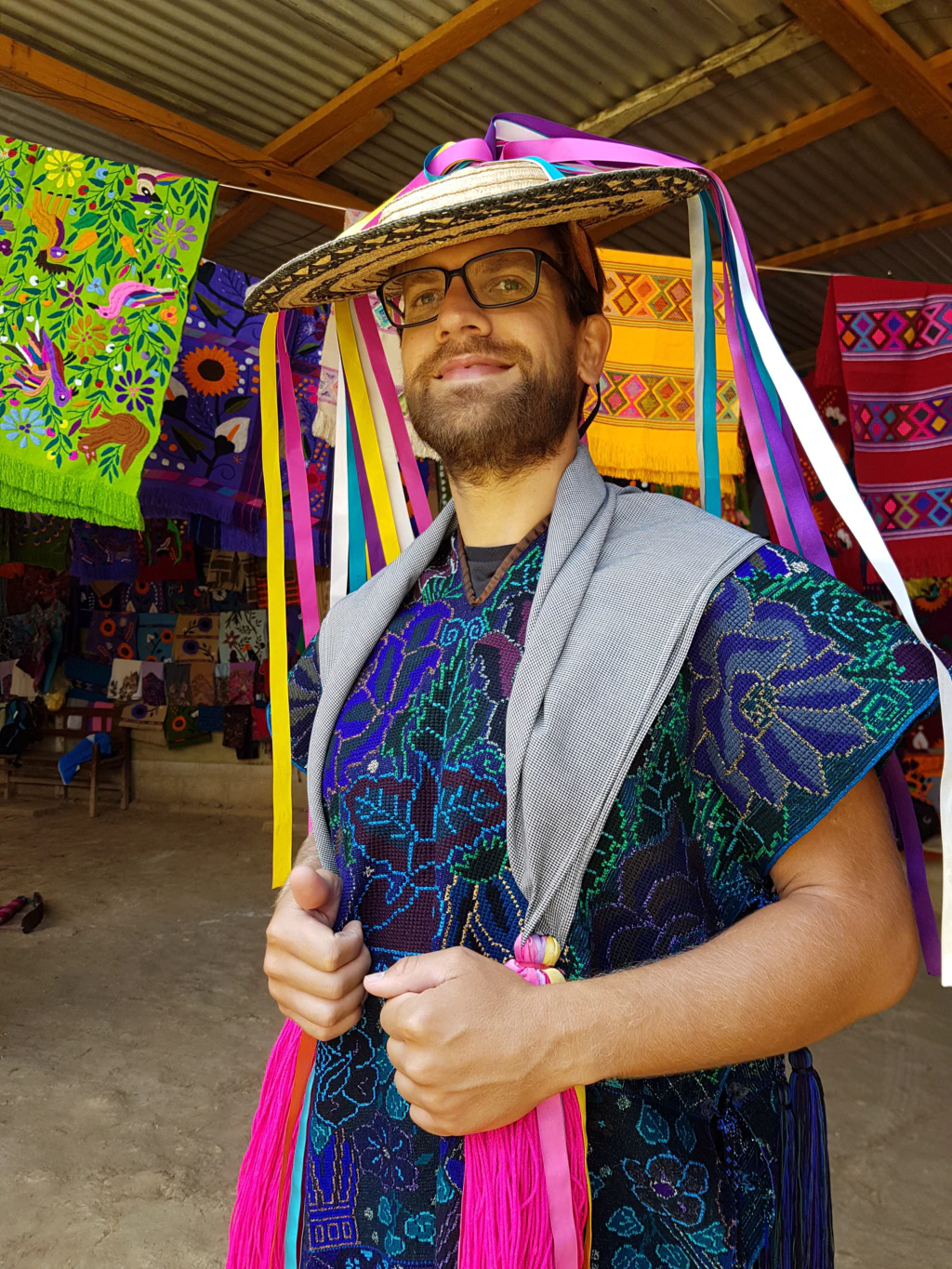
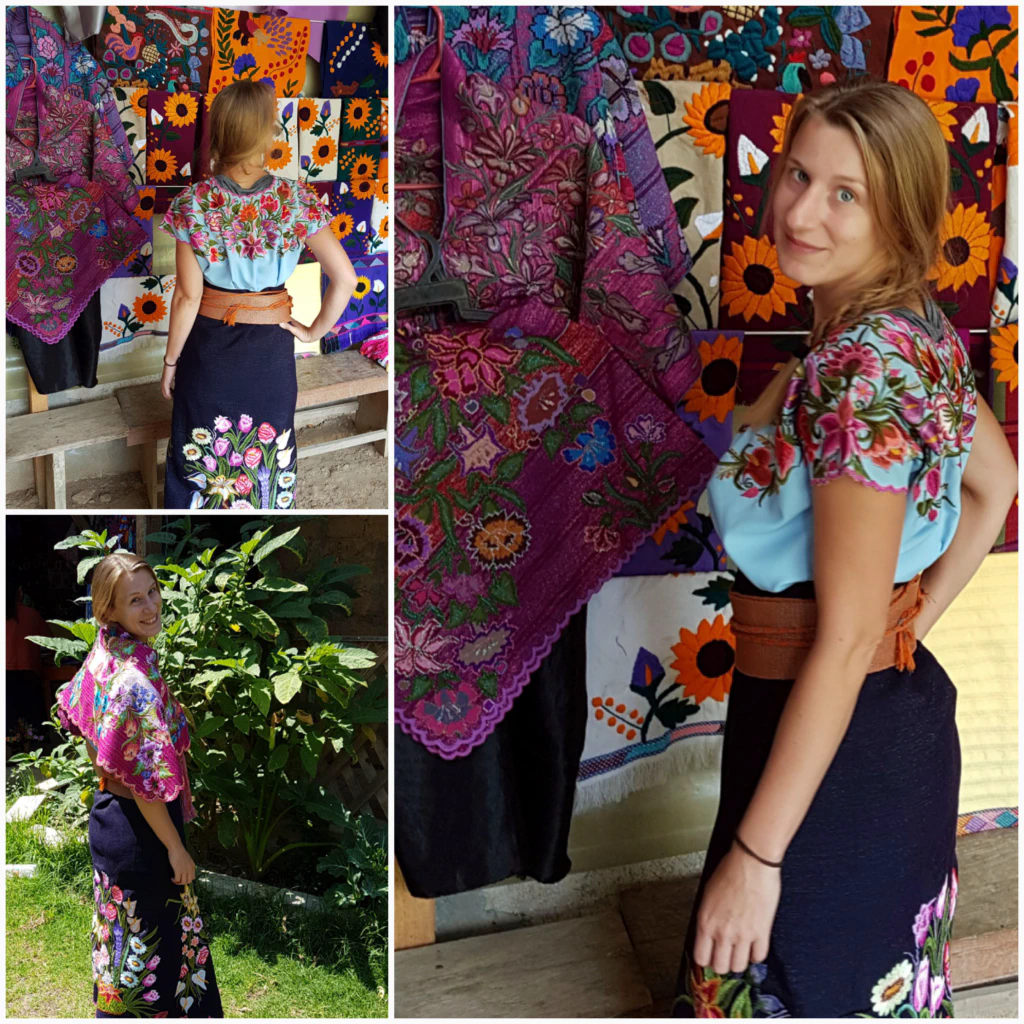
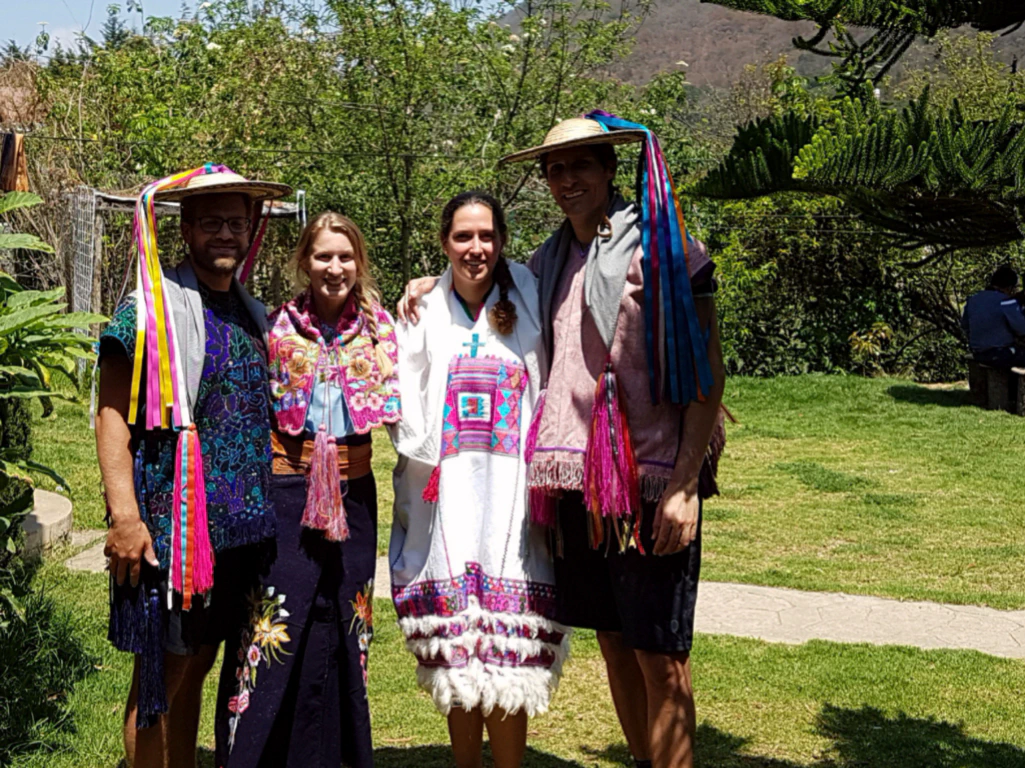
Although the clothing suited the two lads impeccably, oddly enough it was only us two girls who haggled over a few new rags.
We sat together over a few homemade tacos before starting the final 12 km, of which only the very last stretch went downhill. But at least that part was fun.
In the evening we took the night bus to our next destination: Oaxaca. 12 hours for 430 km…