I never found it. But it must exist somewhere. That one packing list every traveller to Iceland apparently follows: a DSLR, a wind-proof tripod and the polar expedition jacket by Jack Wolfskin. Anyone who really wants to play it safe throws in the full ski suit as well.
Jan’s comment on that:
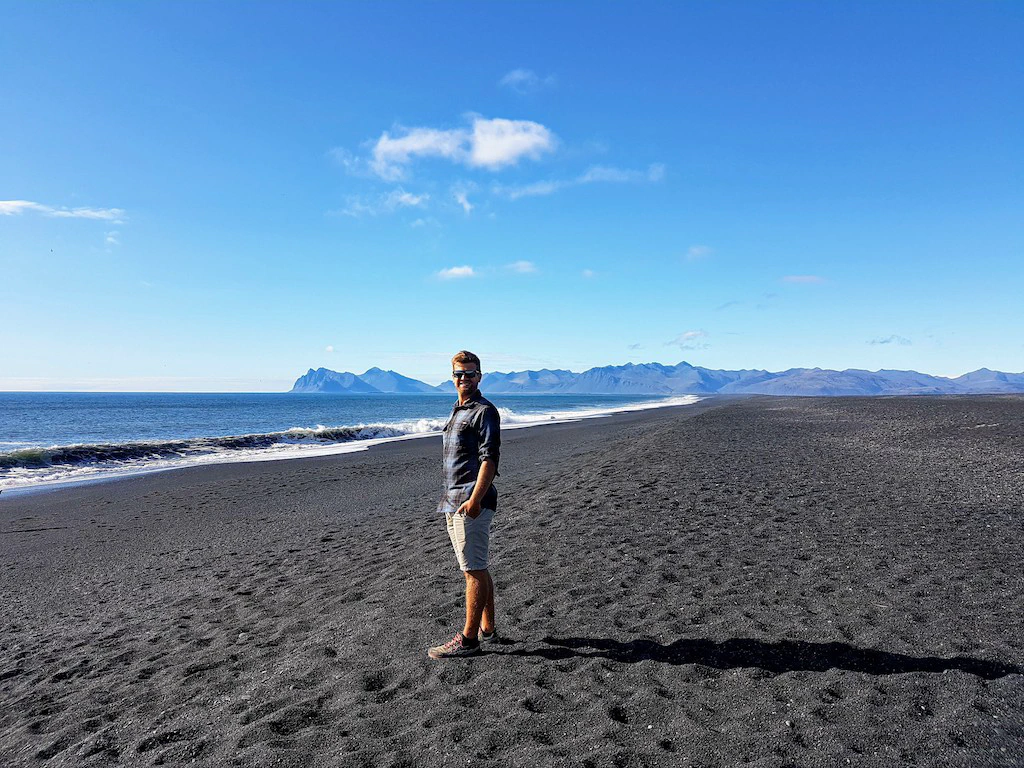
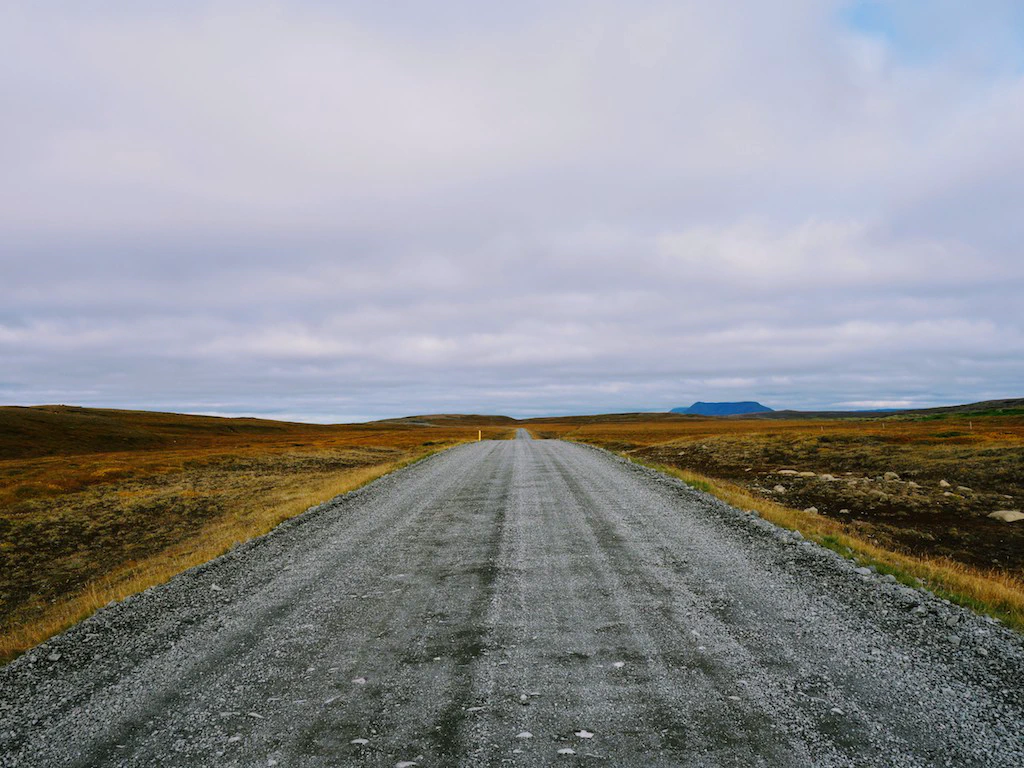
When we left the south of Iceland behind us at Höfn, the sun was blazing out of a blue sky. Oh, Iceland in sunshine really is a dream. To get from the south to the north you have to — exactly — cross the east once. The east is probably Iceland’s least noticed corner, since it holds no sights worth mentioning. And with a bad weather front rolling in we might well have watched it fly past as quickly as possible. But in sunshine this stretch of land has so much charm that the 250 km route kept us busy all day.
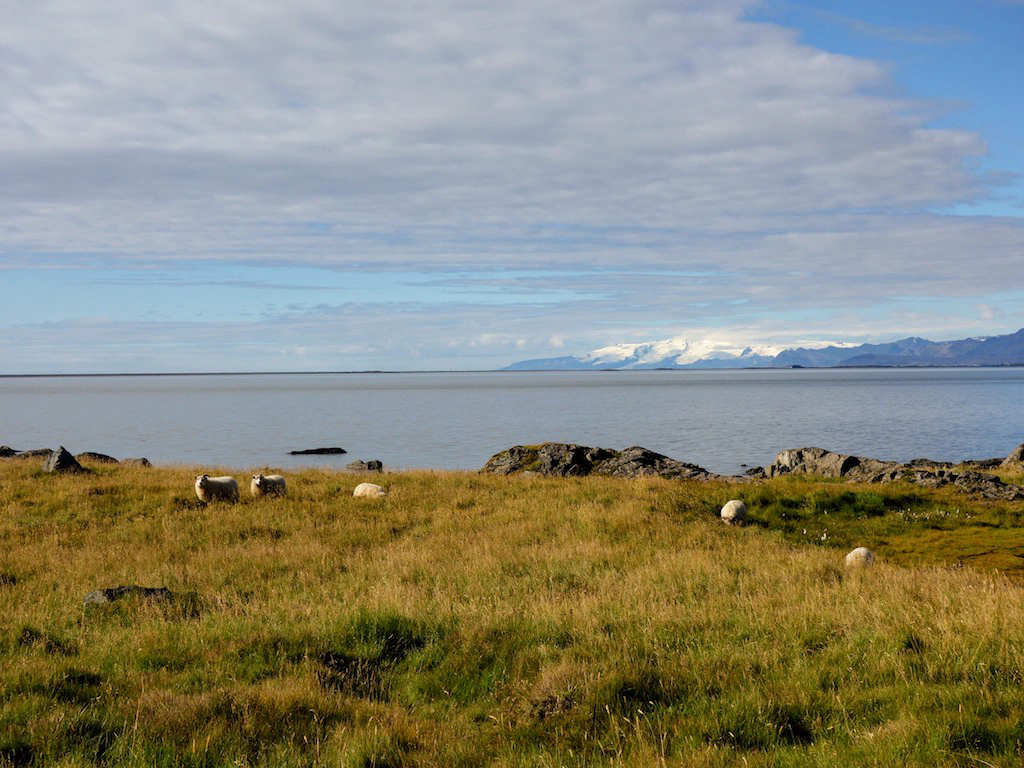
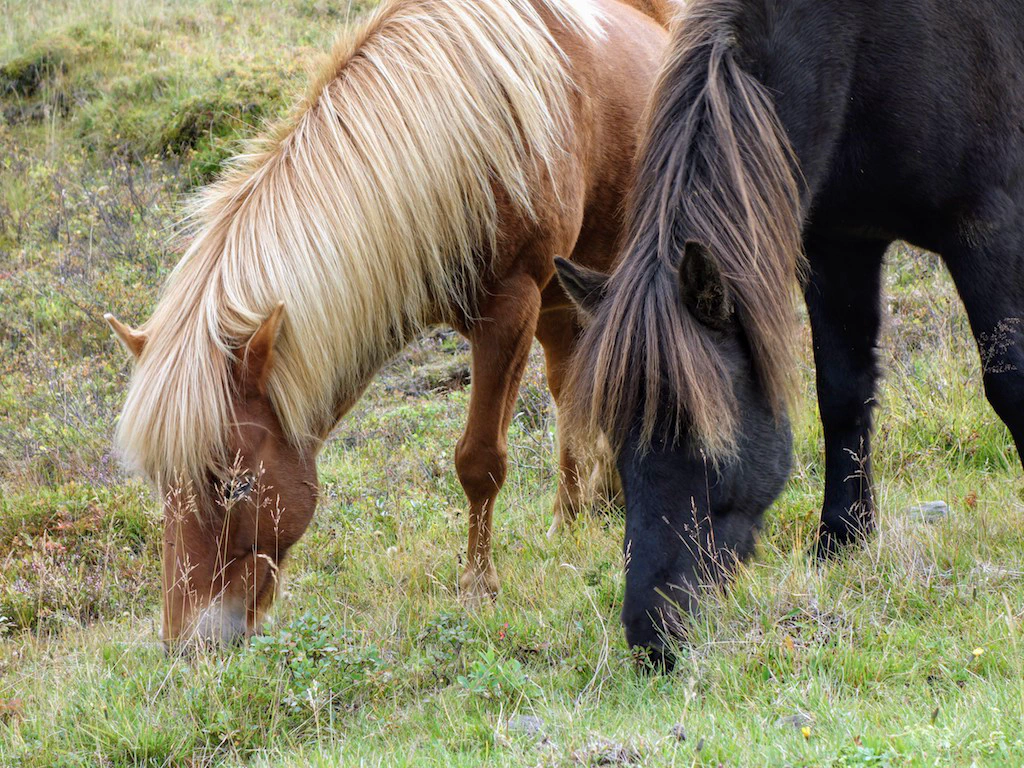
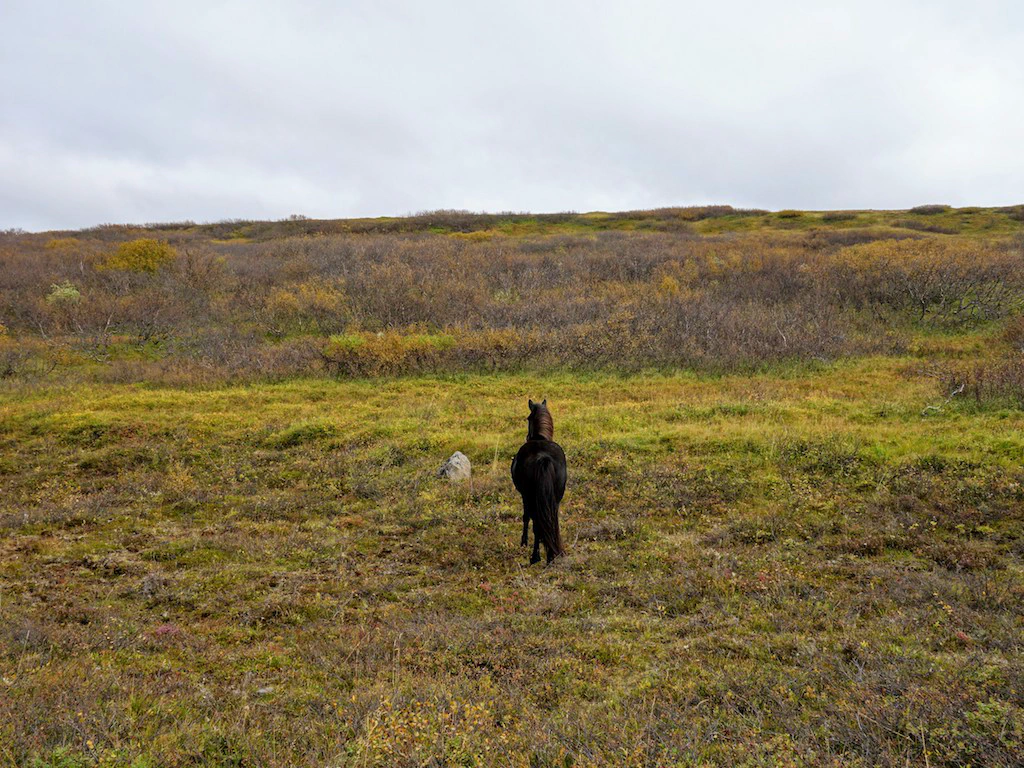
Looking back through the pictures, I can see that what enchanted us most was the local wildlife.
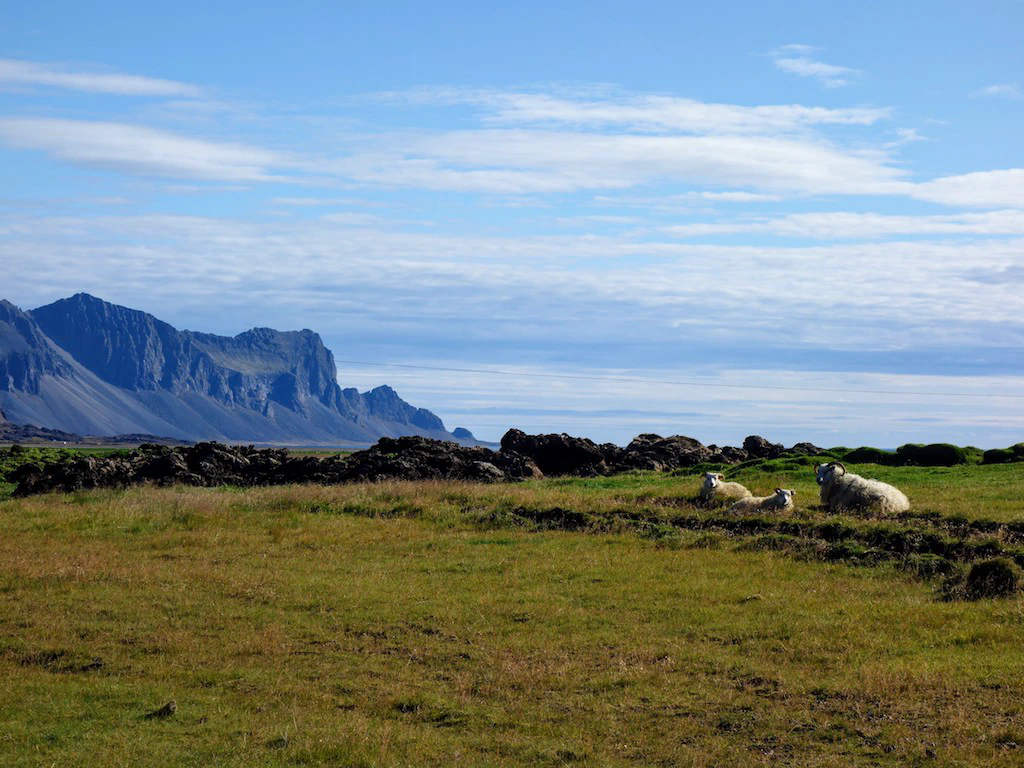
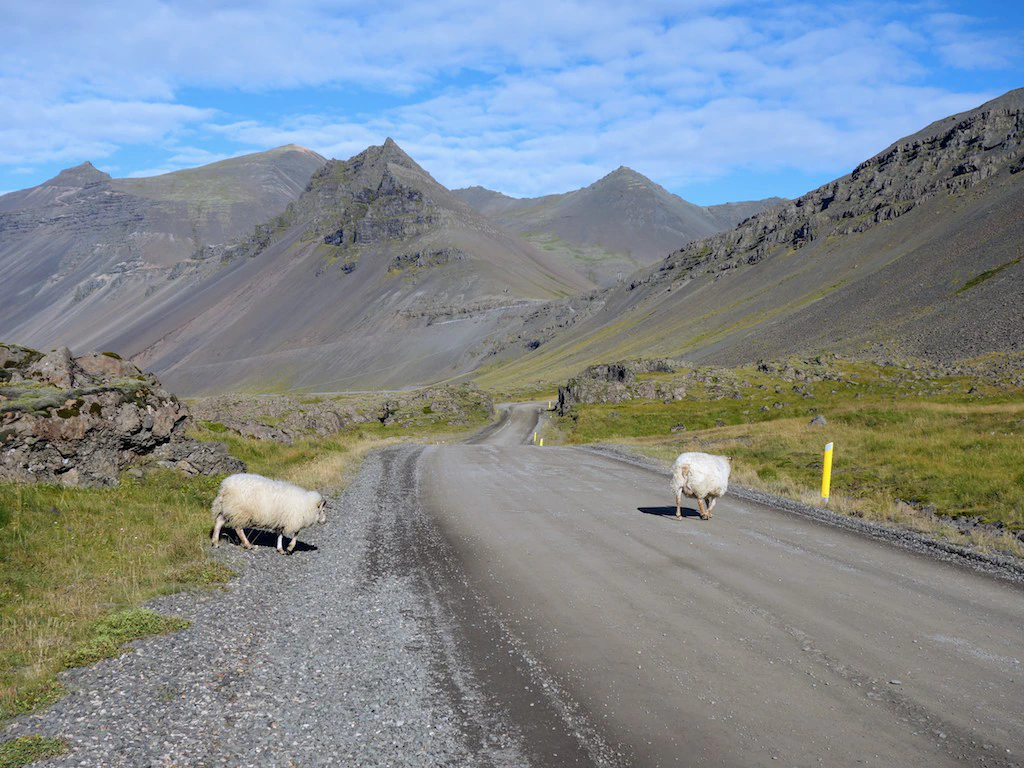
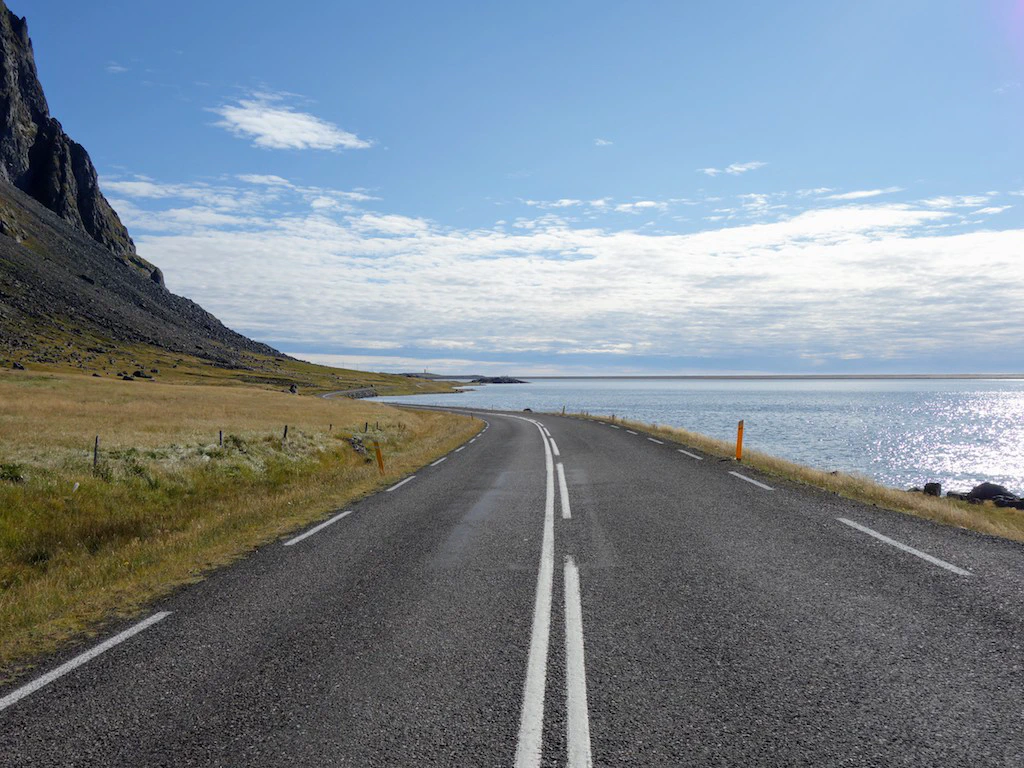
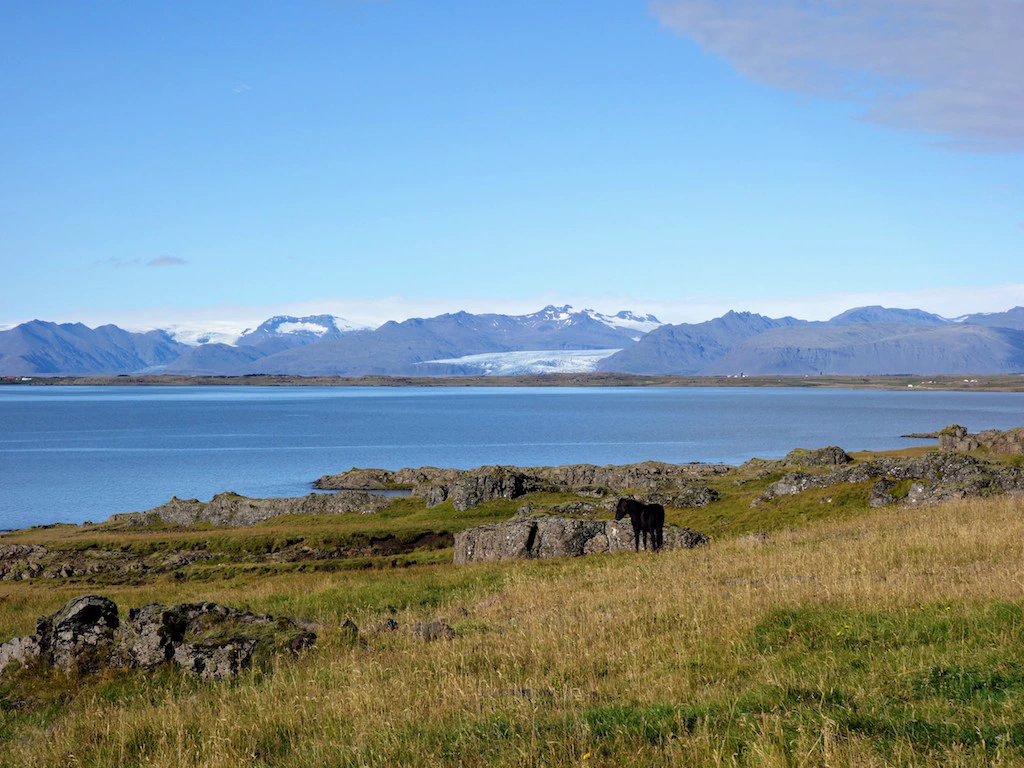
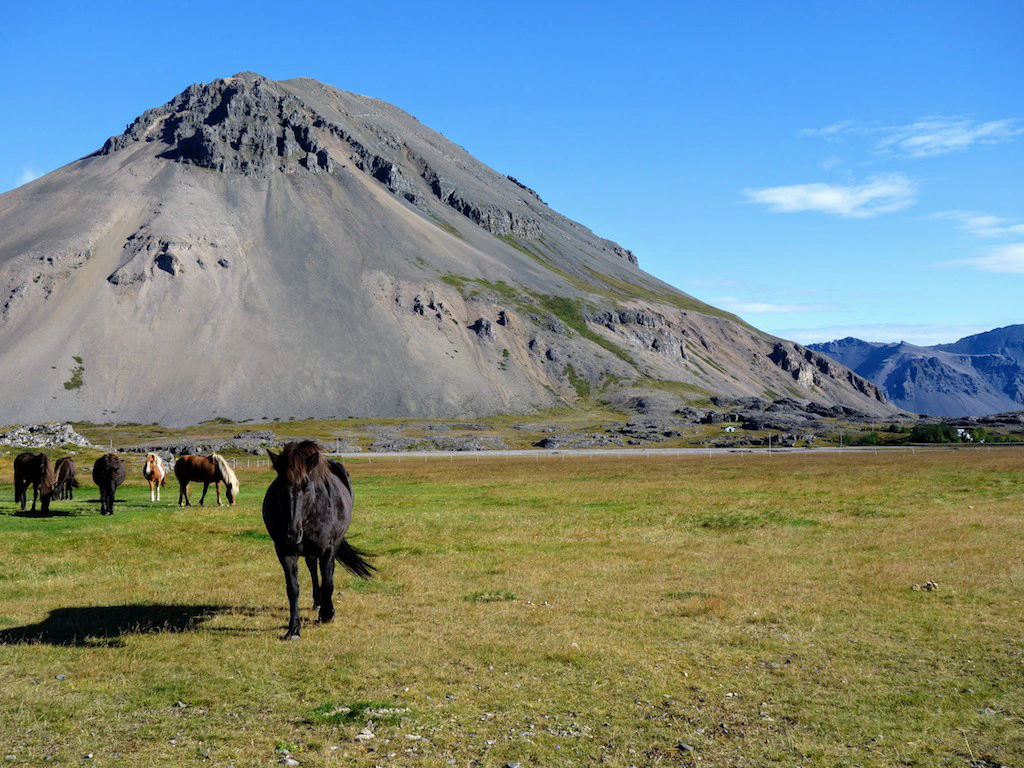
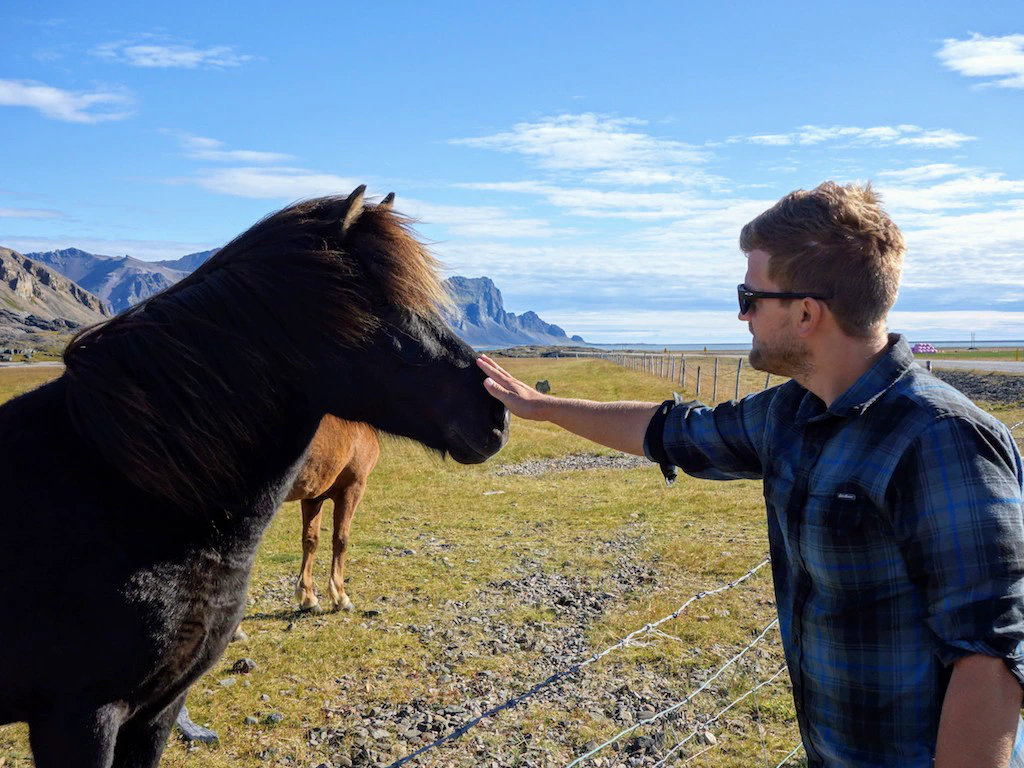
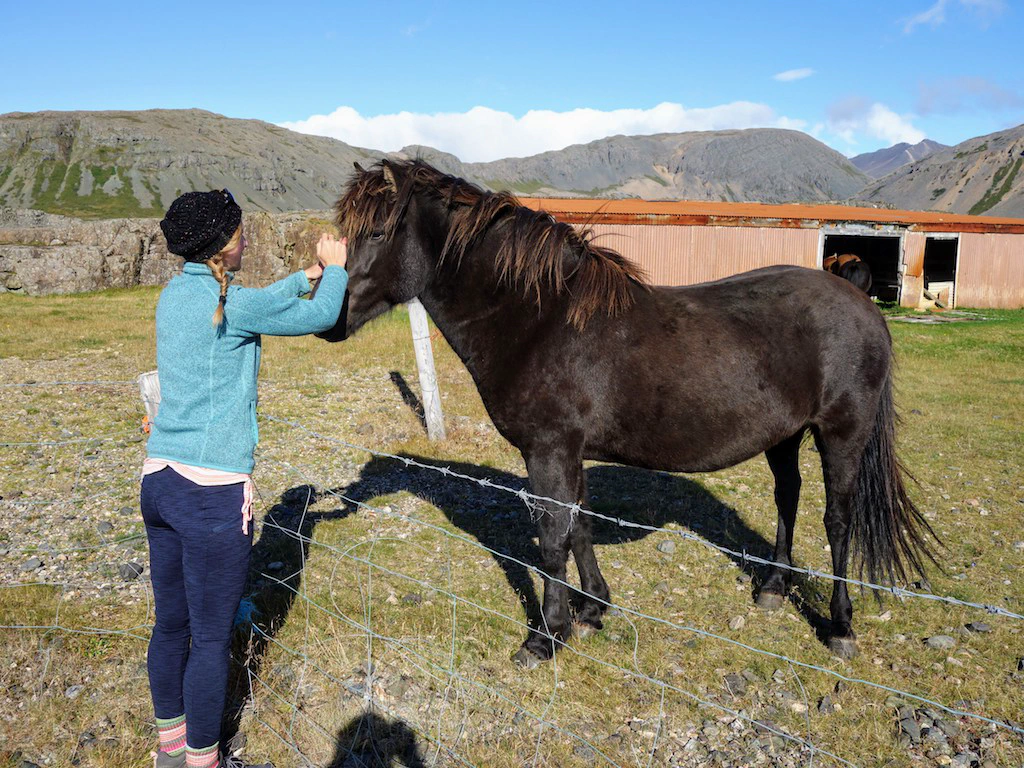
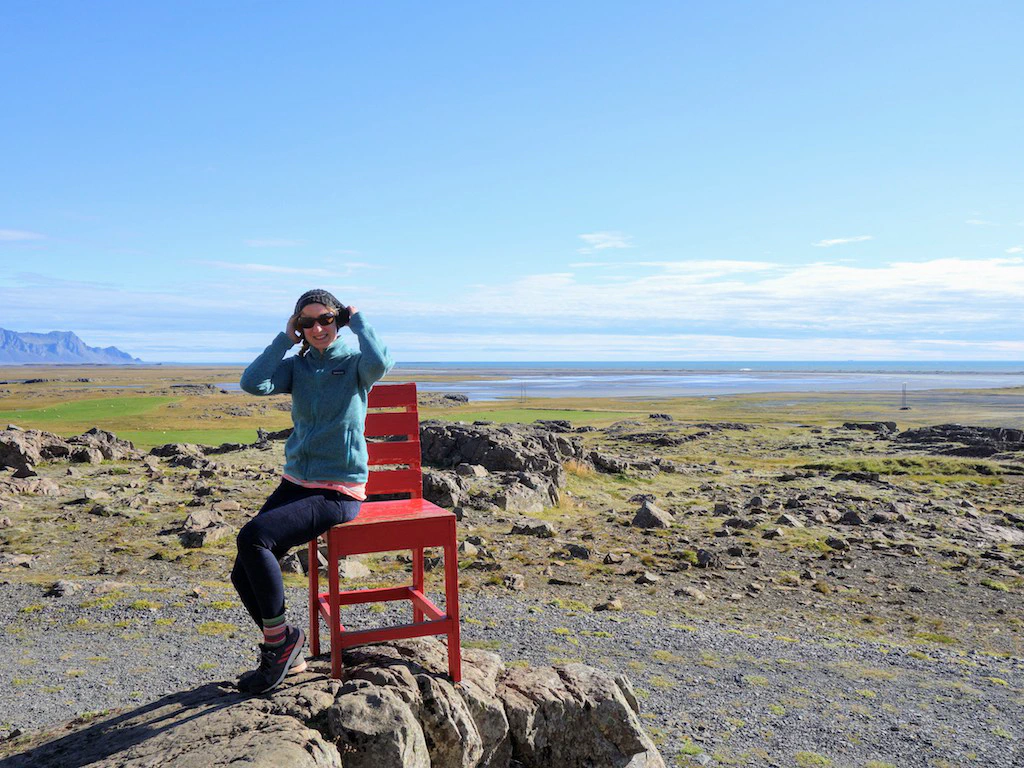
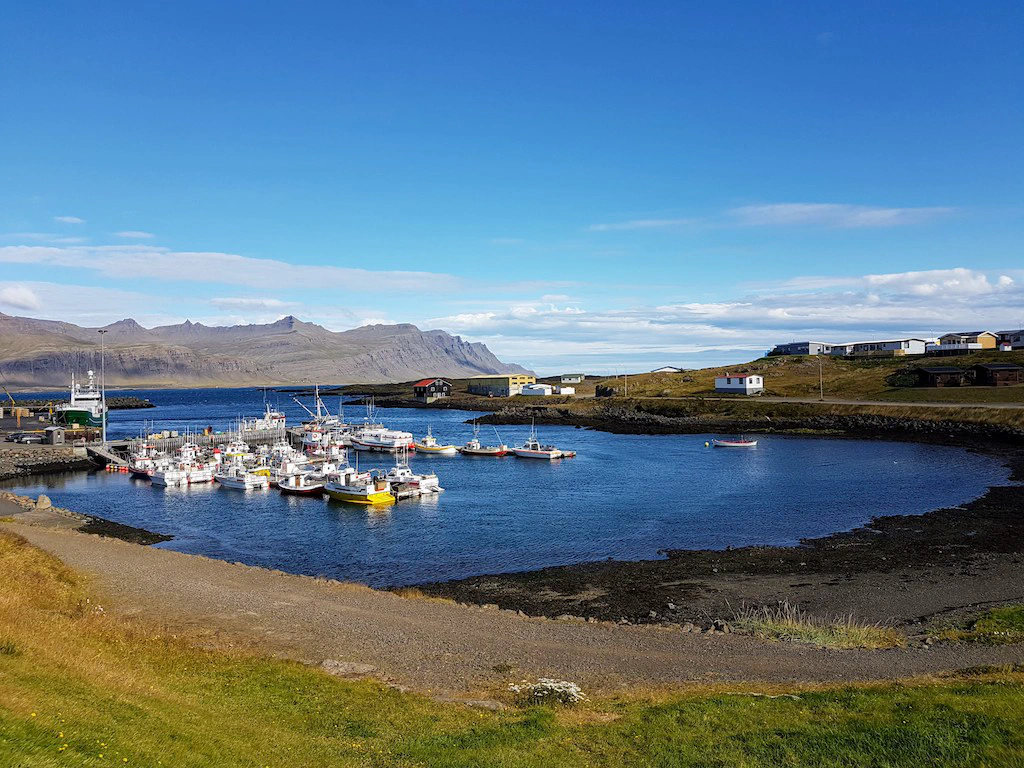
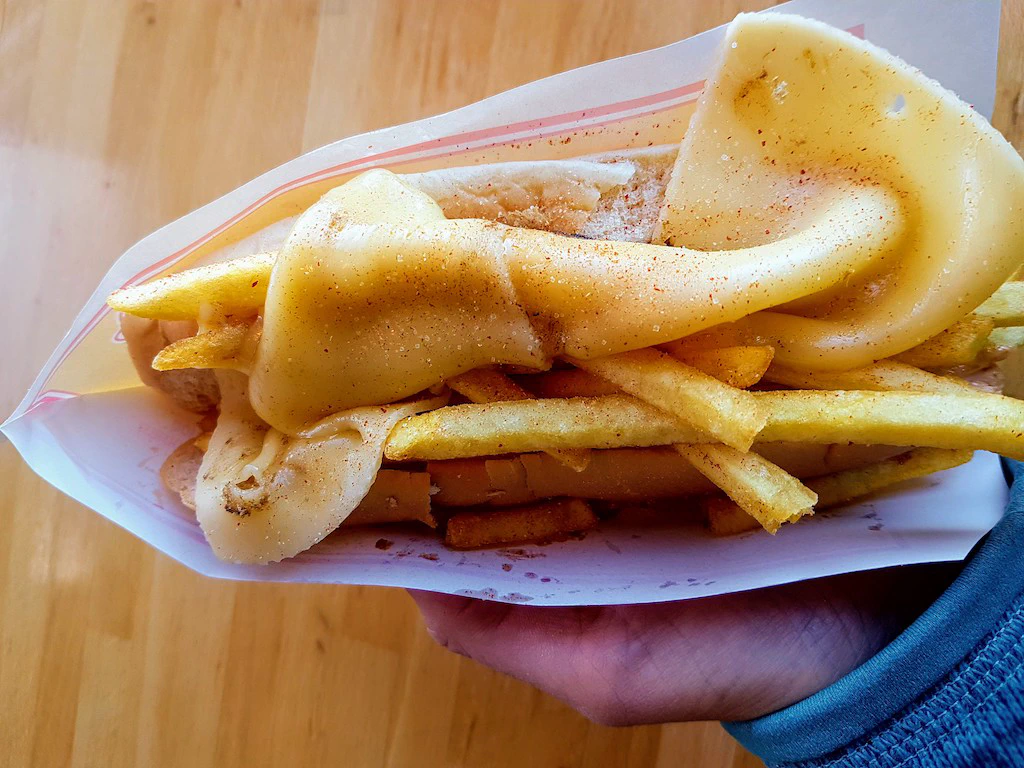
What won me over most were the little places dotted along Iceland’s east coast. We paid a visit to Djúpivogur and Breiðdalsvík. Because the towns sit right by the sea, each has a small harbour where the boats mirror themselves so beautifully in the water. In Djúpivogur we ate a very peculiar vegetarian hot dog, served without a sausage but with chips and cheese instead.
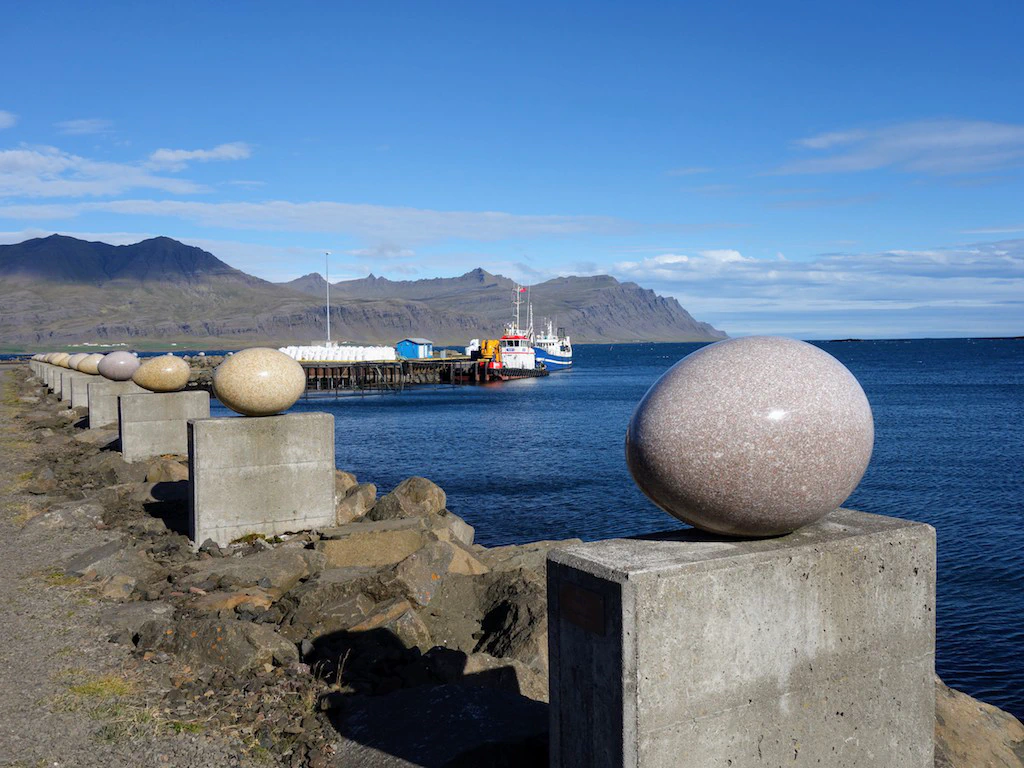
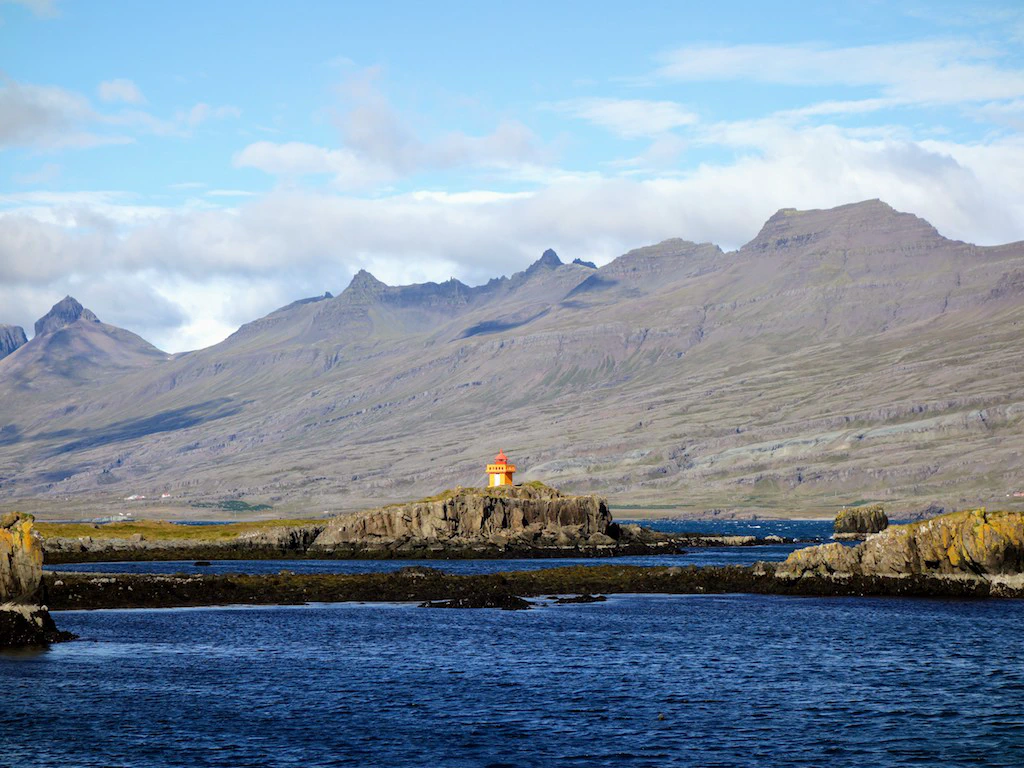
On the edge of town we visited the curious art installation Eggin í Gleðivík — a replica of 34 eggs laid by birds that nest in the area. That also turned out to be our final encounter with art on the whole Iceland trip. What I liked far better anyway was what you see when you turn around: the orange lighthouse rising from a rocky island.
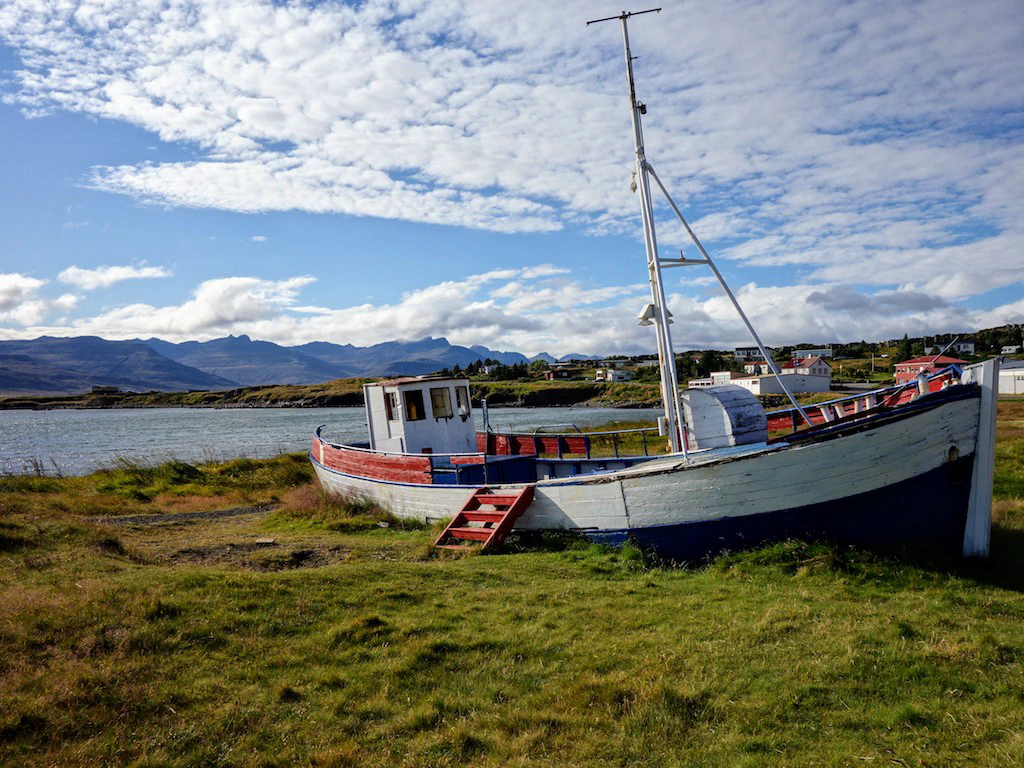
Our stops along the route simply refused to become fewer. That is probably what makes Iceland special: you are not just driving from one sight to the next, the whole country bursts with natural beauty. But see for yourself.
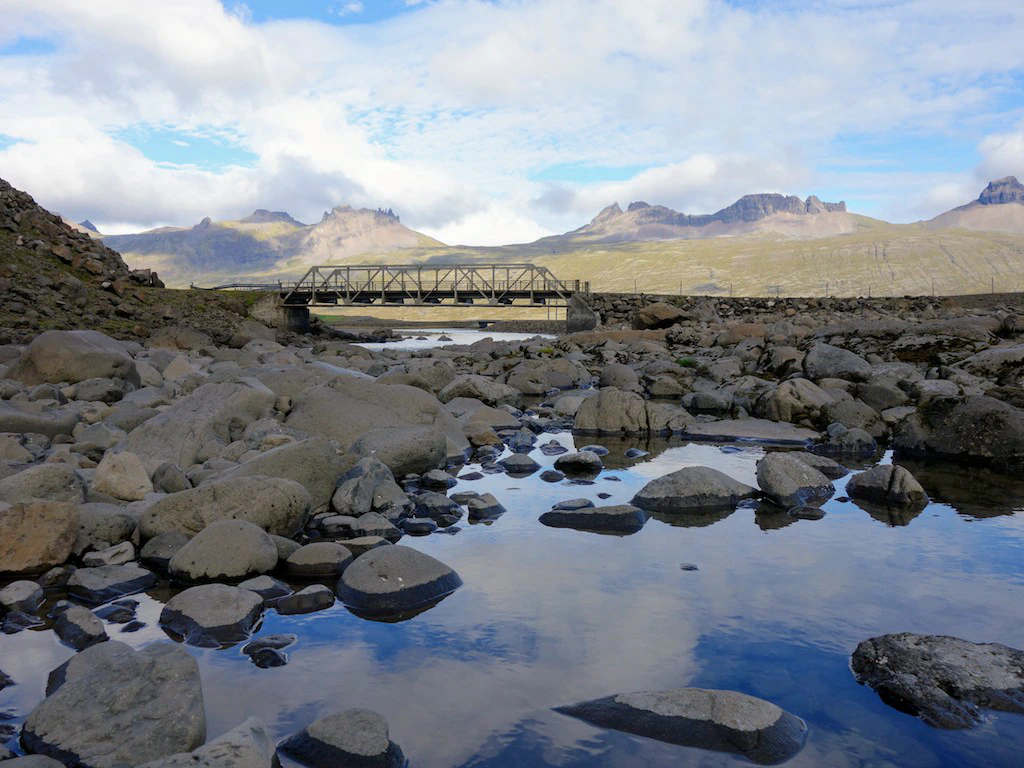
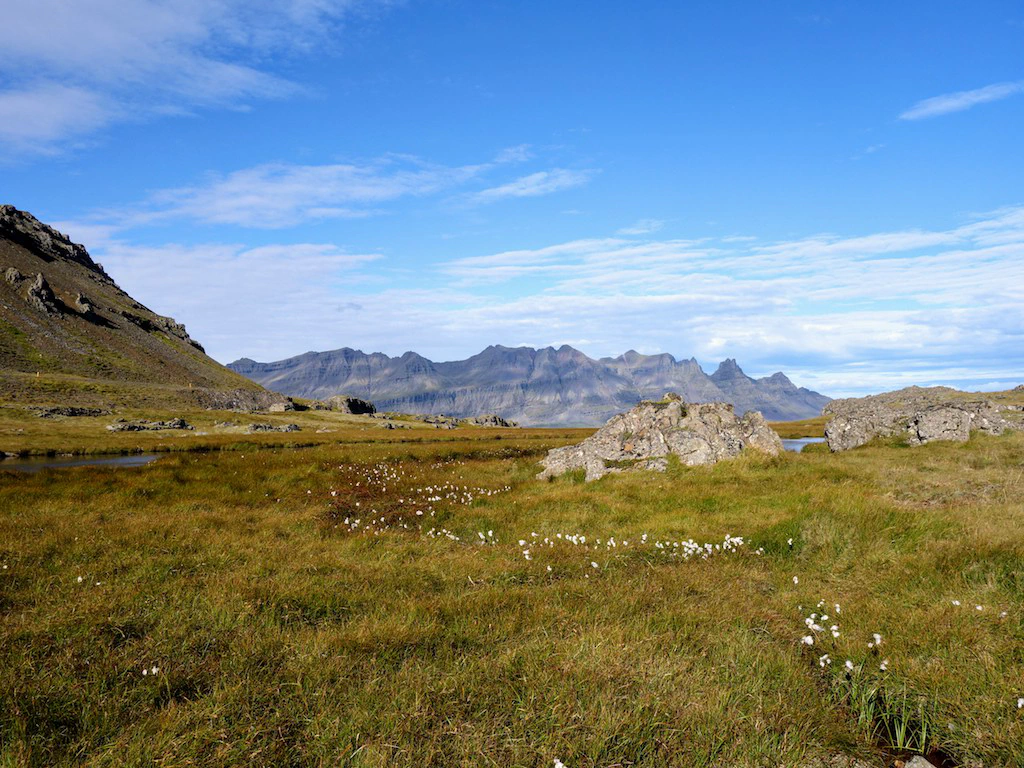
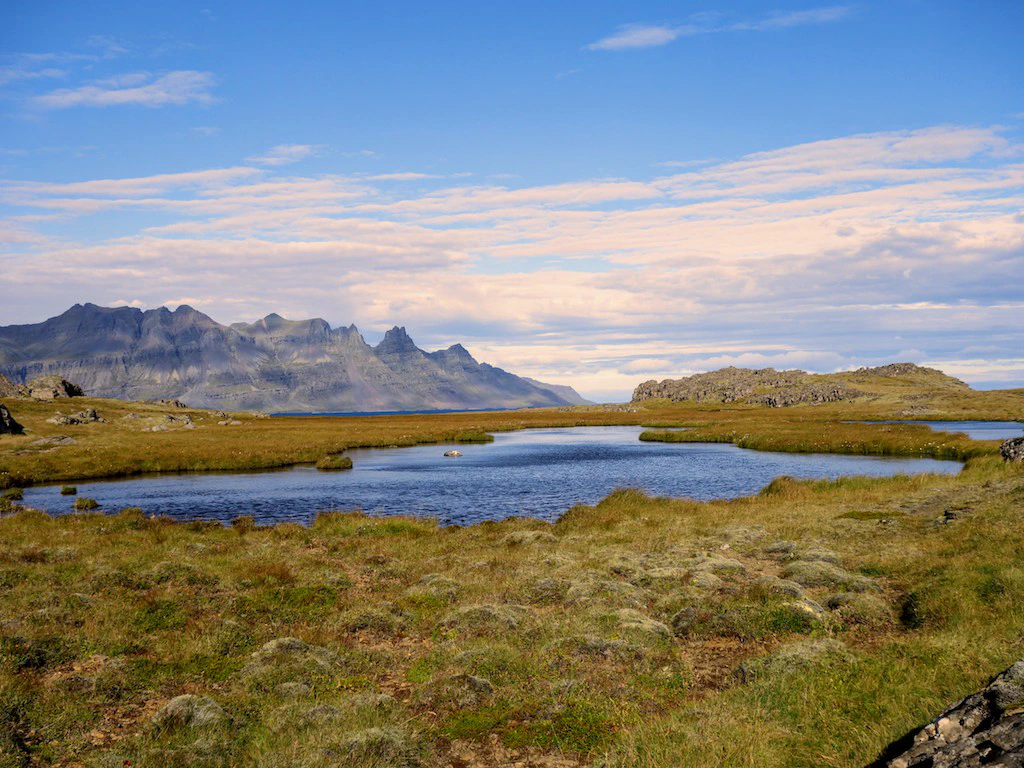
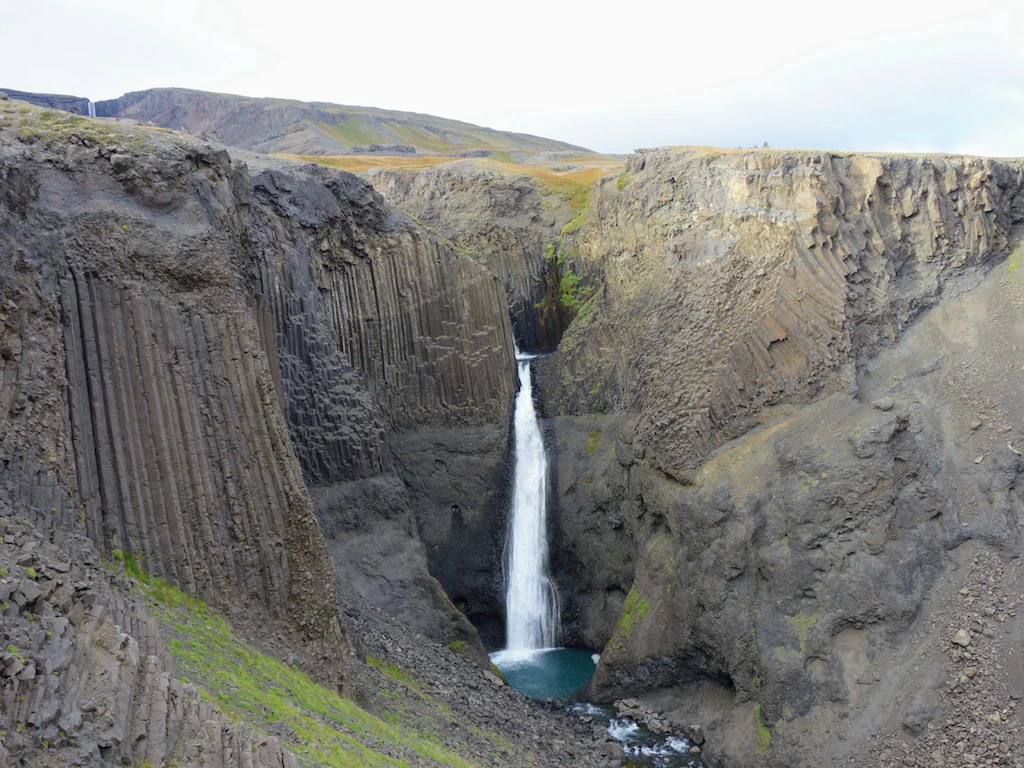
By the time we finally reached the first waterfall of the day in the late afternoon, the sky had clouded over. It is madness how quickly you get used to the sun beaming down on you, handing you the loveliest displays of nature. That is when thoughts like this creep in:
“How unlucky can you get? We finally make it to the waterfall and the sun disappears!?”
Pretty spoiled, right? Especially after being so thoroughly indulged during the first few days with the waterfall-plus-rainbow combination, the bar for every future waterfall was set high. A waterfall without a rainbow? Boring!
To reach the Hengifoss waterfall you first have to walk uphill for half an hour. As little as that sounds: there is so unbelievably much to see in Iceland that you think twice about whether it is worth the time! But since the waterfall was said to pour out of a wall of basalt, we accepted the effort. Long story short: Hengifoss just was not as impressive as the others. That is fine, Hengifoss, you are allowed.
That evening we treated ourselves to our first warm accommodation of the whole Iceland trip, a so-called sleeping bag accommodation. It means you are not given any bedding and bring your own sleeping bag instead. For a mere 90 euros we were in, at Fellabær.
Day 6 — ending the day in the Blue Lagoon of the north
The next morning the sky hung low over us — not the best conditions for our planned visit to two imposing waterfalls: Dettifoss, the most powerful waterfall in Europe, and Selfoss. Well, not exactly bad conditions either. But I really wanted to see one more rainbow above a waterfall. Perhaps I should just be grateful that it had happened at all in Iceland?
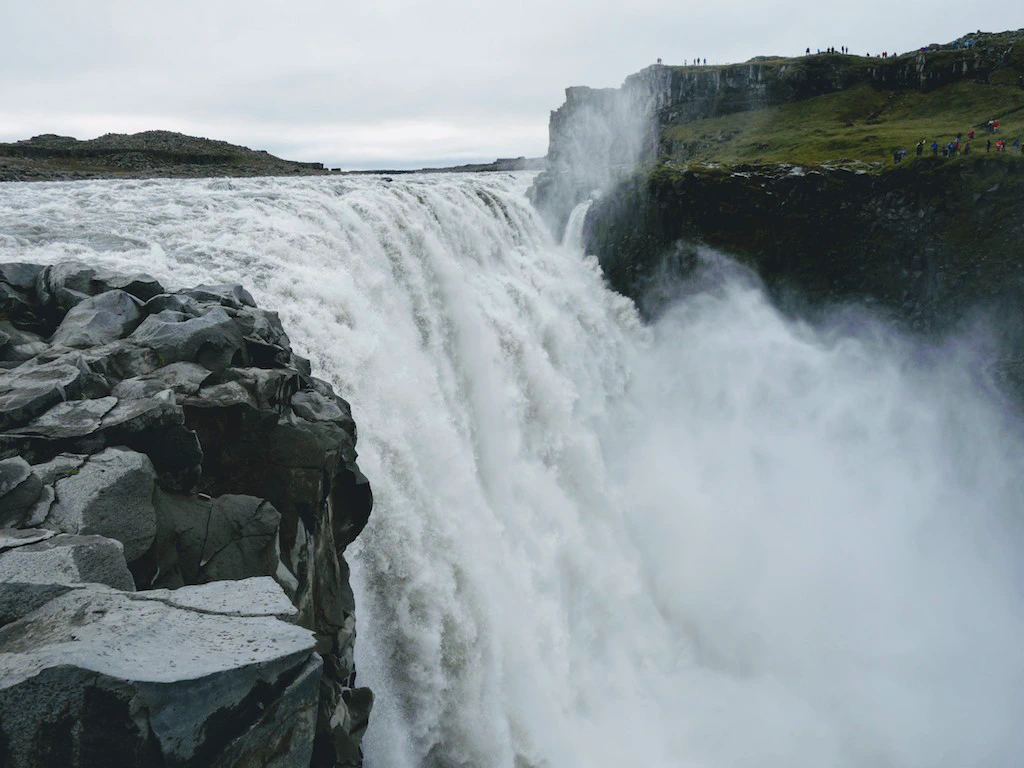
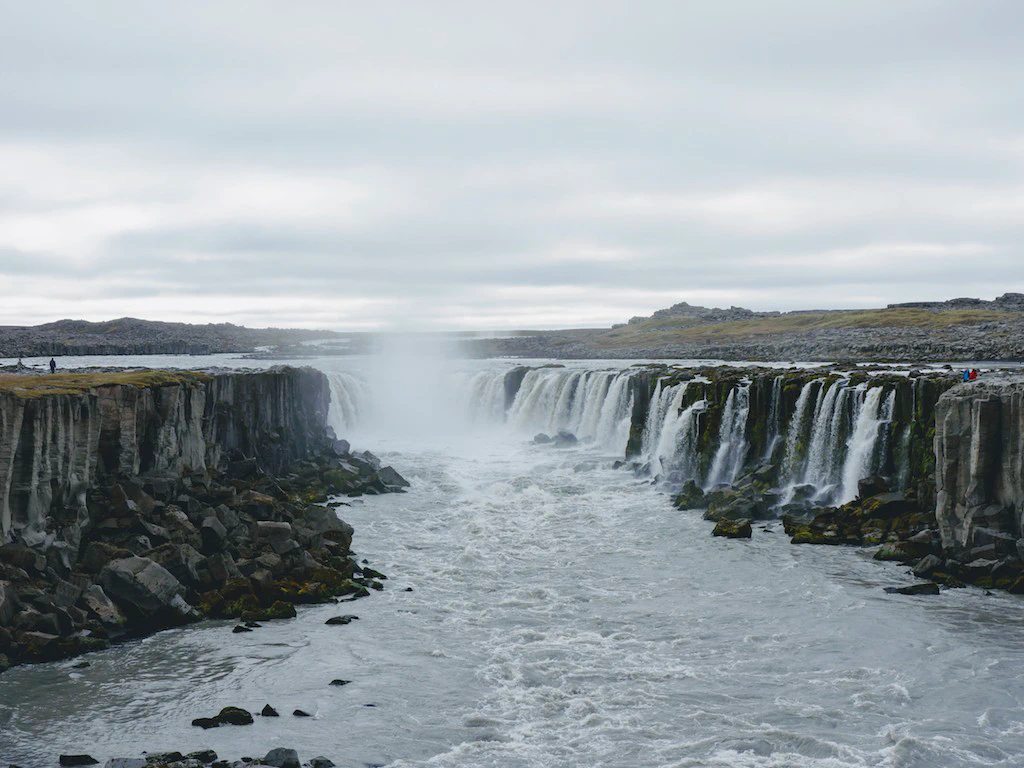
And let us be honest — most water-rich river in Europe or not — encounters like these are far lovelier, are they not?
Next we went on to the horseshoe-shaped canyon Ásbyrgi in Jökulsárgljúfur National Park. A number of Icelandic myths surround this place. Because of its horseshoe shape the formation is also called Odin’s footprint. Odin was not exactly familiar to me; he is the chief god of Norse mythology. Others say this is the capital city of the elves.
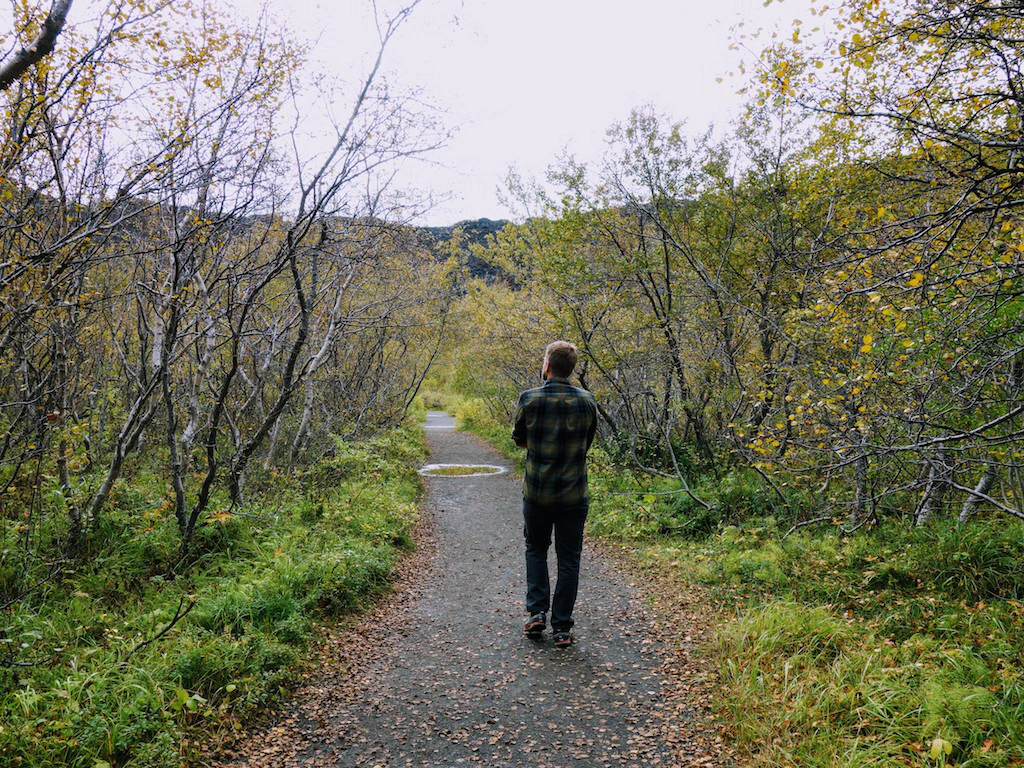
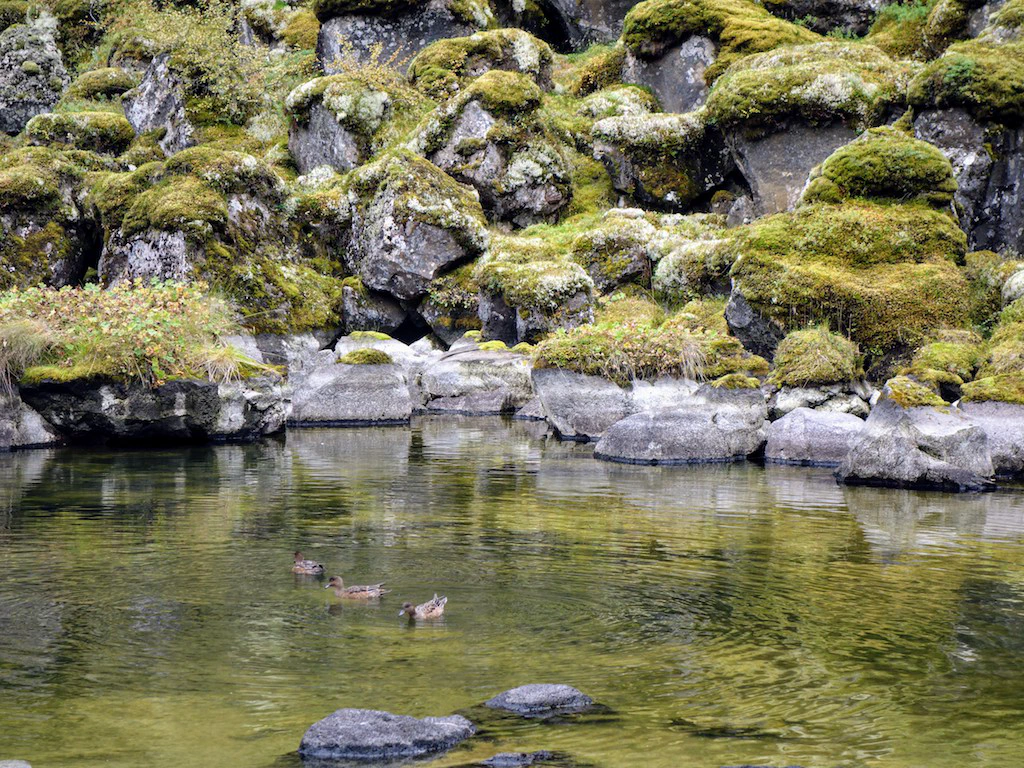
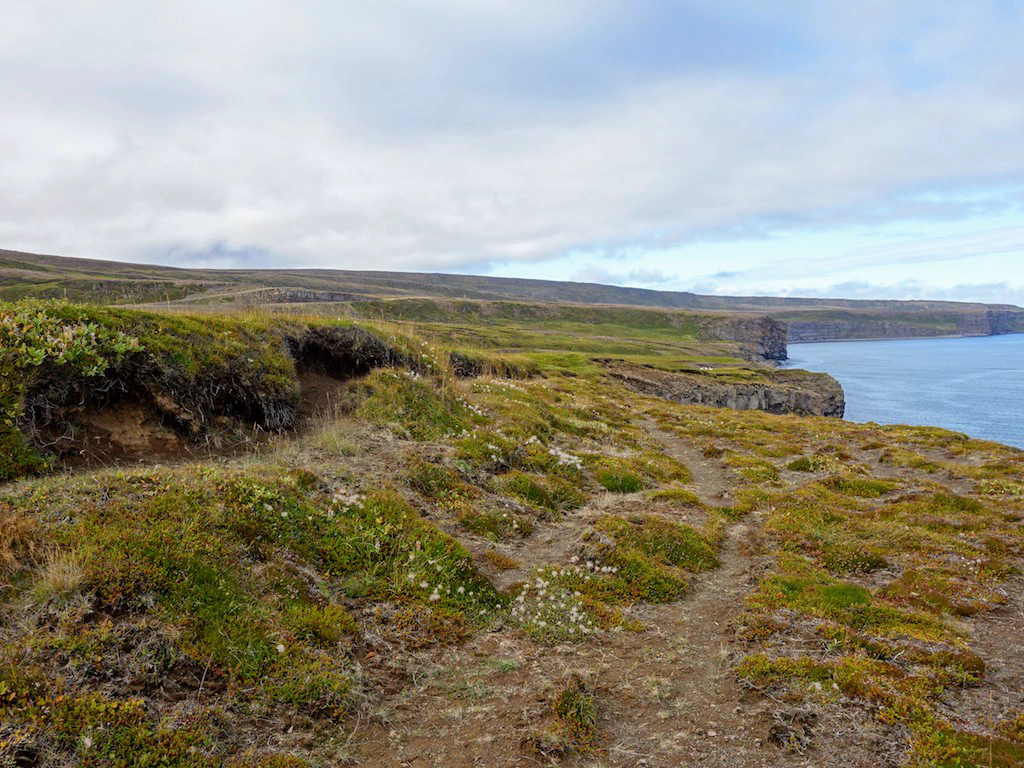
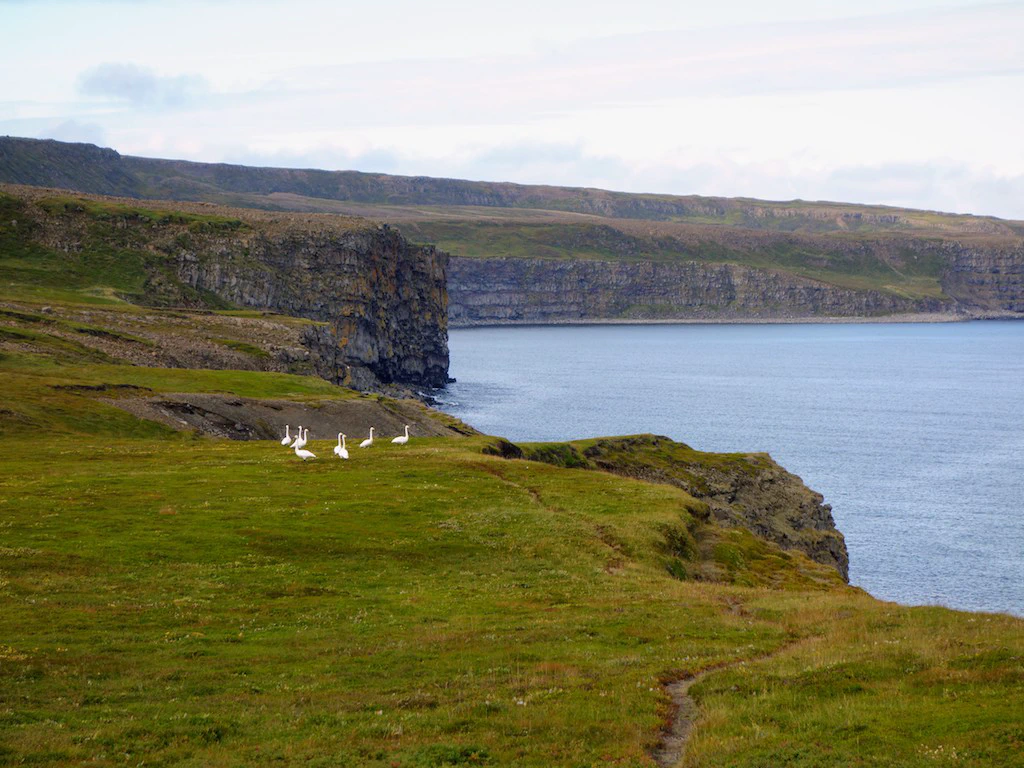
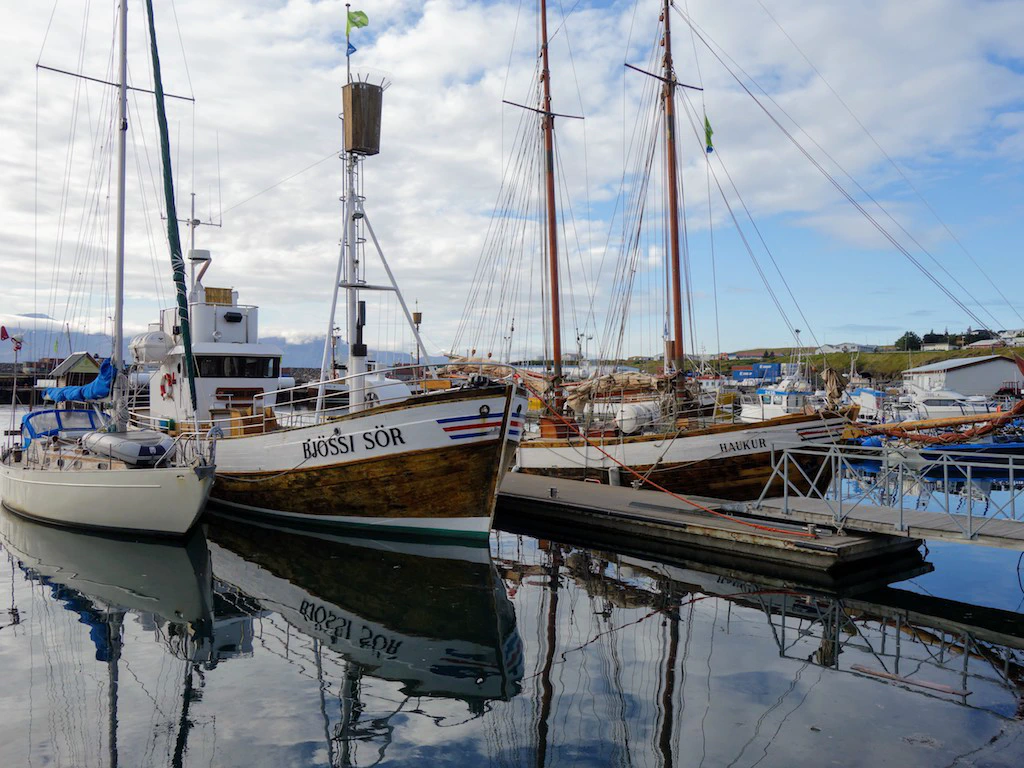
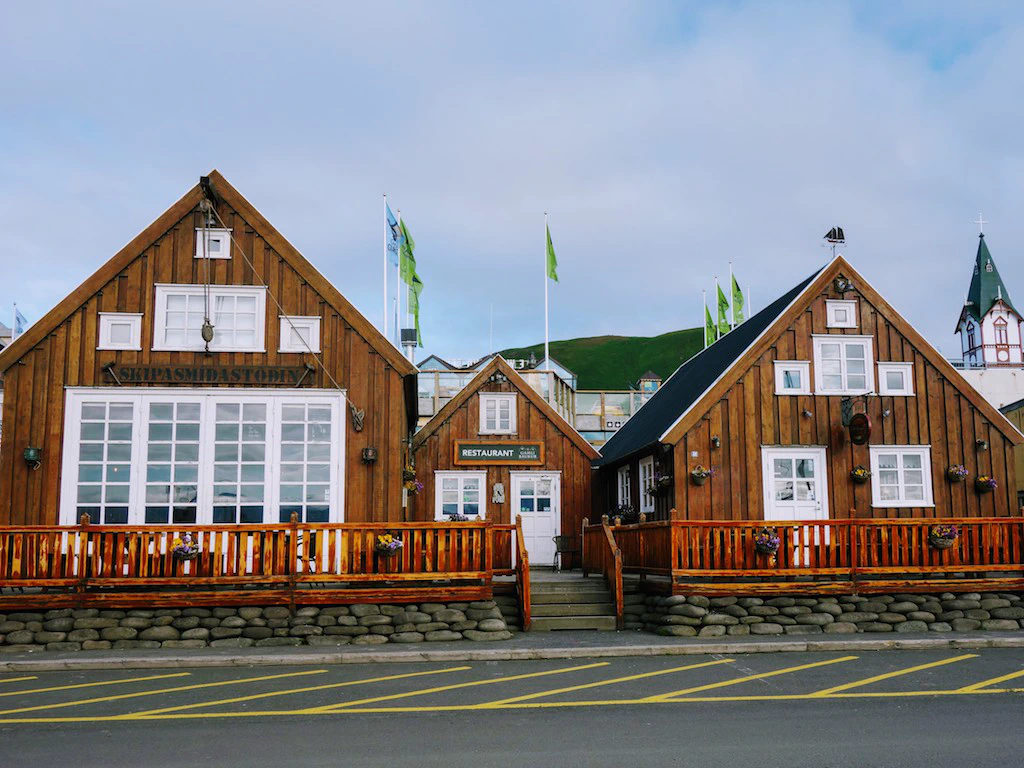
We drove on towards Husavik, more or less the opposite of an elf capital: the whale watching capital. If you are not planning to go on a whale watching tour (as we were not), you are through Husavik quickly. All the better: more time for the real treat of the day — the Myvatn Nature Bath.
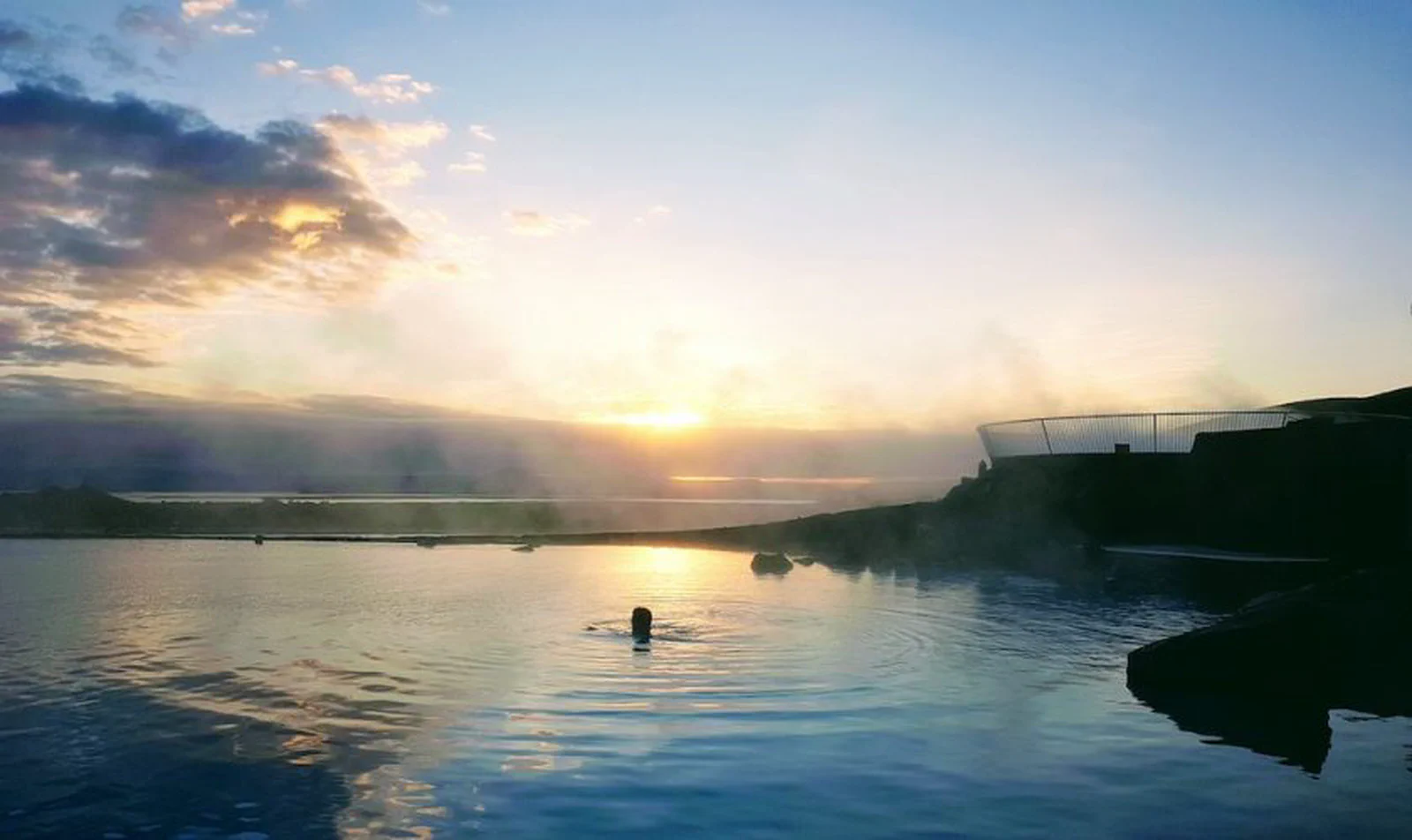
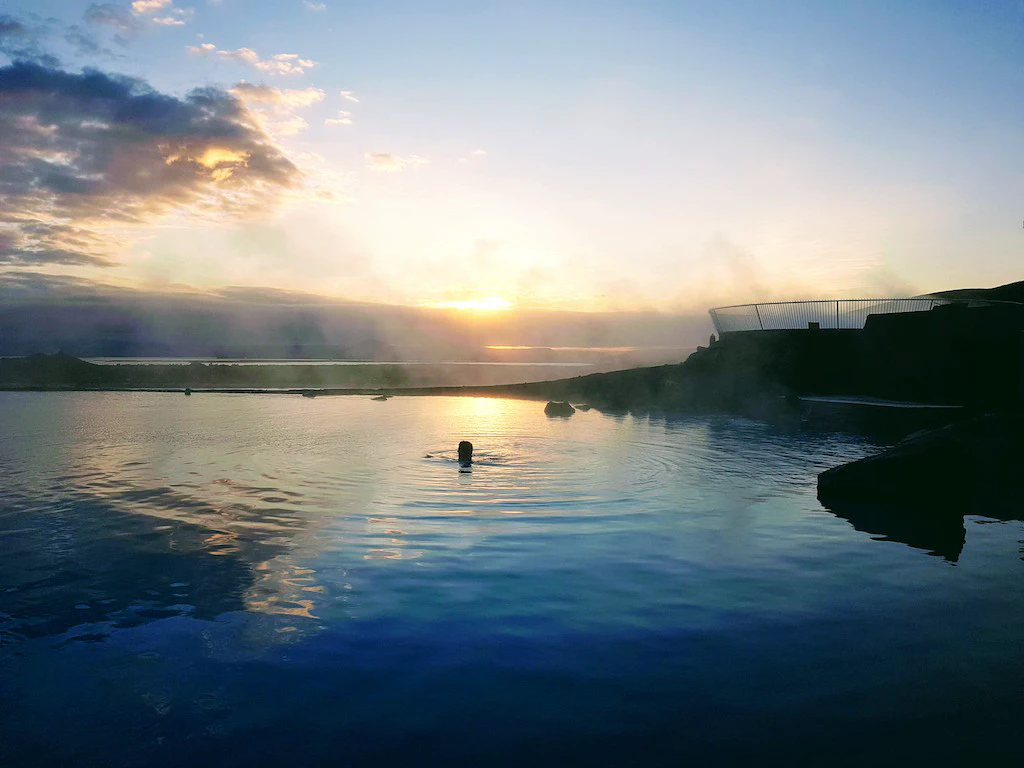
The Myvatn Nature Bath, the Blue Lagoon of the north, has two large pools filled with natural thermal water, one bathtub-hot, one bathtub-warm. There was quite a crowd, but luckily for us everyone was clustered in the hot pool. Since we planned to stay until sunset, we preferred to keep to the warm water. Even there our hands were wrinkled after fifteen minutes. And sunset was still three hours away…
Oddly enough my hands wrinkle more than Jan’s… Any theories?
One more thing about that day, purely because I want to mention it: I was lying in the tent late in the evening when Jan came running up:
“Jasmin, get out here quick! There are northern lights in the sky!”
Oh my god, oh my god, oh my god — that is exactly what you want to hear, right?! So out of the tent I shot, looked up at the sky and saw — er, where are these northern lights supposed to be? Alright, with a lot of goodwill I could make out a few pale shadows drifting across the sky. And those are northern lights?
The upside: I had finally registered that I could read up properly on when, where and how you actually get to see them.
Day 7 — an unexpected reunion and those blasted northern lights
Whether it was because we were in the north of Iceland or because a low was moving across the island: the nights had cooled to 2°C by now and our sleeping bags were slowly reaching their limit. Well, if you ask me. Jan has no idea what I am talking about. I sleep in a hat and gloves. Jan in shorts, bare-chested.
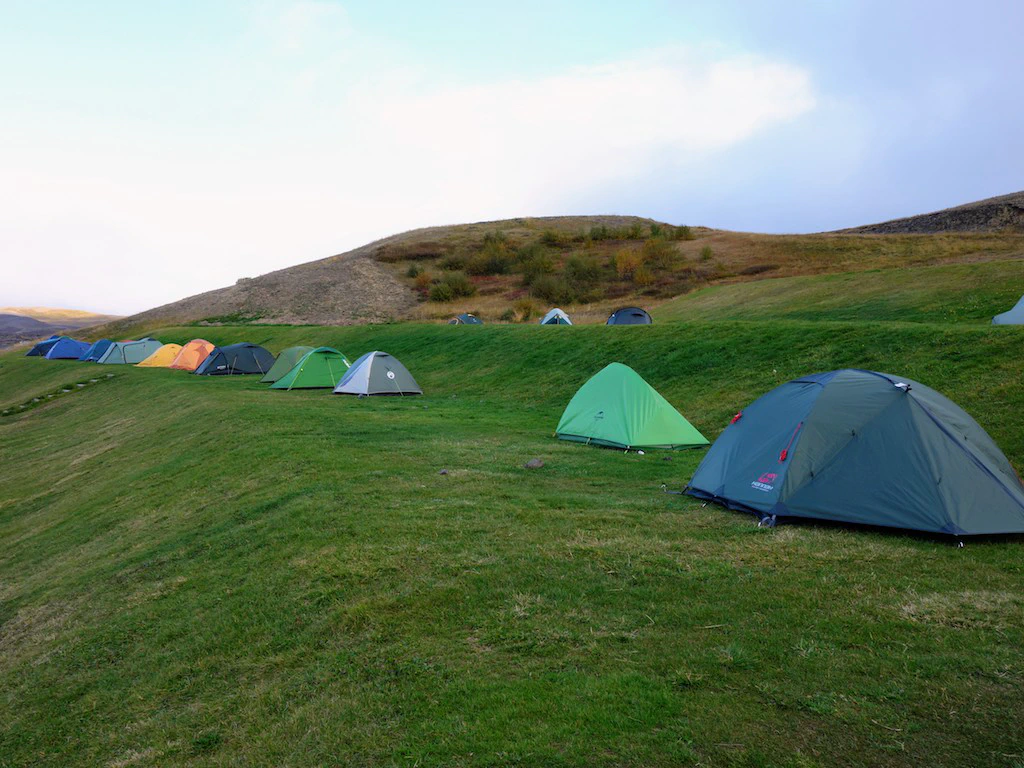
Even so, a few hardened campers had gathered at the campsite by Lake Myvatn (which translates as midge lake).
With its many sights, Myvatn is the tourist centre of the north. The Blue Lagoon 2.0 is not here by accident, but because the area is bursting with hot springs — the 100 km long Krafla volcanic system sits here as well.
That morning the wind was unpleasant and a nasty drizzle was falling — and let us be completely honest: this fine drizzle finds its way through every stitch of your clothing. So our sightseeing turned out a little shorter. The much-praised breathtaking views were not to be made out that morning anyway.
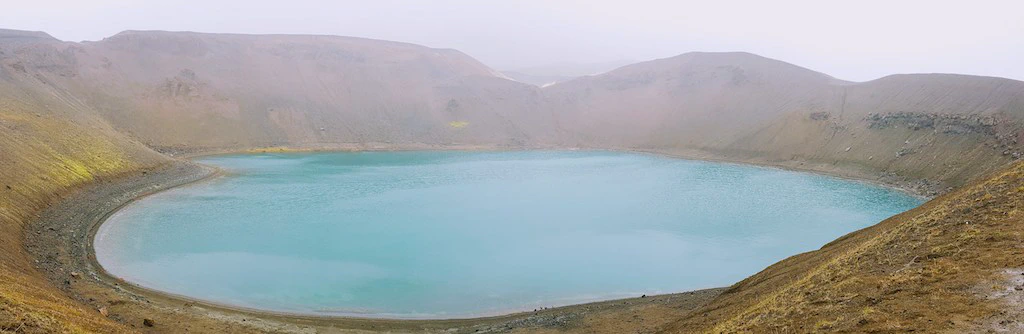
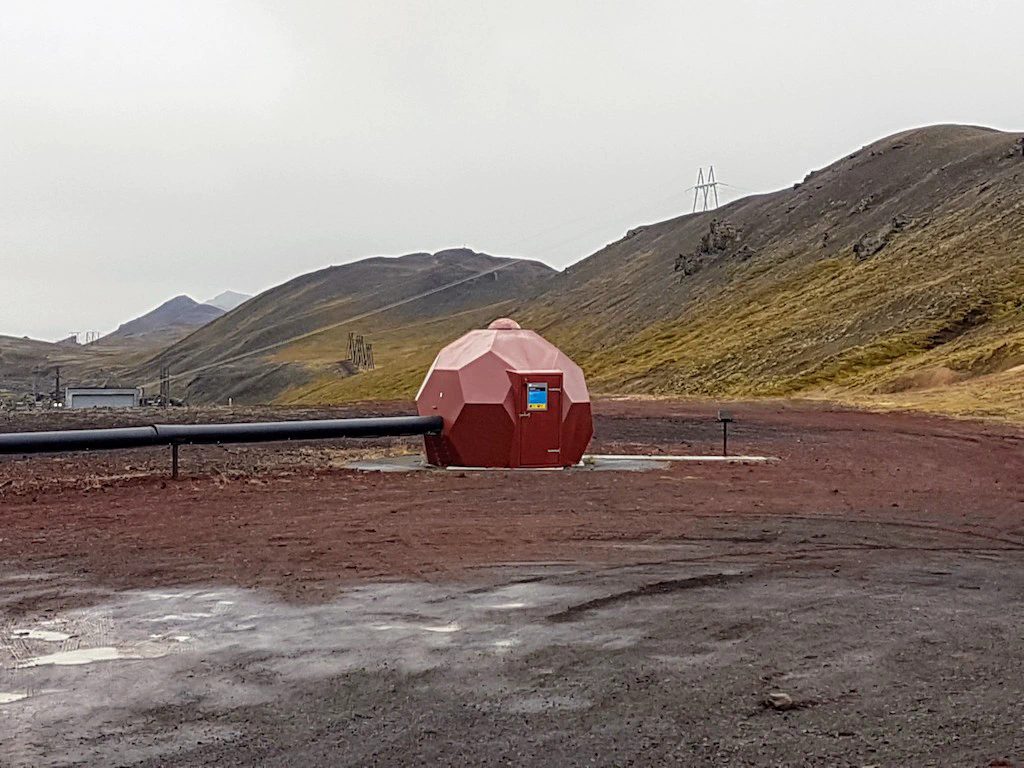
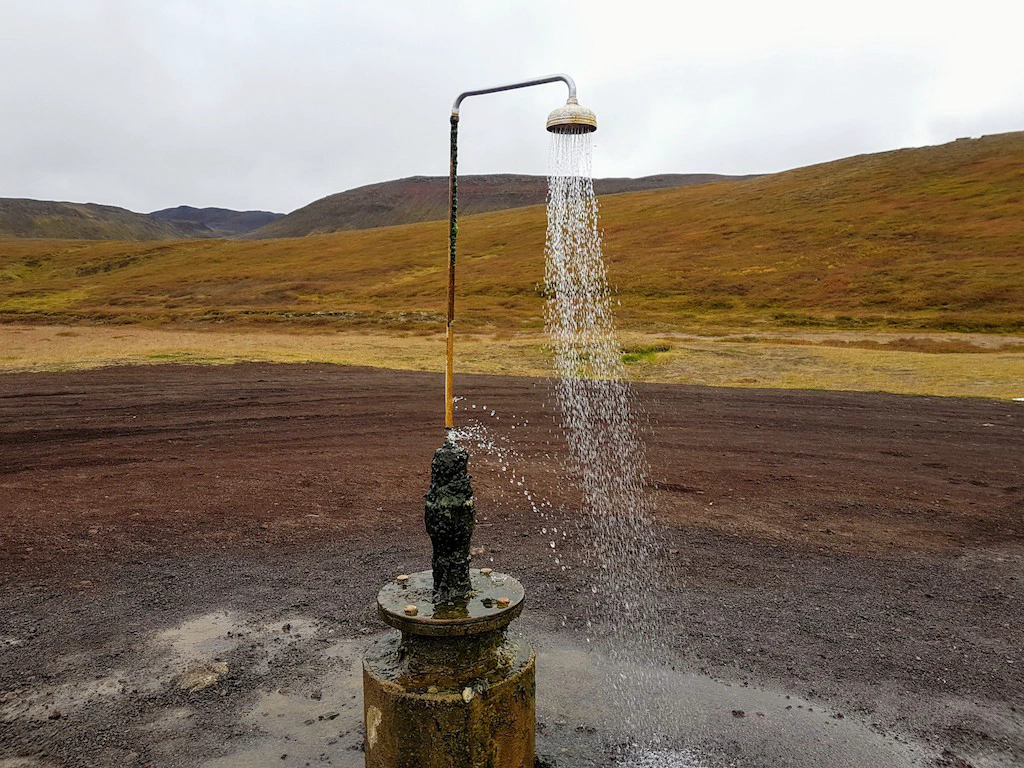
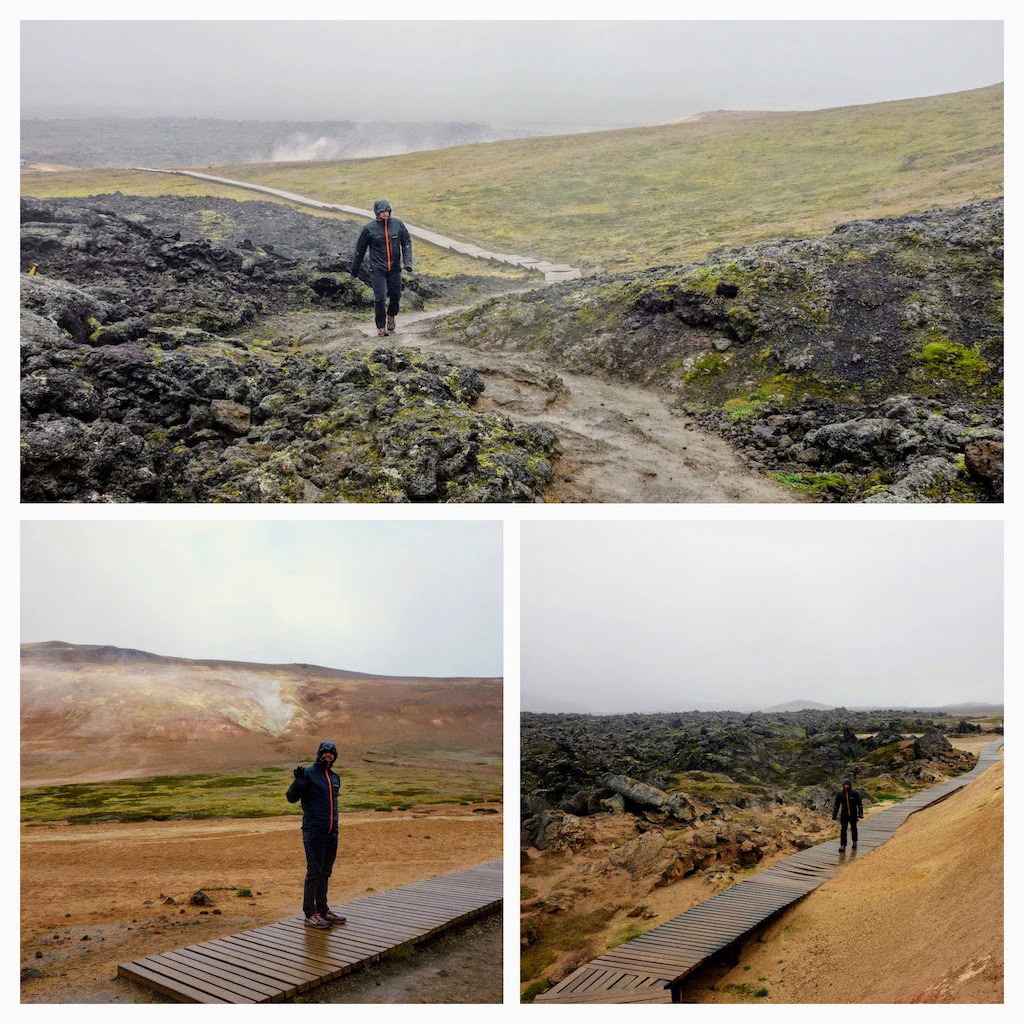
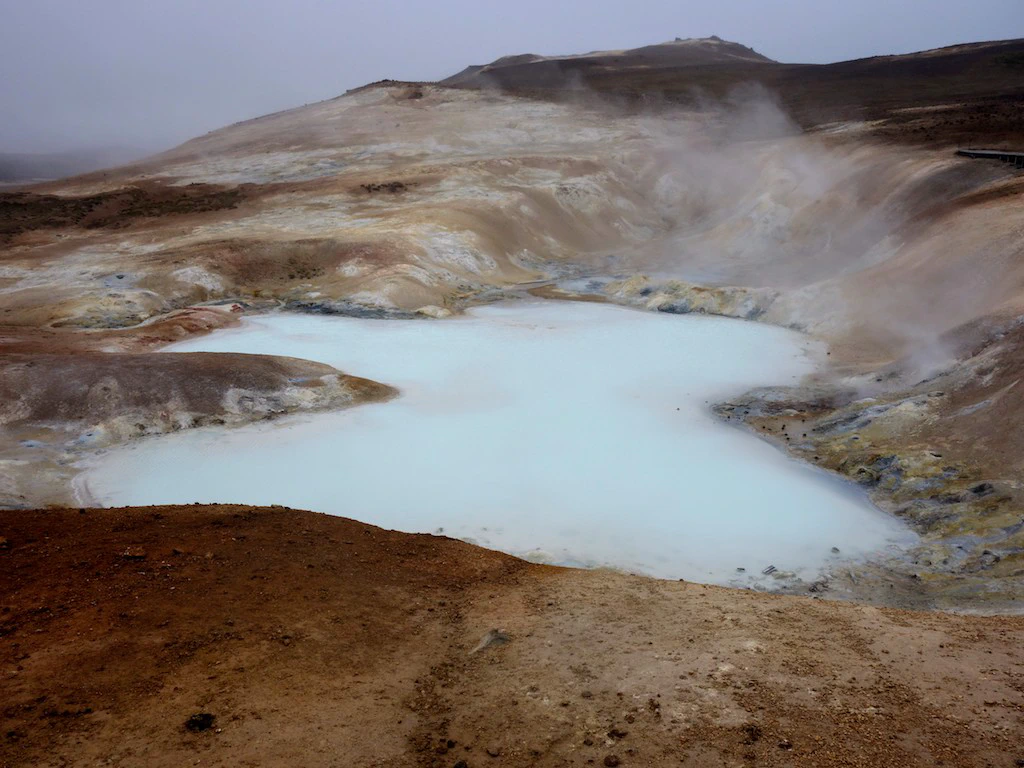
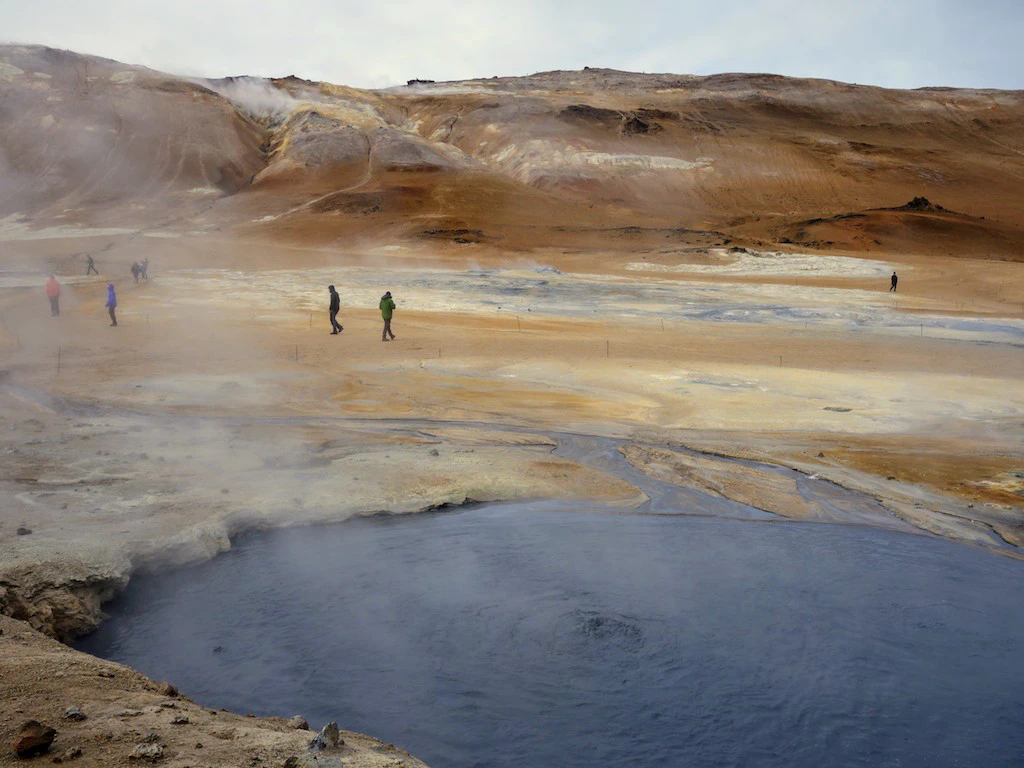
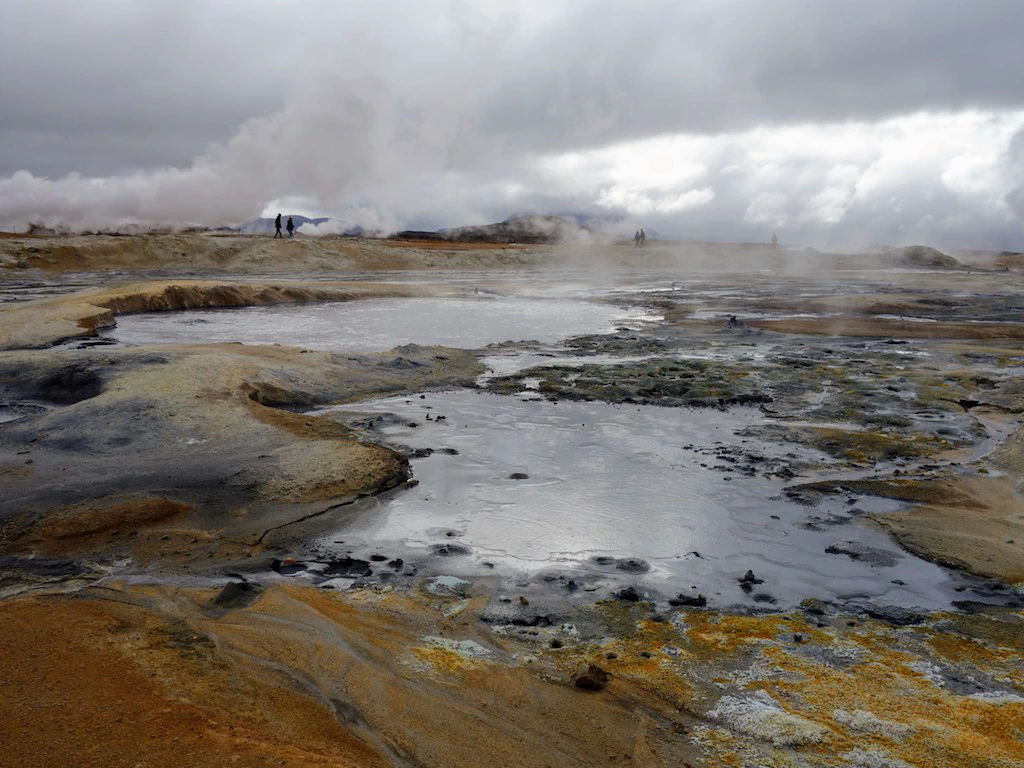
Myvatn is also home to one of Iceland’s best known high-temperature areas: Hverarönd. Steam and hydrogen sulphide rise from the ground everywhere while mud pools bubble away. Nothing that invites you in for a hot bath, but somehow unreal and fascinating.
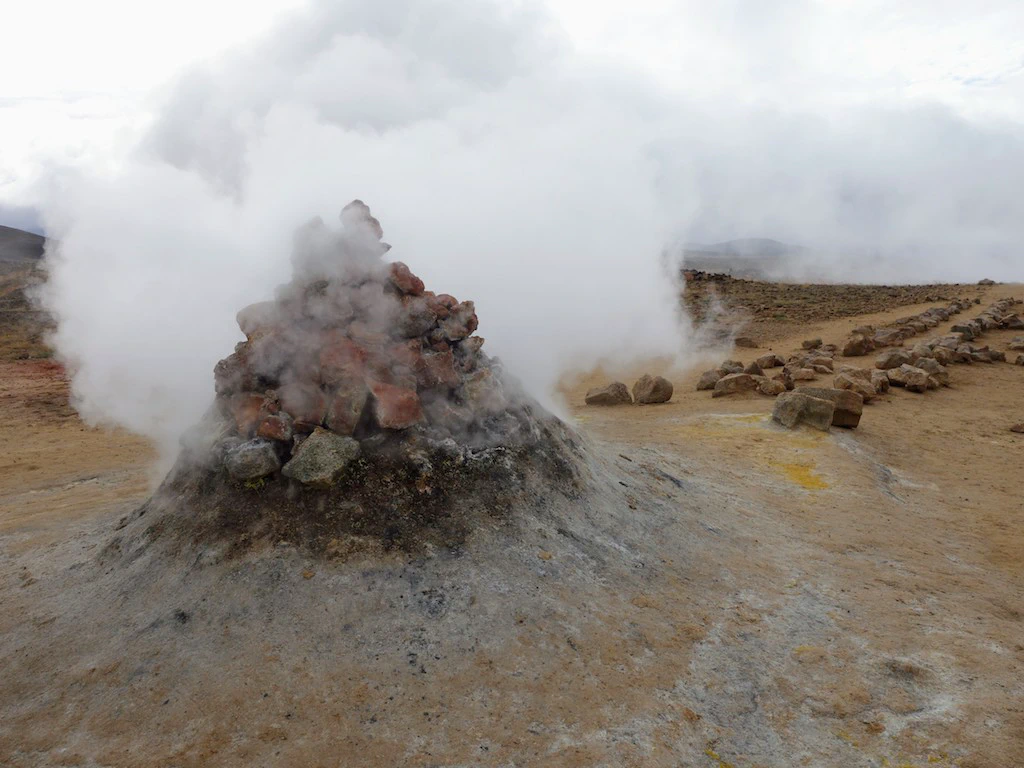
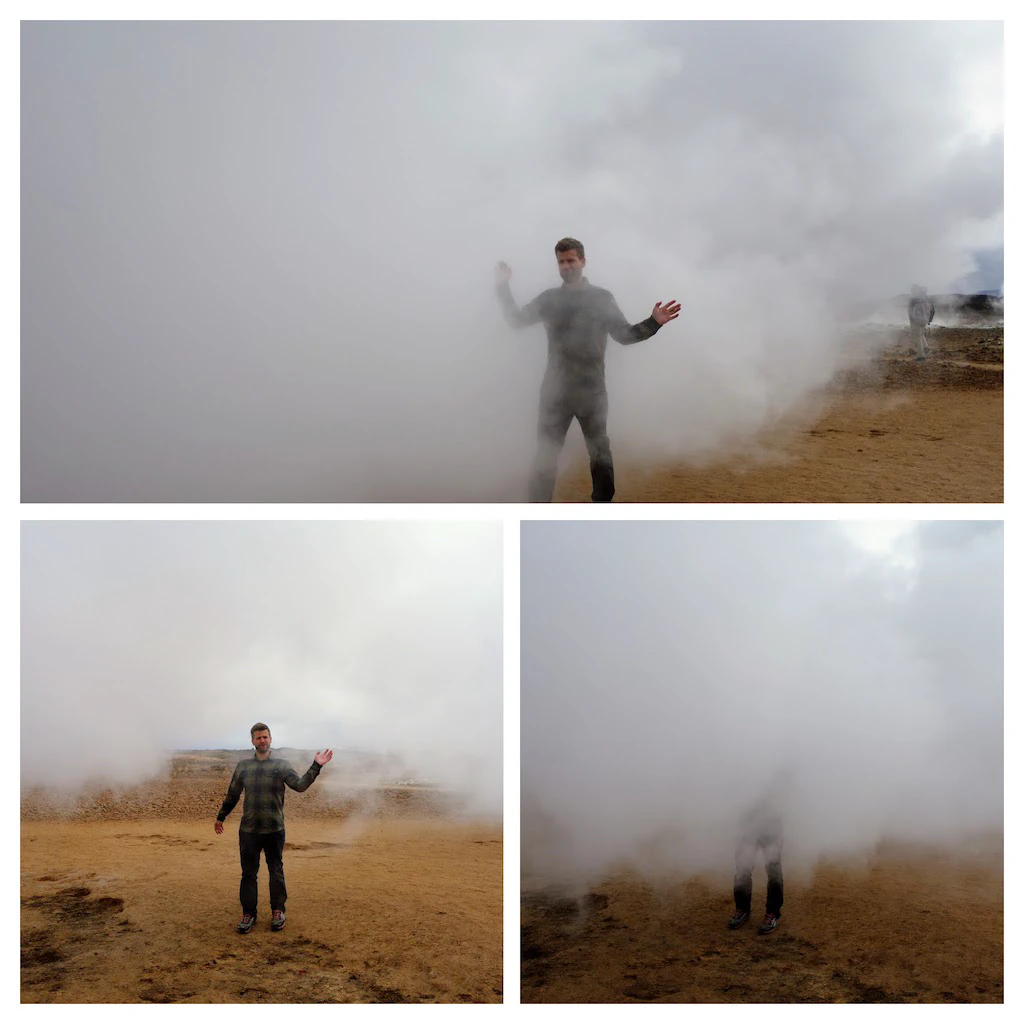
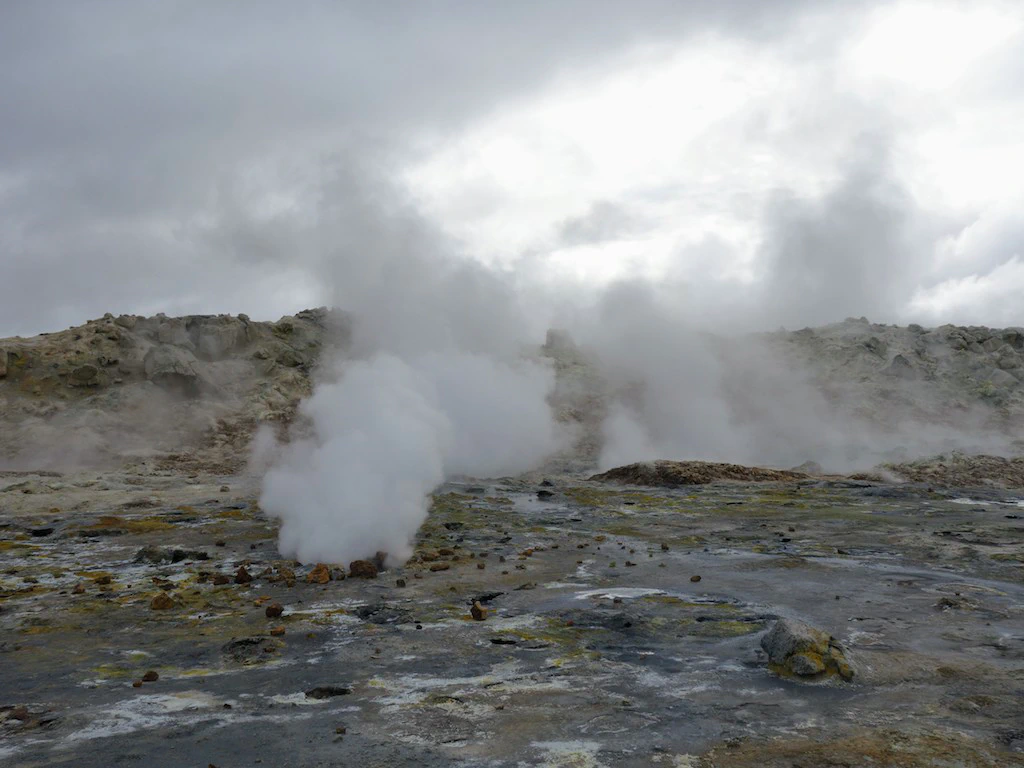
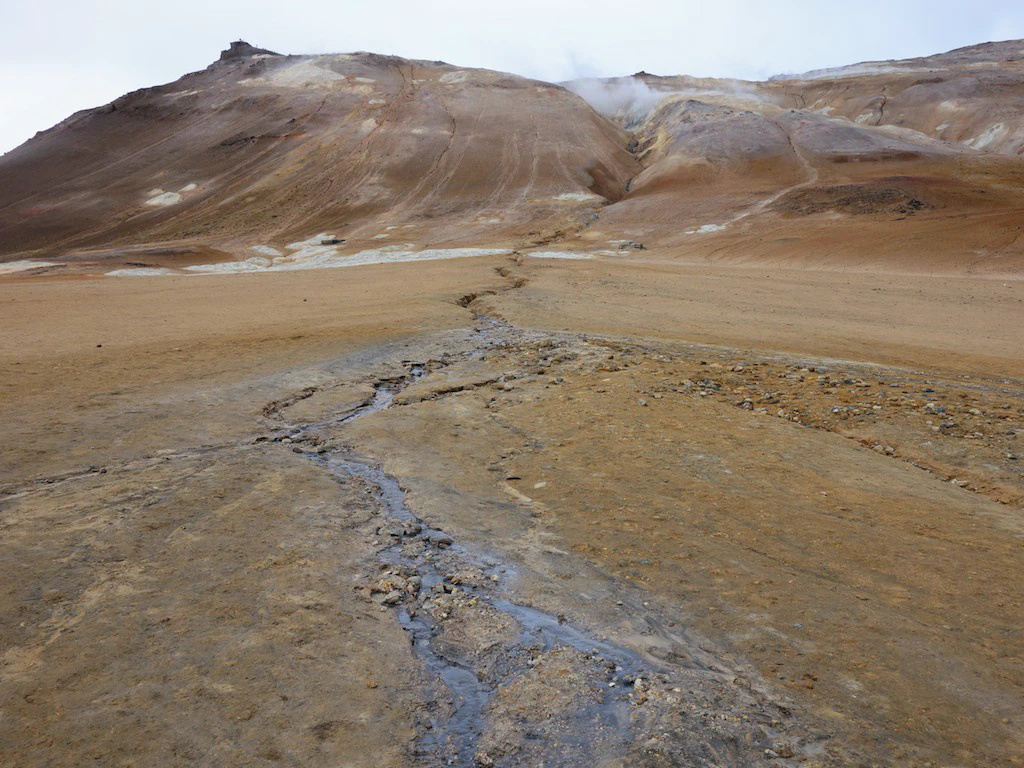
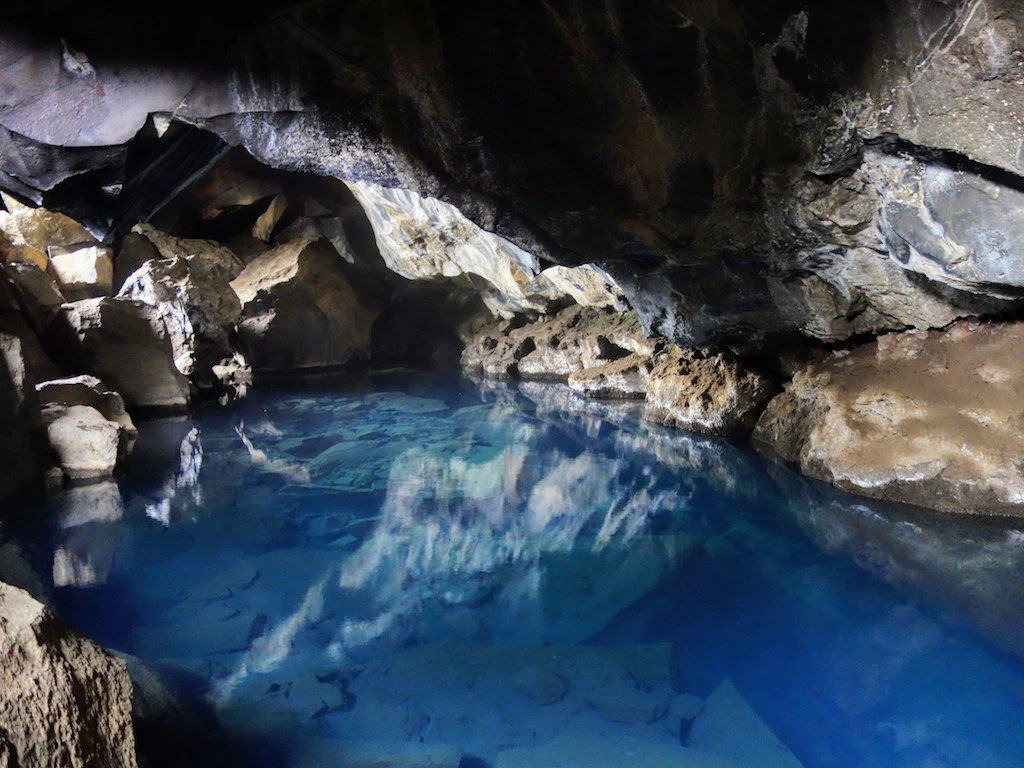
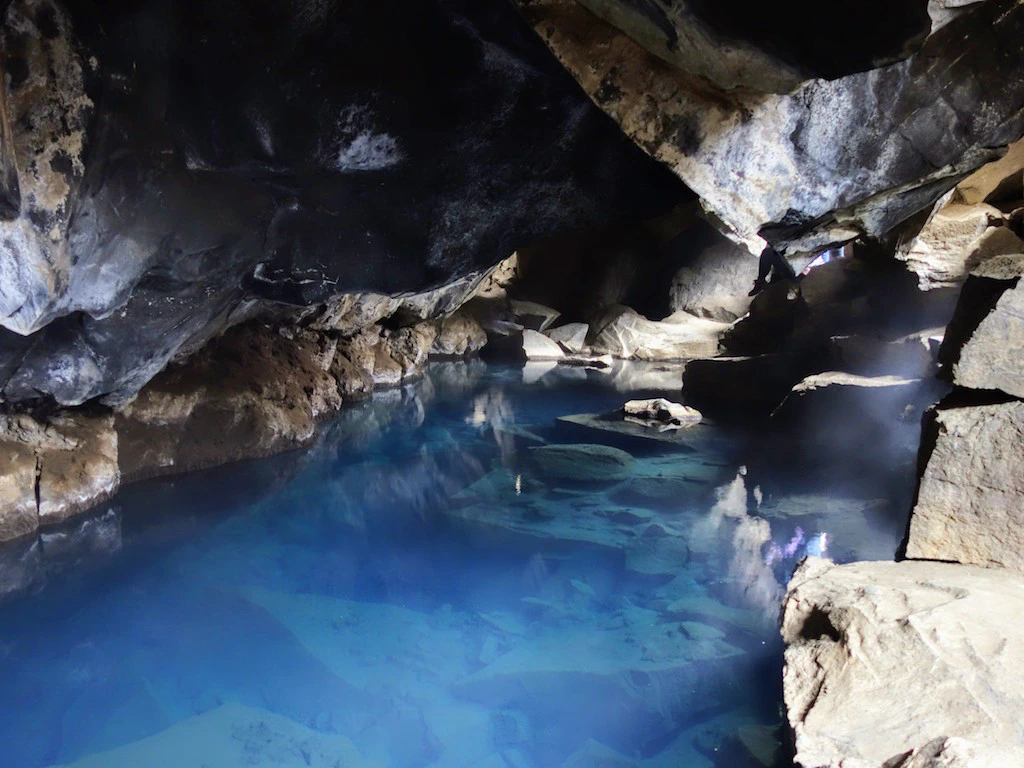
A detour to the hot water cave Grjótagjá is an absolute must. Not only because it is frighteningly beautiful, but also because the Game of Thrones scene between Jon and Ygritte was filmed here — anyone who knows the series knows which scene we mean. Or was supposed to have been filmed here. Nobody knows for certain…
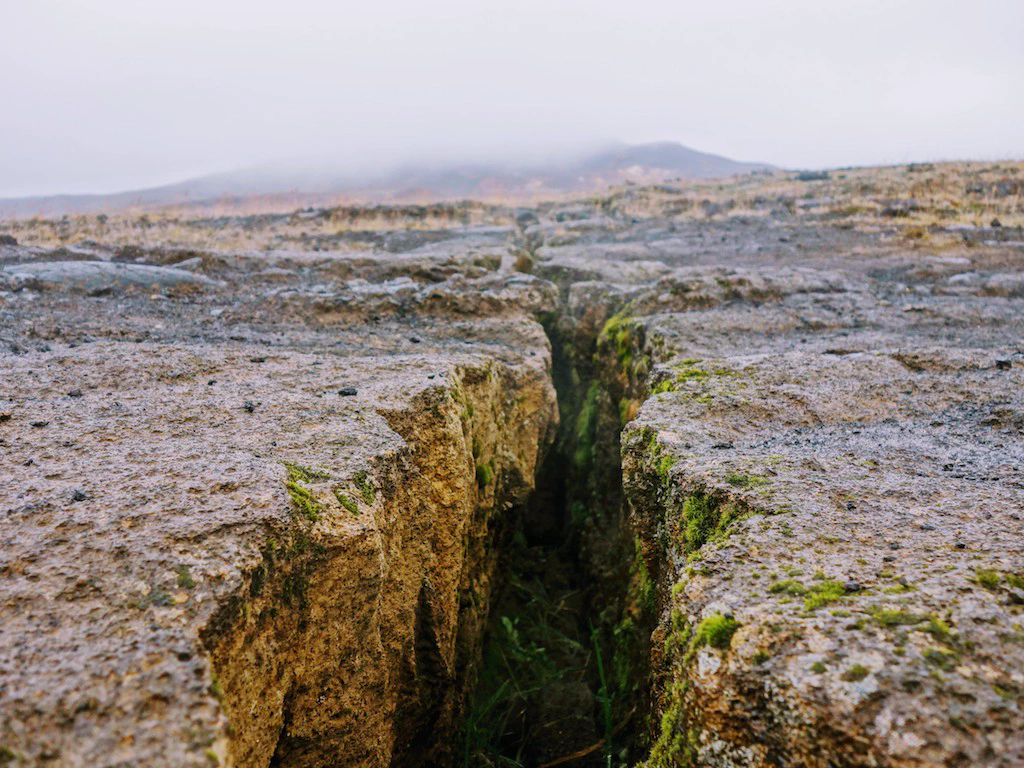
The hot lake lies in the geological fault zone between the American and European continental plates. In the past the cave was (understandably) a popular spot for a long soak. Then the temperature rose to 60°C and it could no longer be used. By now it has cooled back down to around 40°. But for one thing there is a no-bathing sign at the entrances in the rock, and for another you would have to be fairly shameless to strip off in front of the tour buses dropping by at regular intervals.
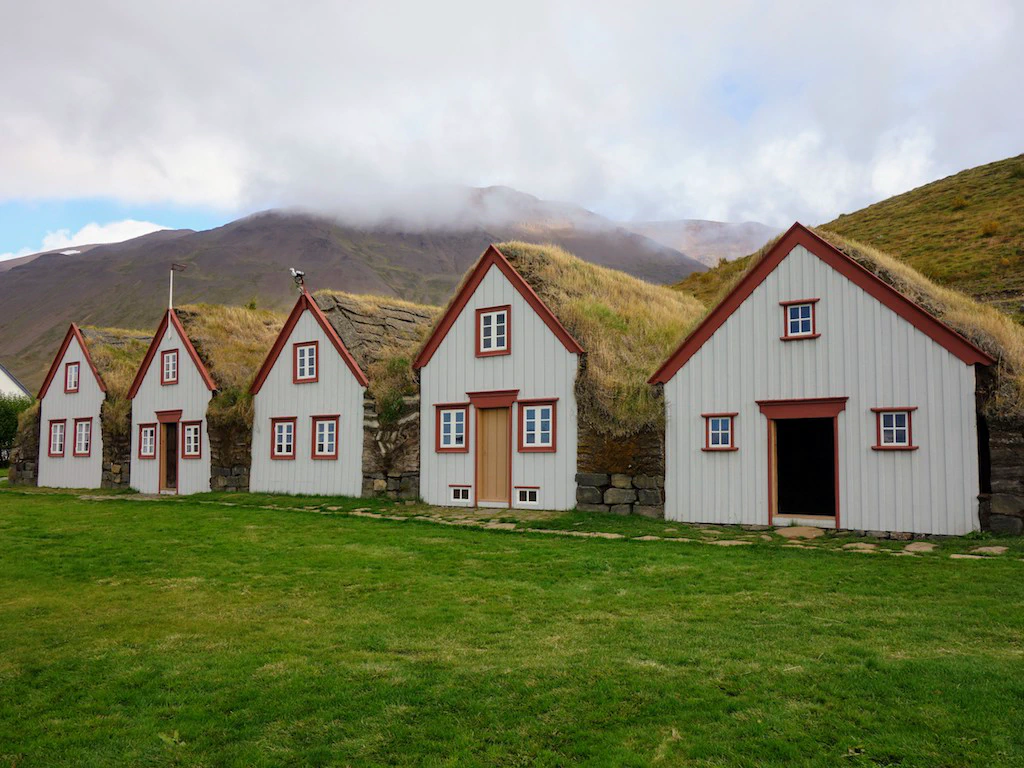
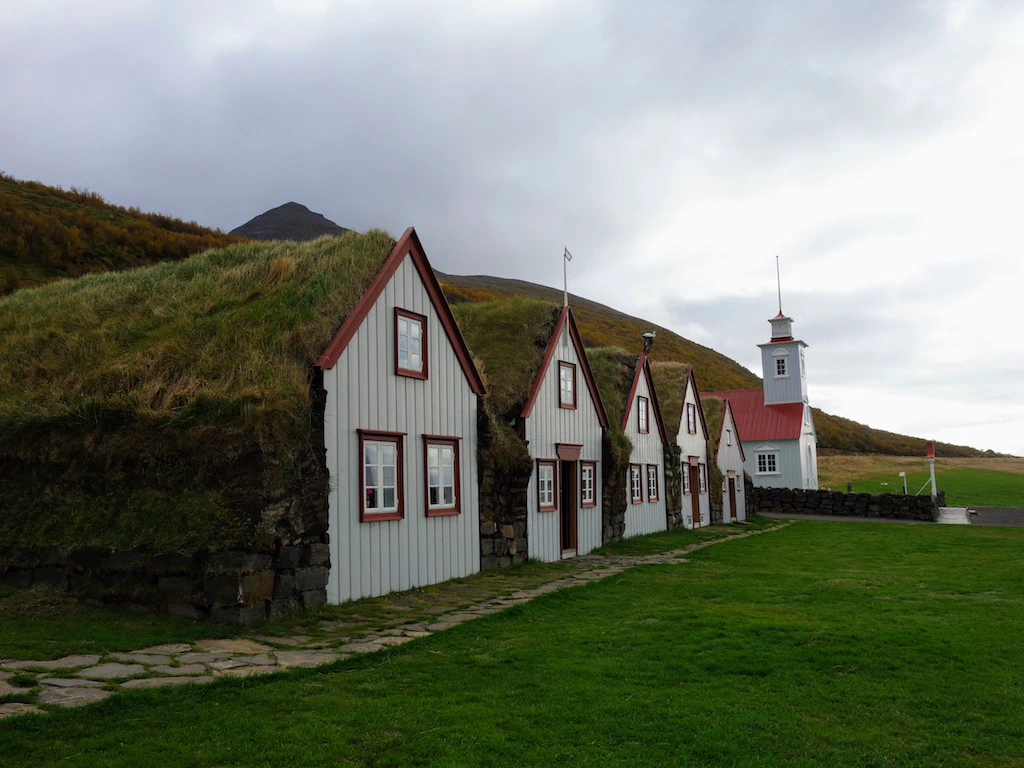
Once we had left the area around Myvatn behind, the weather already looked much friendlier again. I had no idea until then, but in Iceland I turned into a proper turf house fan. The houses are a fascinating piece of history: the building style was a makeshift solution, because Iceland simply did not have enough woodland to supply all the Vikings descending on the island. Honestly, though, I just find them pretty.
Next we drove to Akureyri, with 18,000 inhabitants Iceland’s second largest city. There we met up with Páll, whom we know from New Zealand and who lives in Reykjavik, and spent his work break with him over a coffee.
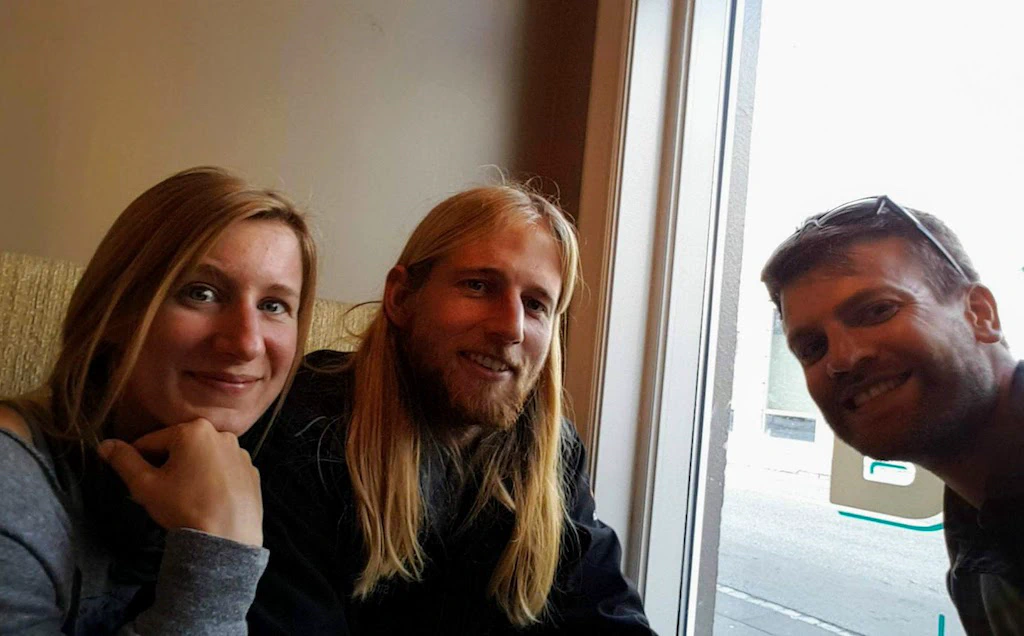
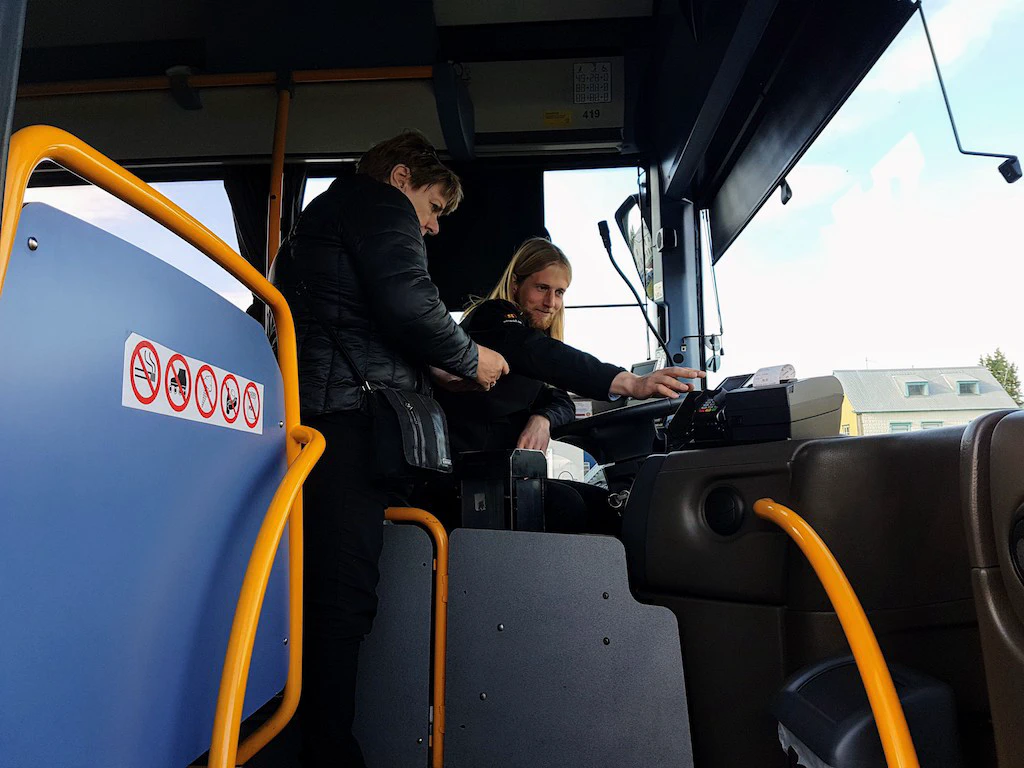
Páll confirmed, by the way, that the aurora really had been exceptionally active the previous night, to the point where he pulled his bus over at the roadside to enjoy the spectacle. So we had simply been in the wrong place, with a veil of cloud sitting in front of the lights…
Happily the aurora forecast stood at 7 = very strong aurora for that evening too. At the same time you have to check the cloud cover — and bingo, you know where to be for the best aurora viewing. In theory, at least.
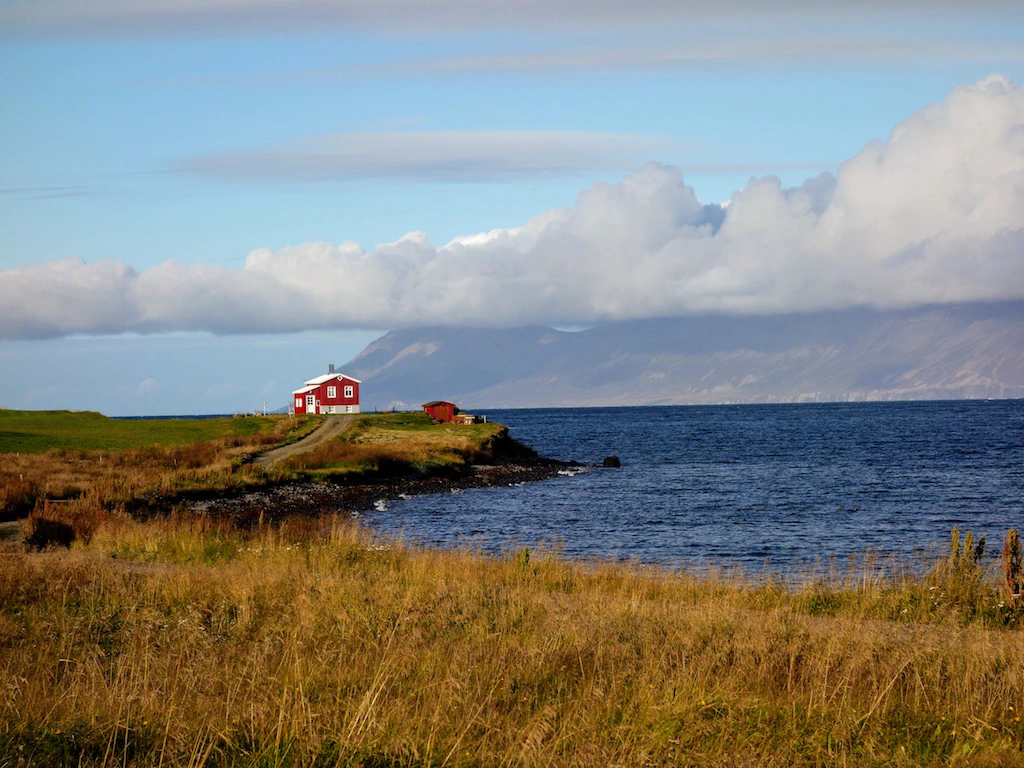
Páll recommended we drive along the peninsula and fjords north of Akureyri: the road was new, he said, and the landscape unique. And ignoring a local’s tips would be sacrilege! And sure enough: it was really, really lovely. We would have loved to pitch our tent somewhere out there. But the cloud forecast showed a cloud layer over the area = not good for northern lights.
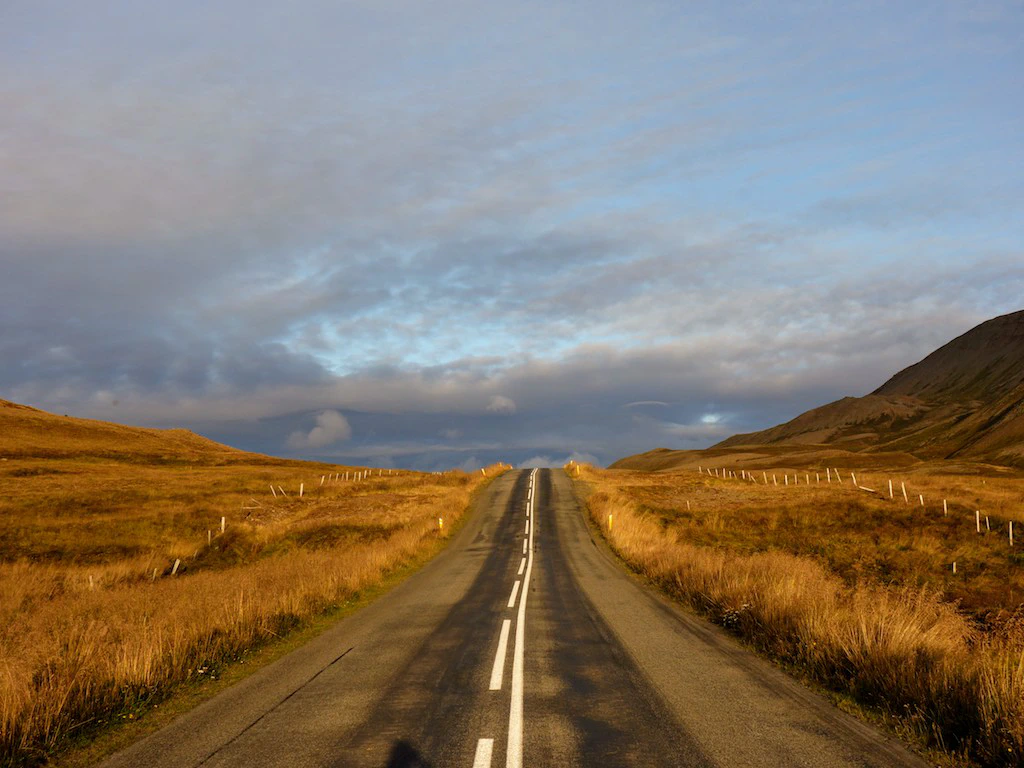
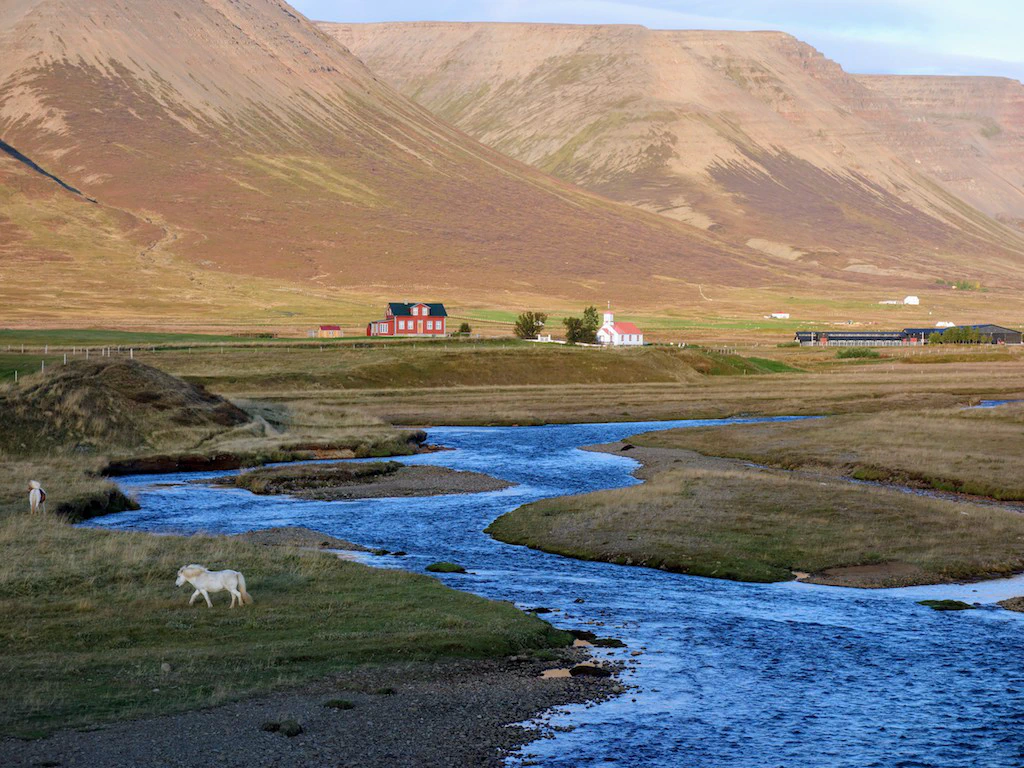
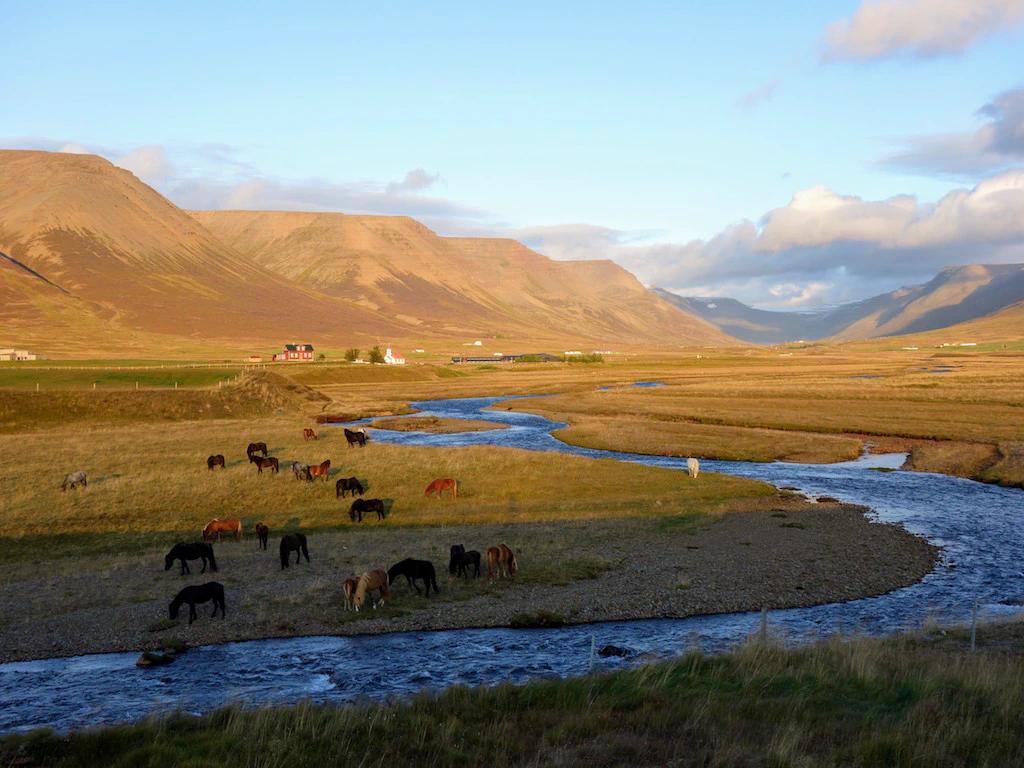
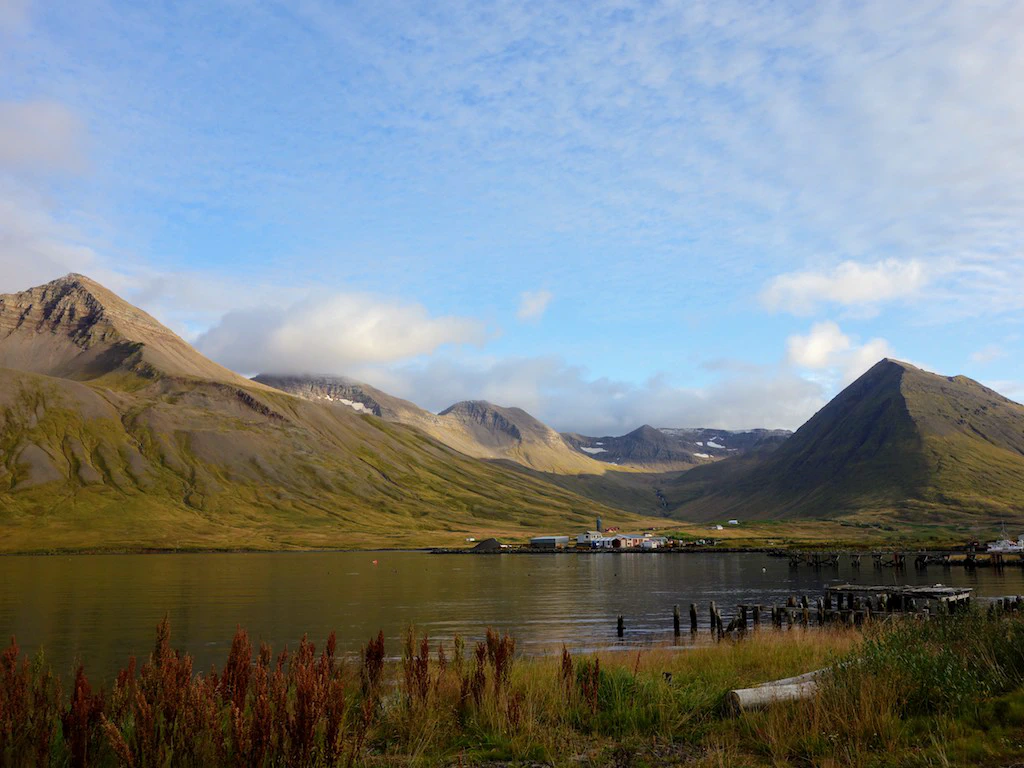
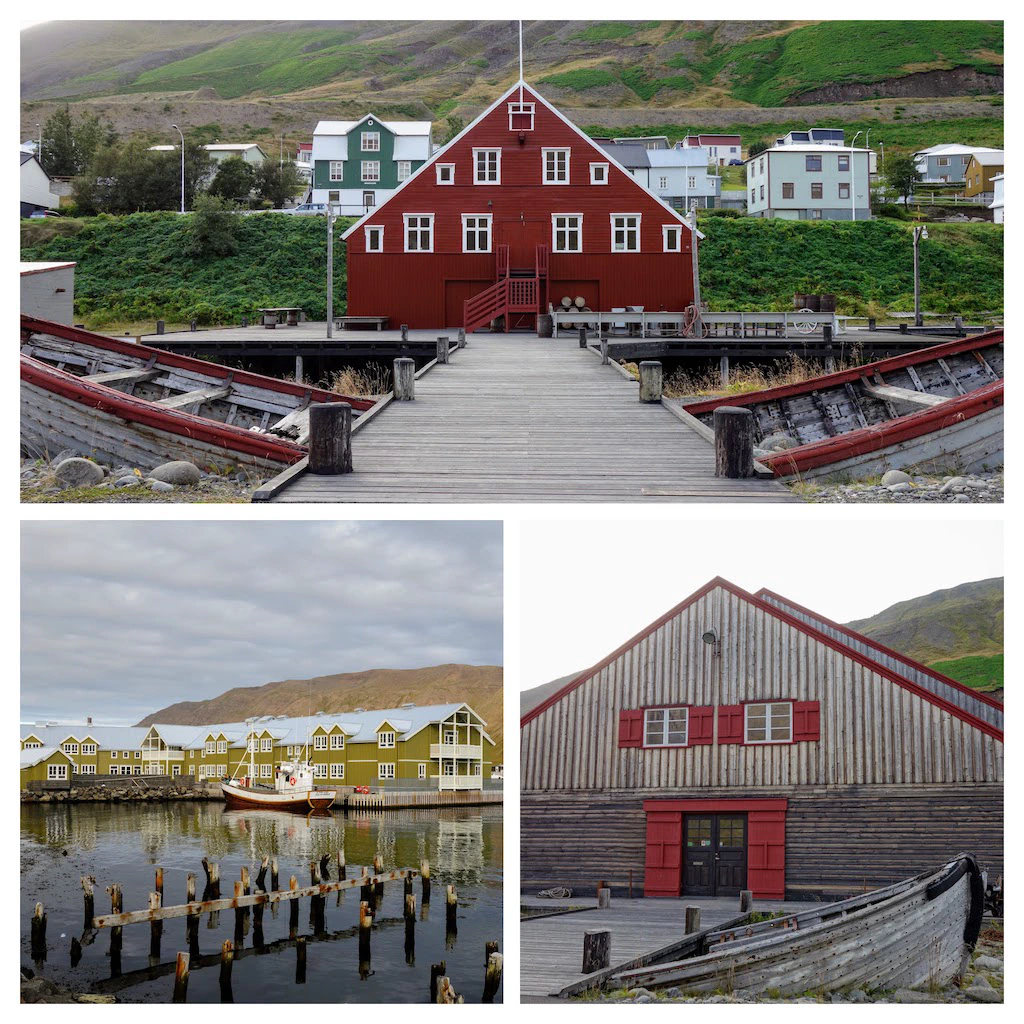
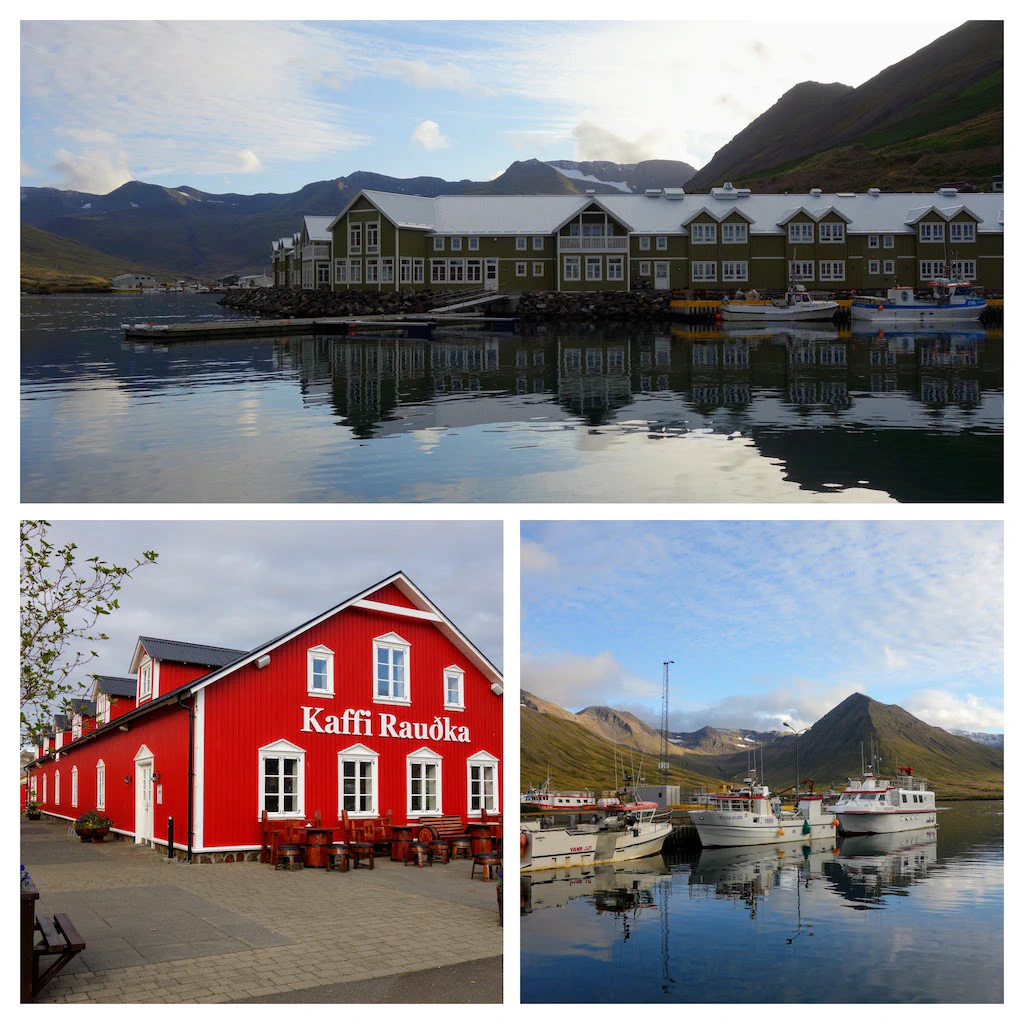
In the end we pitched our tent at a private campsite in Varmahlíð. Mind you, at barely 4 euros per person it was practically given away. Elsewhere we tended to pay as much as we would for a private room in Mexico.
The owners told us the northern lights had been up to their enchanting mischief there the previous evening as well. Oh, that would be something!
As it slowly grew dark, I took another look at the aurora forecast. Frozen in shock. Why does it suddenly say a probability of 0? A practically non-existent probability? While we are sitting here under a crystal clear starry sky?!?