
We arrived in Guatemala with the rainy season and on our very first weekend it poured so hard that every street turned into a river. The following weekend a hurricane was due to hit the coasts of Mexico, Guatemala and Honduras, which would have meant masses of rainfall inland as well. Happily the hurricane skirted the mainland, but it still brought heaps of rain for our second weekend in Panajachel. So it was only last weekend that the weather looked promising enough to explore the surrounding countryside.
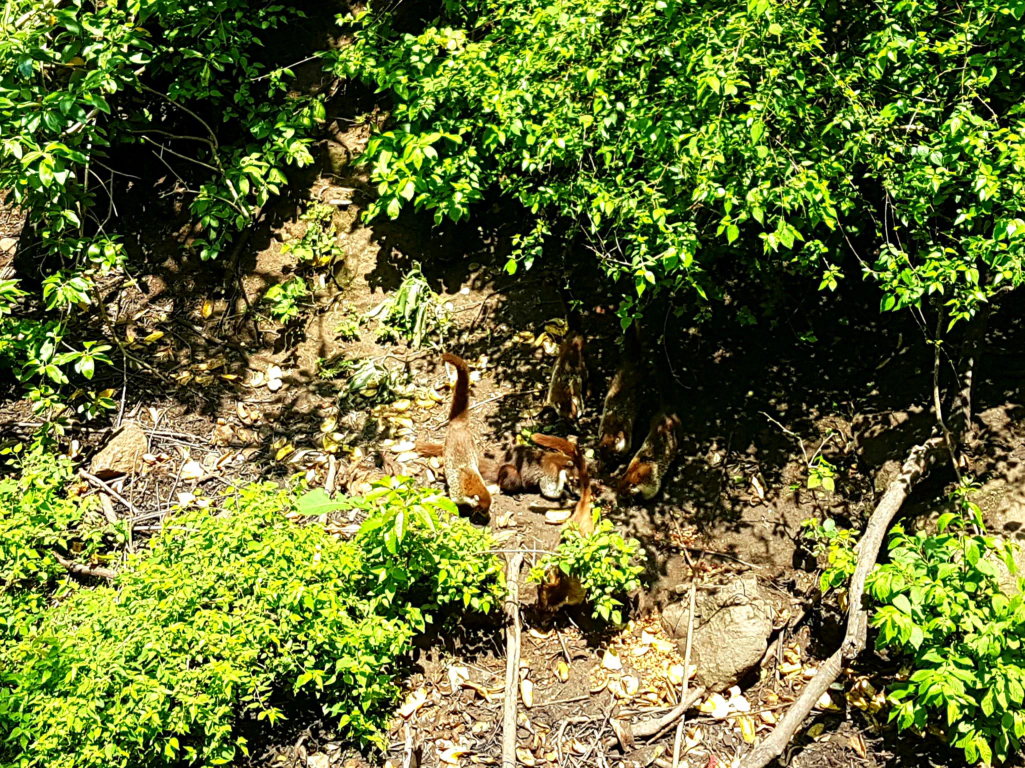
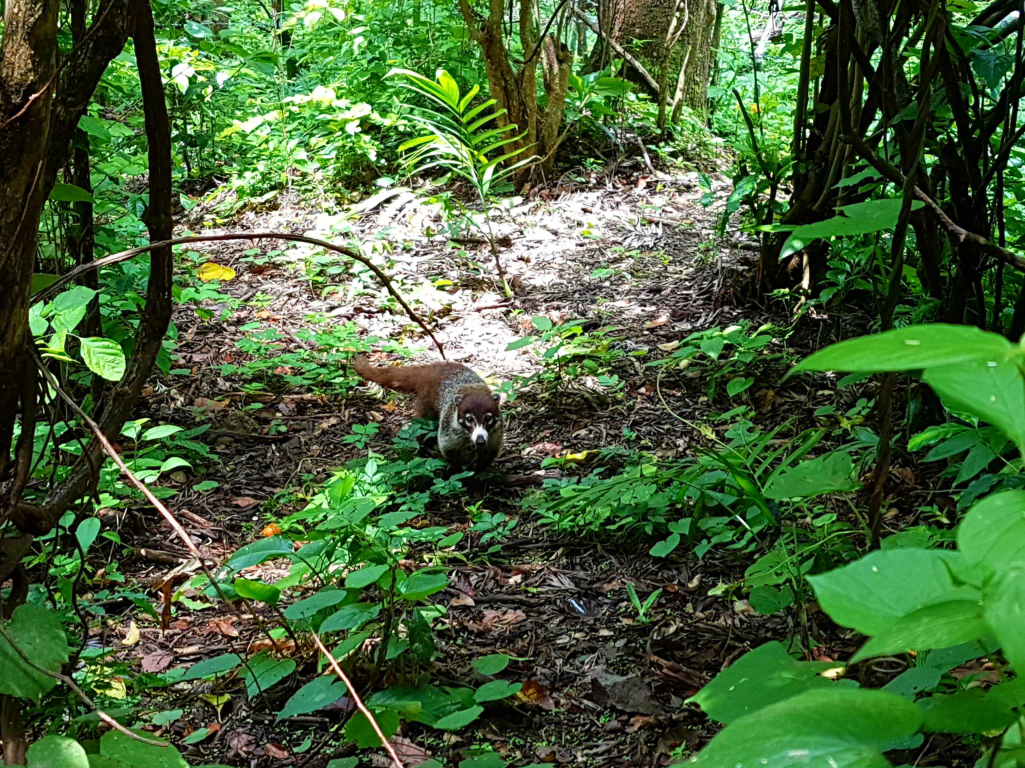
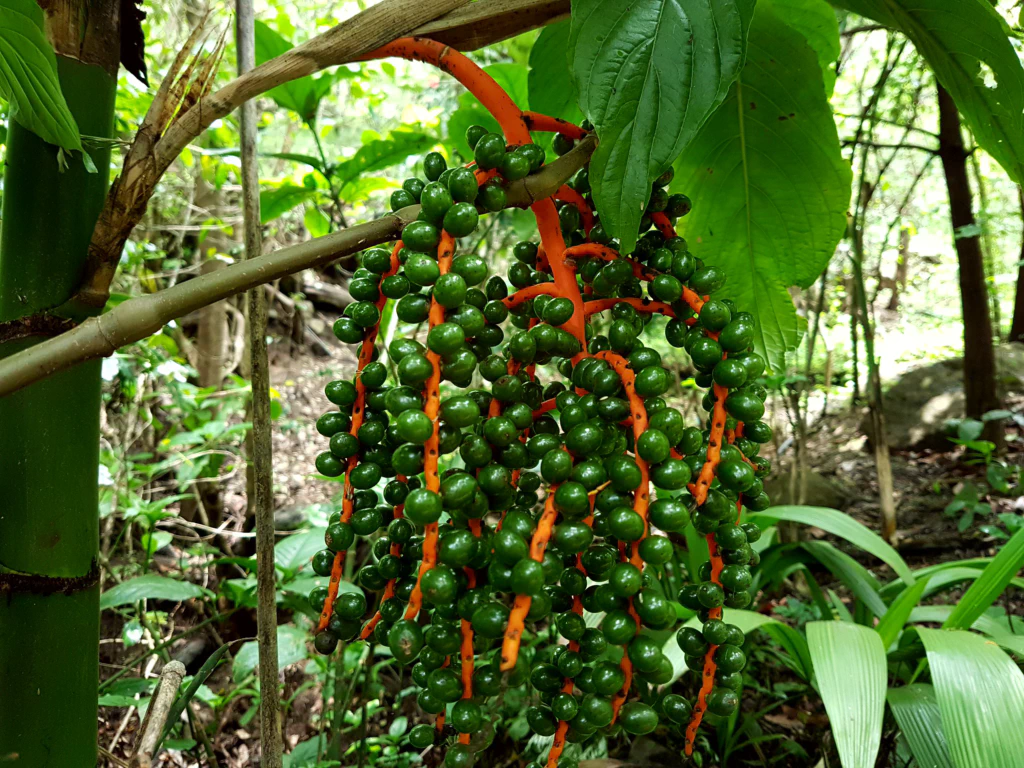
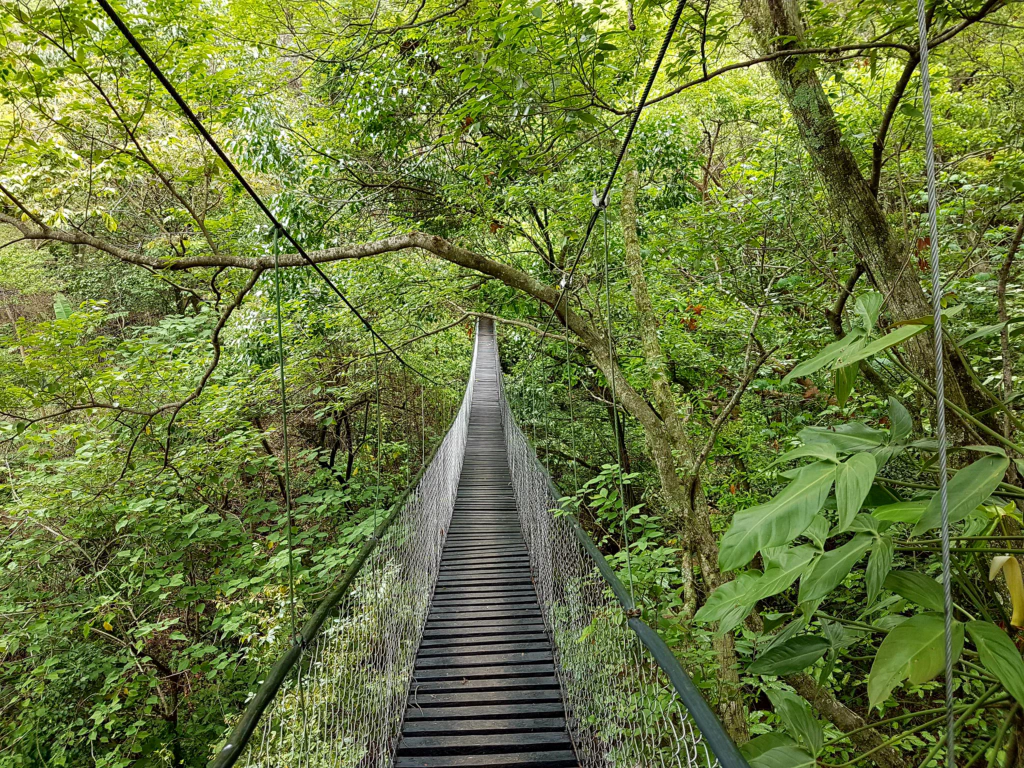
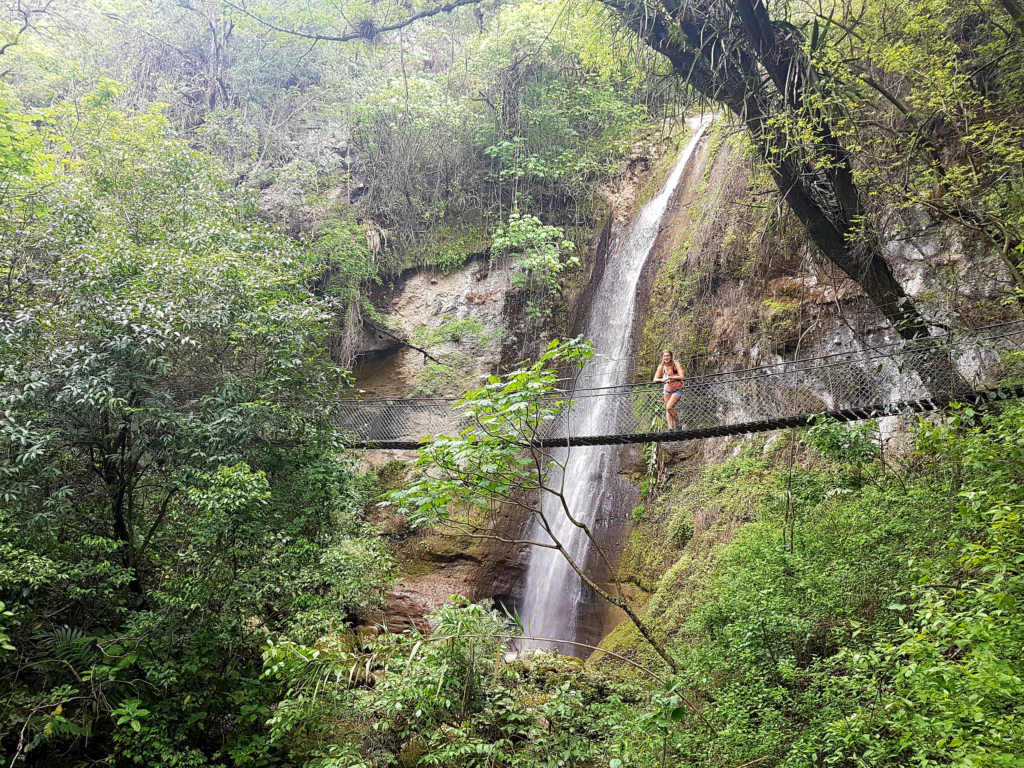
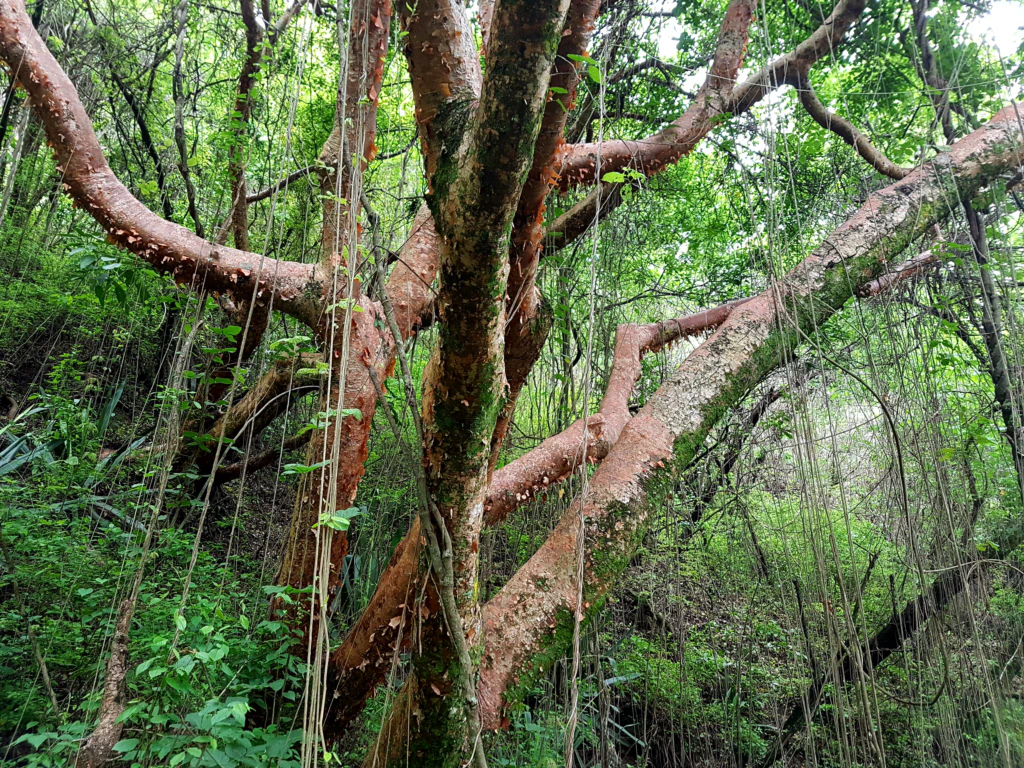
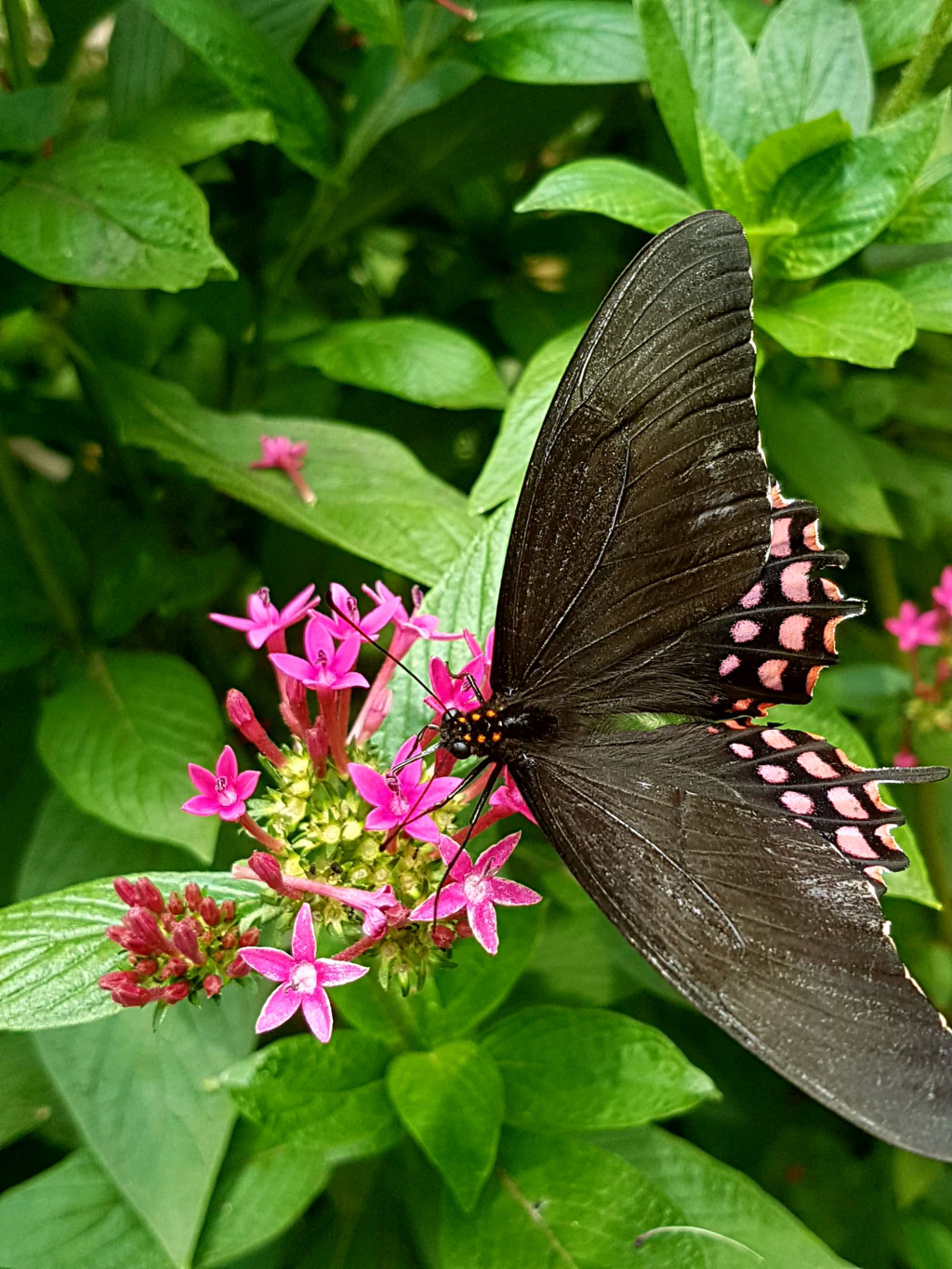
On Saturday we went to Panajachel’s small but excellent nature reserve. It is home to a colony of monkeys, coatis, a waterfall, several suspension bridges, a coffee plantation (which we never found) and a butterfly house.
It was in fact far smaller than all those attractions would suggest. So we had walked through it within an hour.
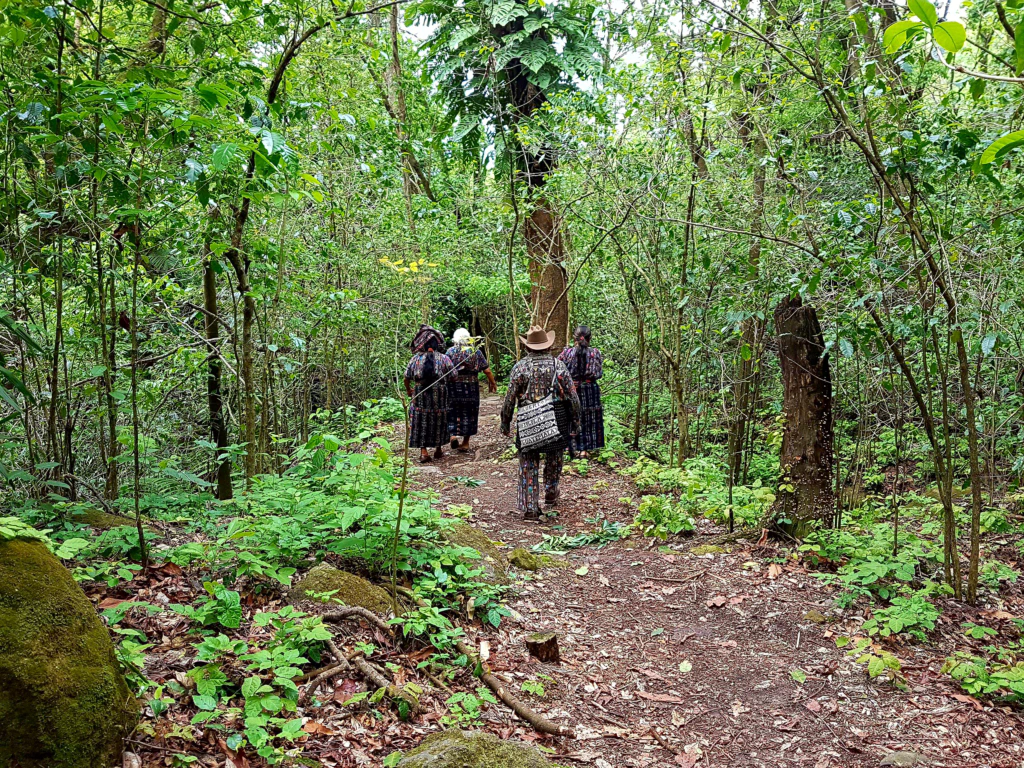
Around Lago de Atitlán there are numerous opportunities for long walks. The paths were not laid out for the recreation of tourists, though, but serve the Maya as footpaths between the mountain villages. There is accordingly no signposting.
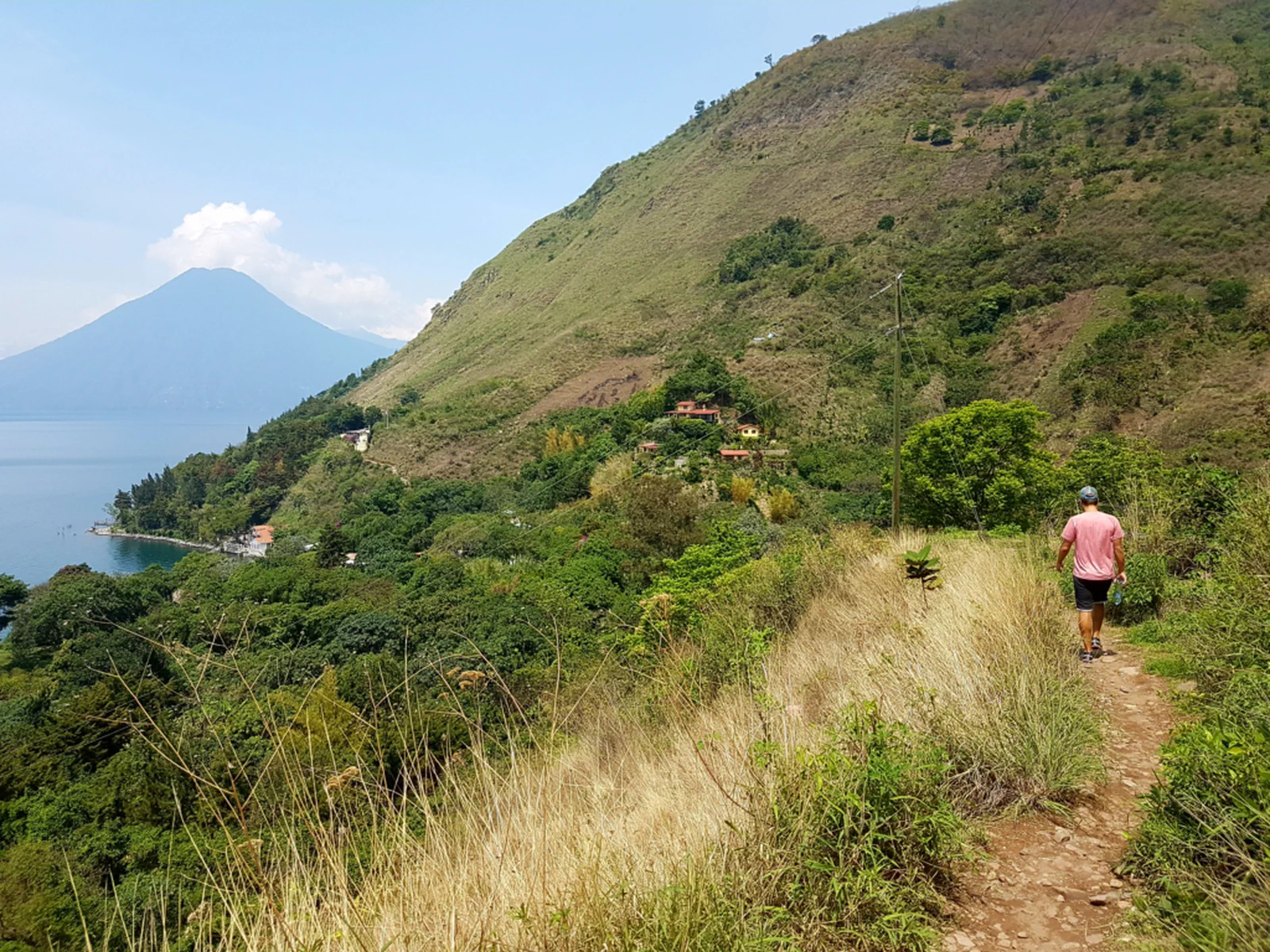
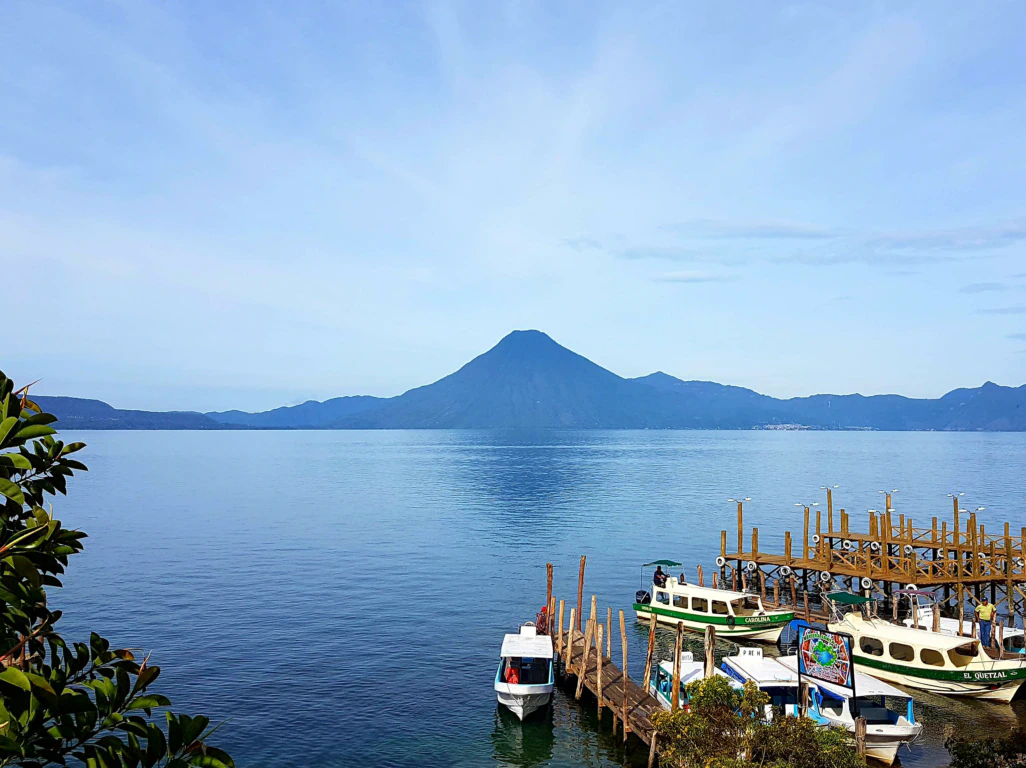
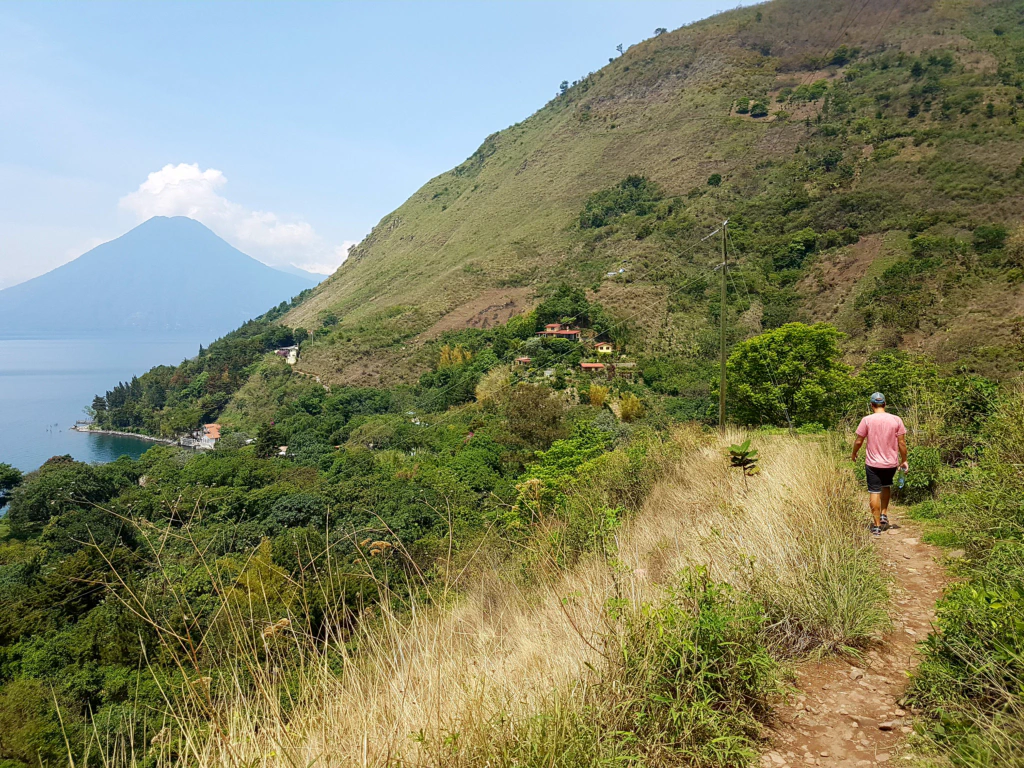
On Sunday we tackled the route from Santa Cruz la Laguna via Jaibalito and Tzununa to San Marcos la Laguna along the cliffs. The first stretch in particular is said to offer one of the finest views of the lake and its three volcanoes San Pedro, Tolimán and Atitlán.
From Panajachel you travel to Santa Cruz by lancha - the motorboat that functions like a bus on the lake and calls at every place where the captain spots people on the jetty. A “we leave in five minutes” here means: once every passenger has safely stowed their market shopping (sacks of maize, for instance). Sunday is market day in Panajachel, so a particularly large amount of goods was loaded. It turned into more like half an hour of waiting.
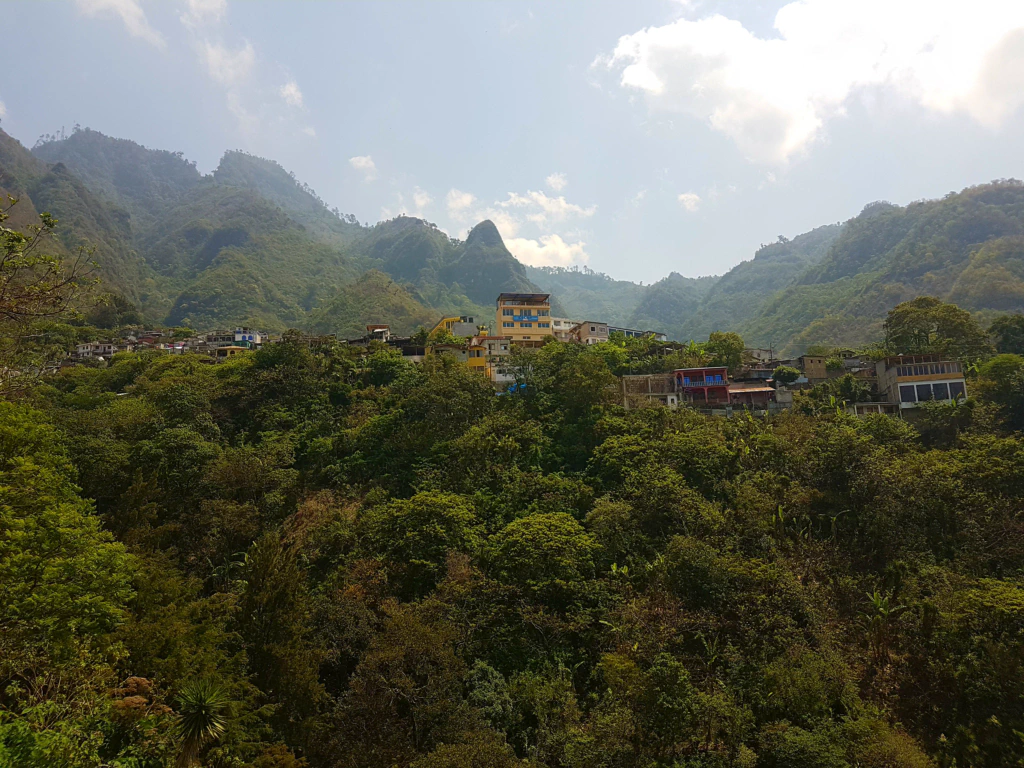
Once in Santa Cruz, a steep path leads up to the village, hiding the “entrance” to our walk halfway up. The challenge lay in finding said entrance, which you certainly will not manage without asking the locals.
As preparation I had read a detailed route description. So detailed that it sounded more complicated and above all more strenuous than it turned out to be. So we first climbed uphill for twenty minutes in the wrong direction, because I assumed it had to be the hardest path.
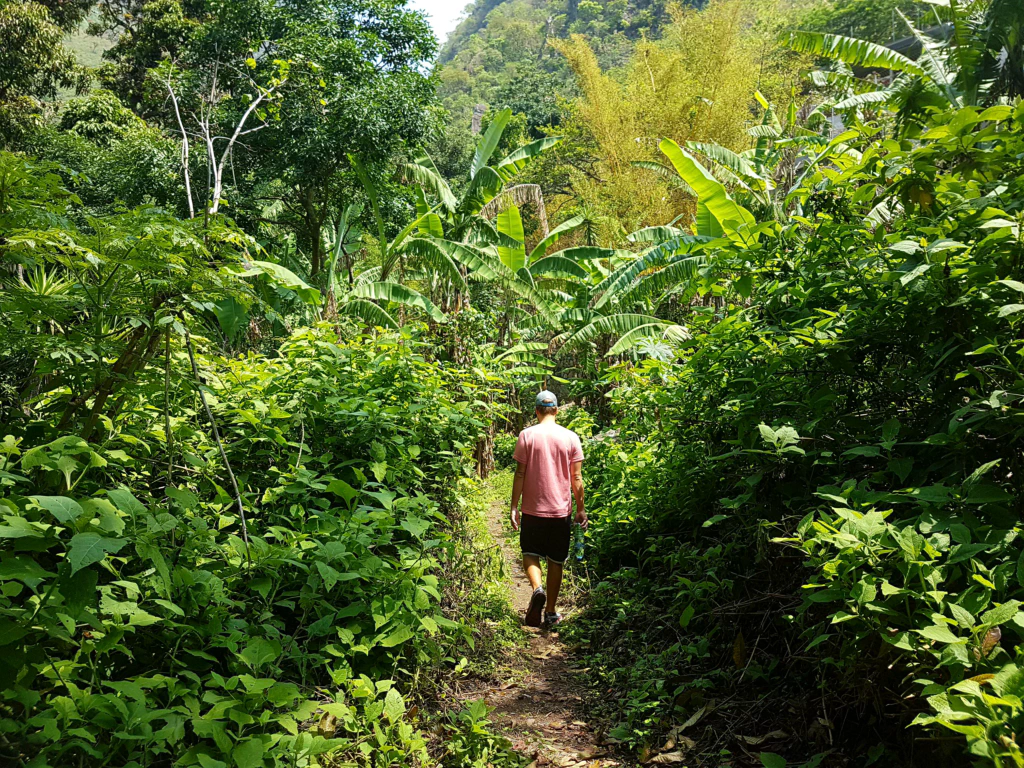
Luckily two Guatemalans were working in the undergrowth and quickly guided us onto the right path. Once on the right path it was idiot-proof and above all in top condition! I mean - hey, this is the rainy season and at times it pours for hours on end, and the paths are a hundred times better than in New Zealand!?!
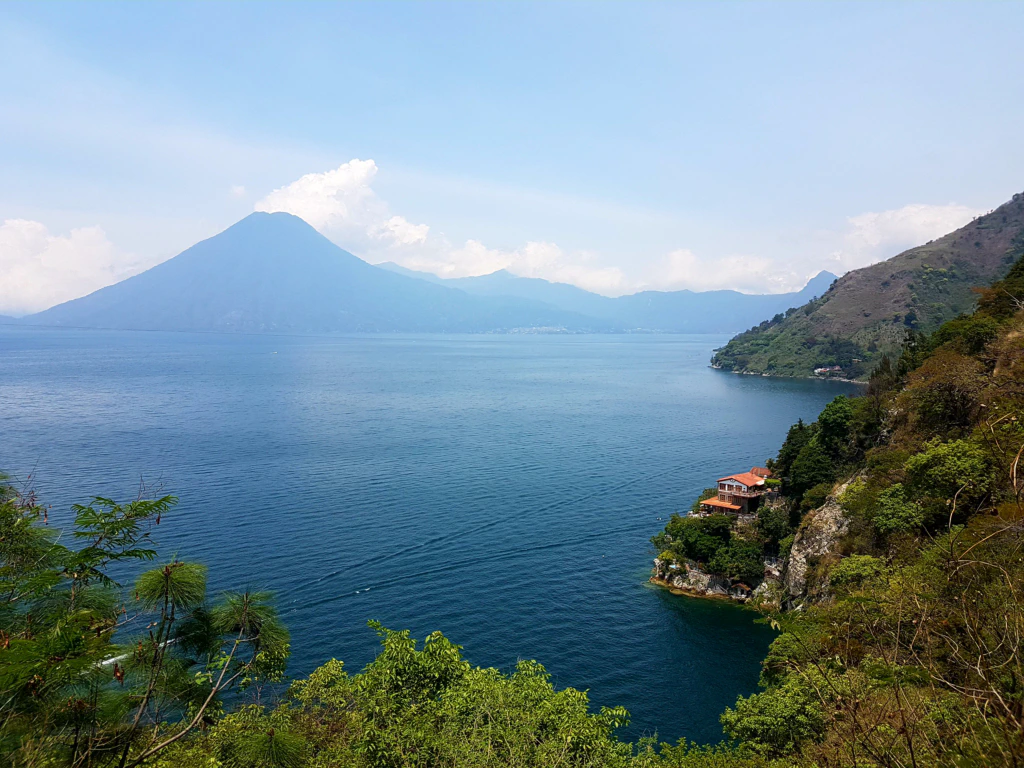
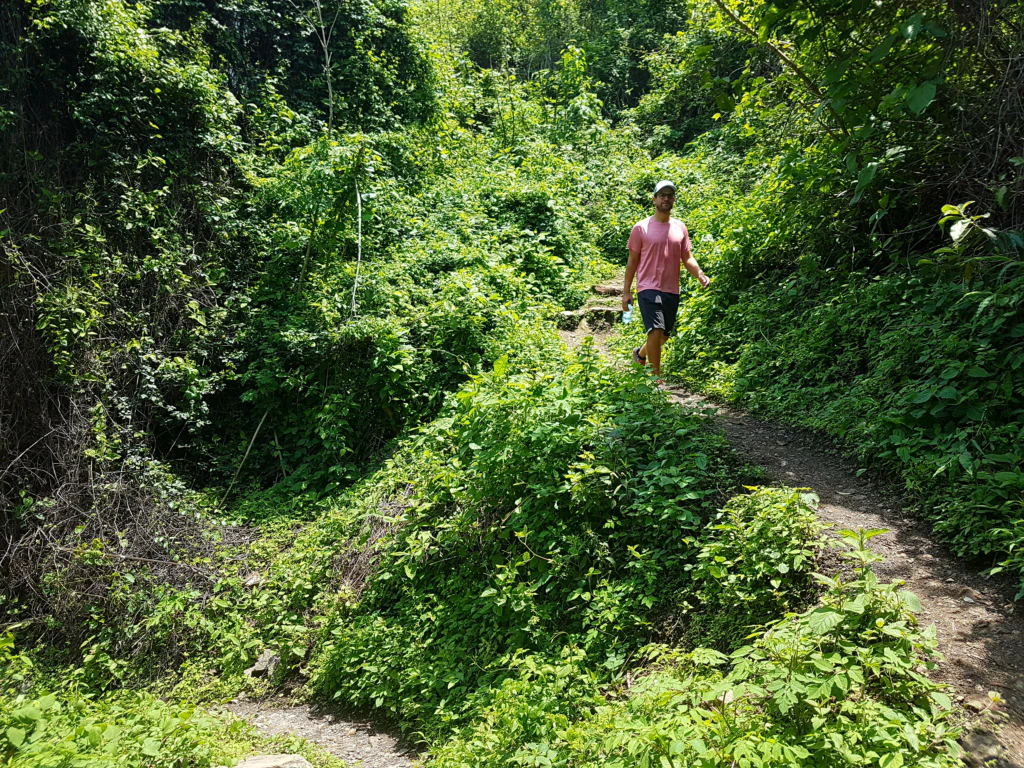
In our first intermediate destination, the little village of Jaibalito, we were treating ourselves to a cola from a small shop when a boy pointed out that the path to Tzununa was dangerous. Dangerous? Yes, the path was not good and in places did not even exist.
Hm. My first reaction was relief that the path was not supposed to be dangerous because gangs are about (which can definitely happen on other stretches around the lake!). And if we could not get through, we could always turn back, right?
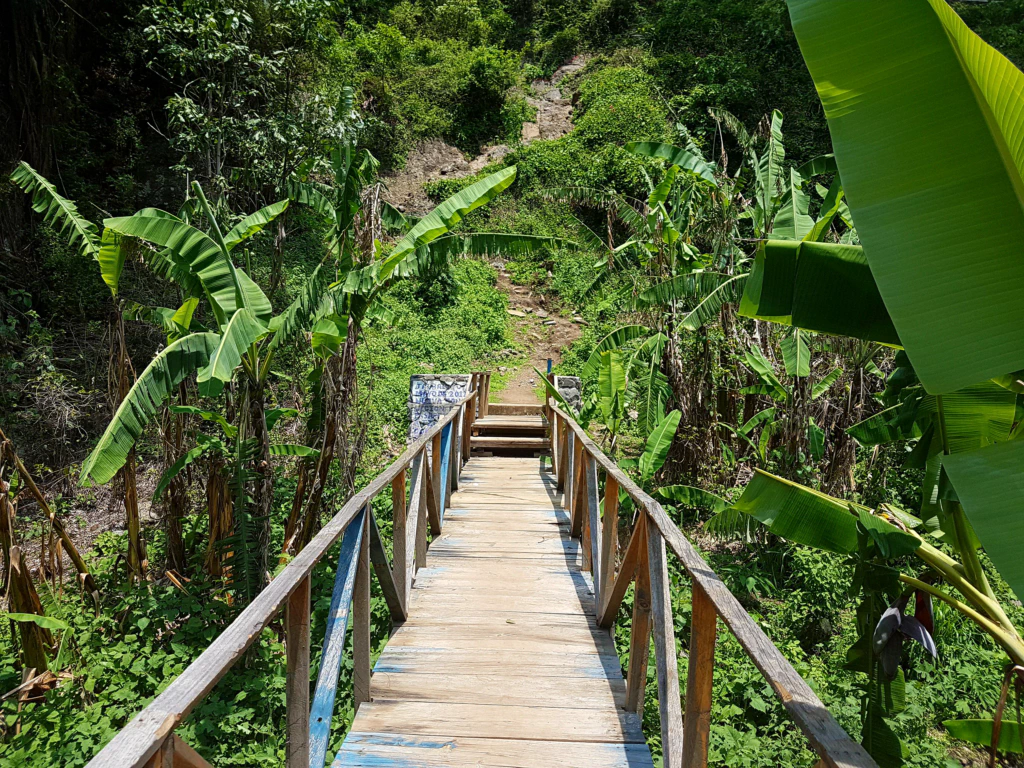
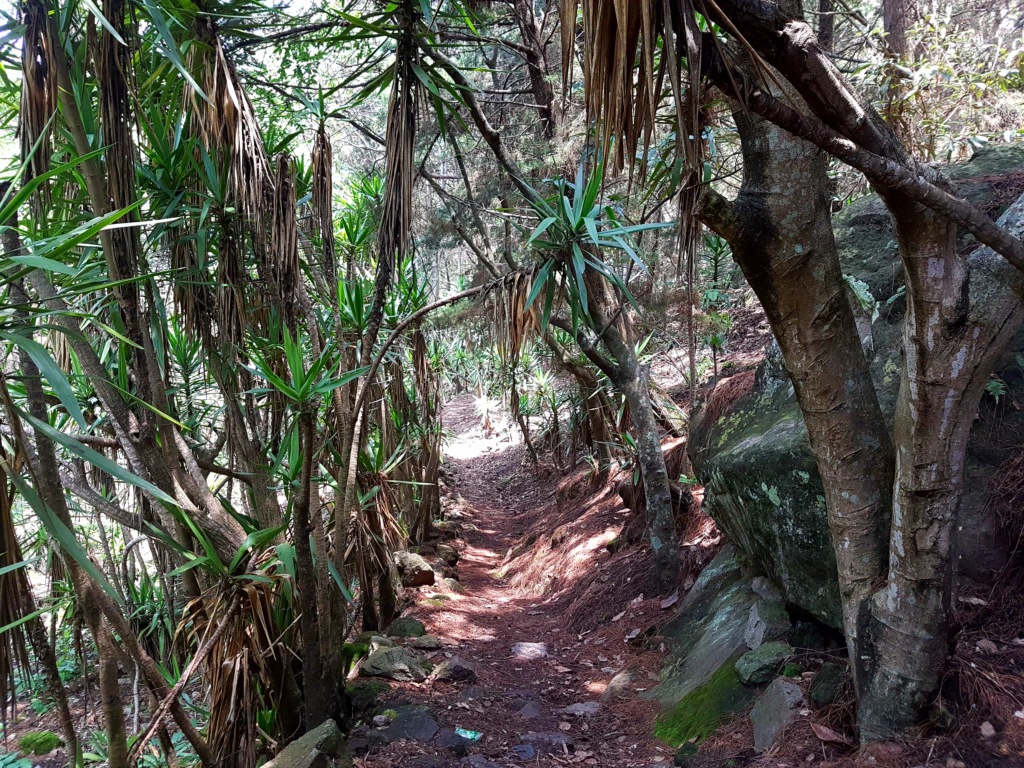
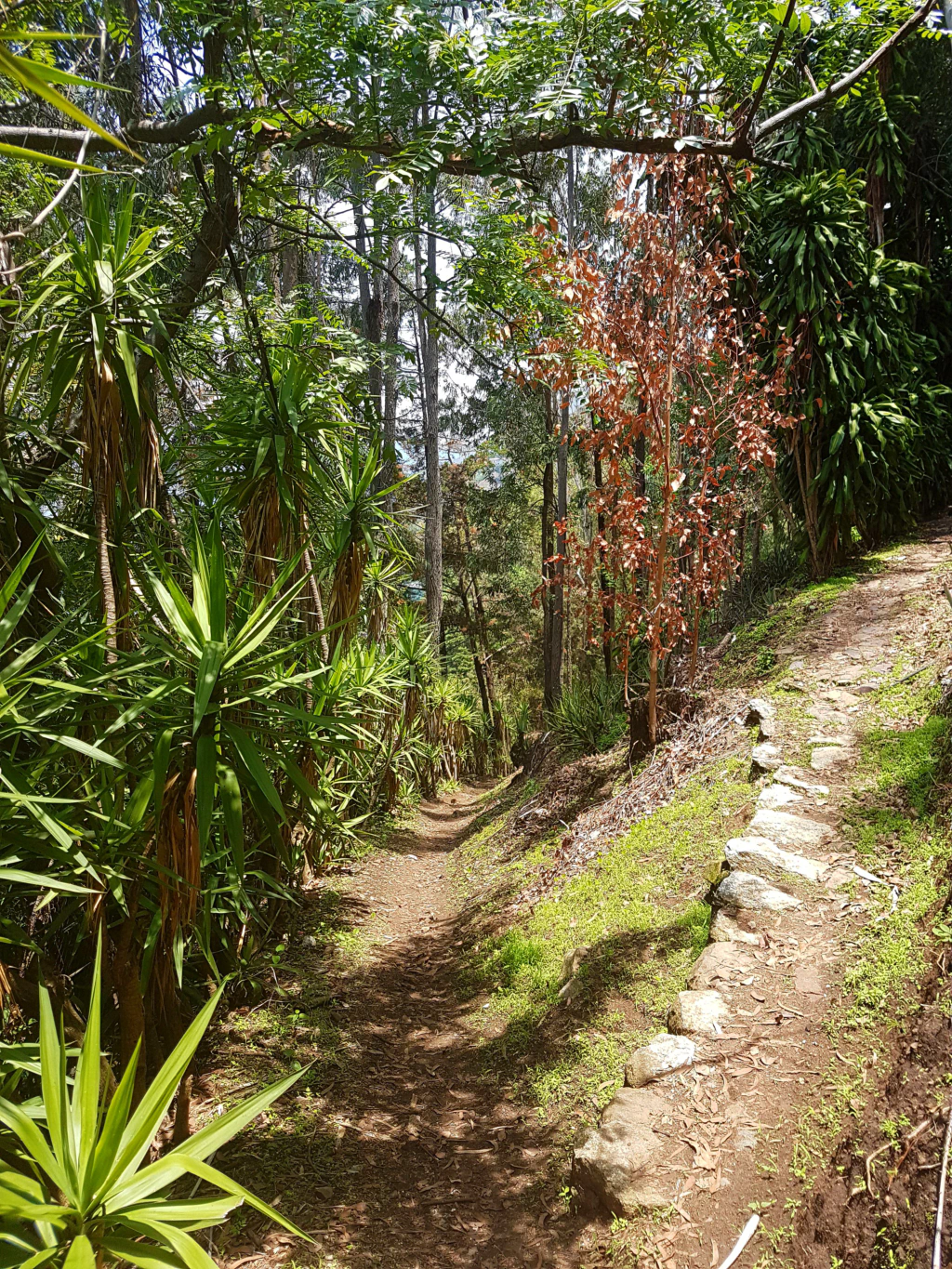
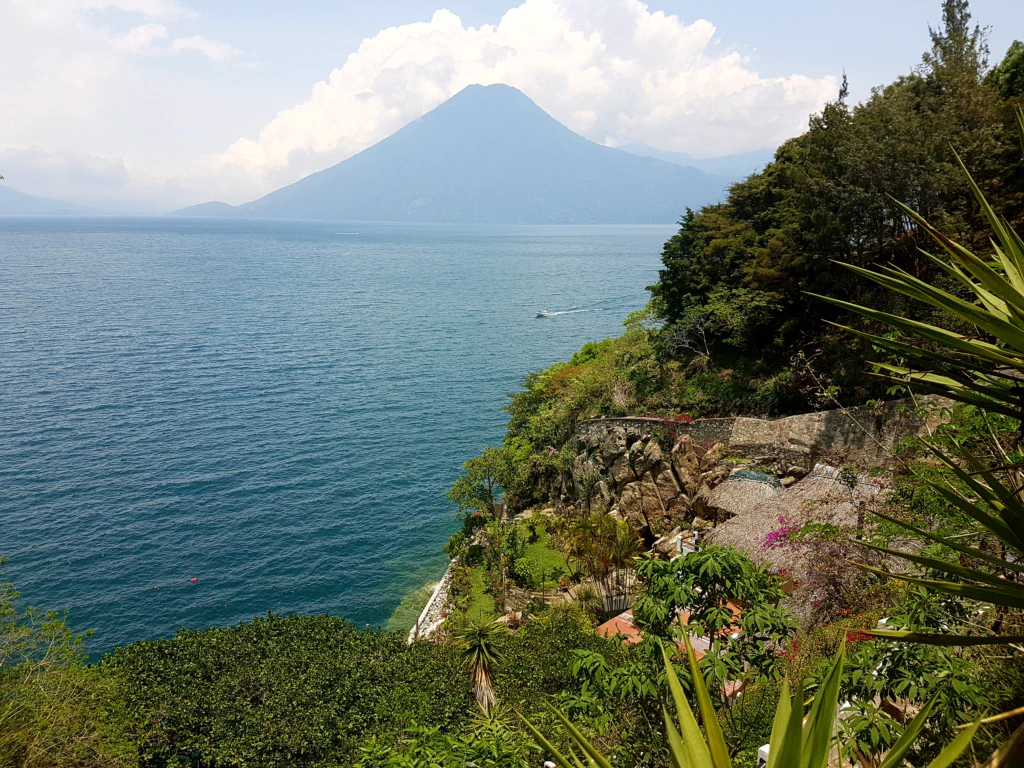
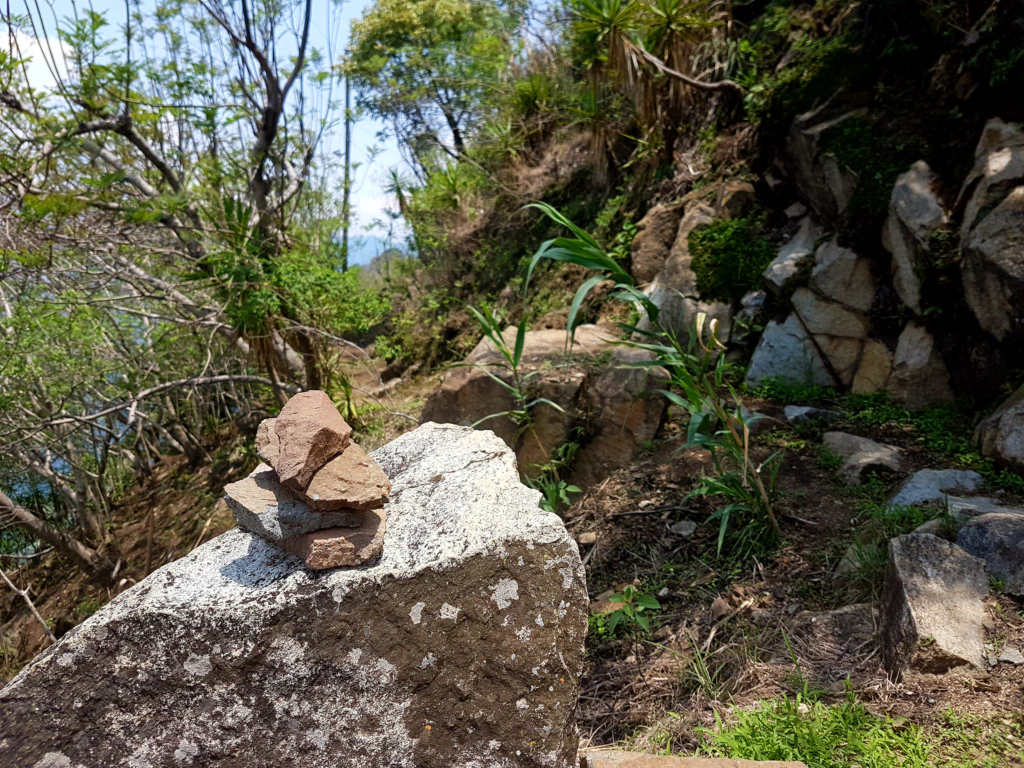
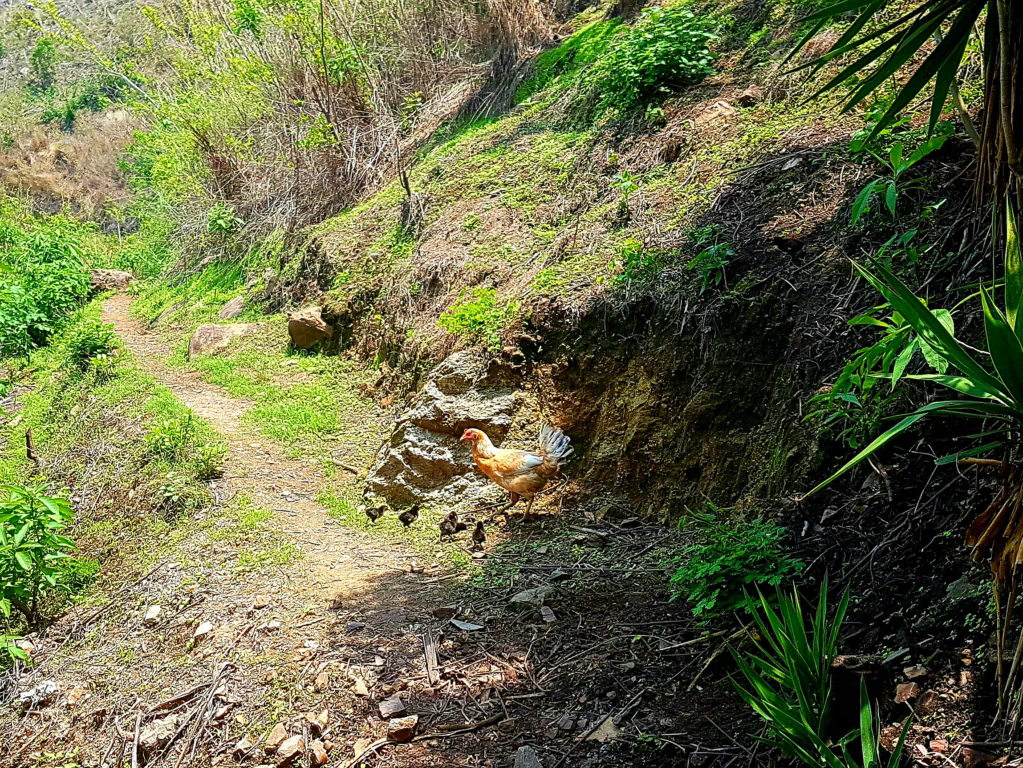
Verdict on the dangerous path to Tzununa: Guatemalans must have far higher quality standards for their beaten tracks than New Zealanders. There was no mud, no one-foot-wide paths, no collapsed sections, no river crossings. No stumbling, no slipping, no falling over. Only one short scrambling section, at the end of which you immediately find a small cairn and the certainty that you are on the right track.
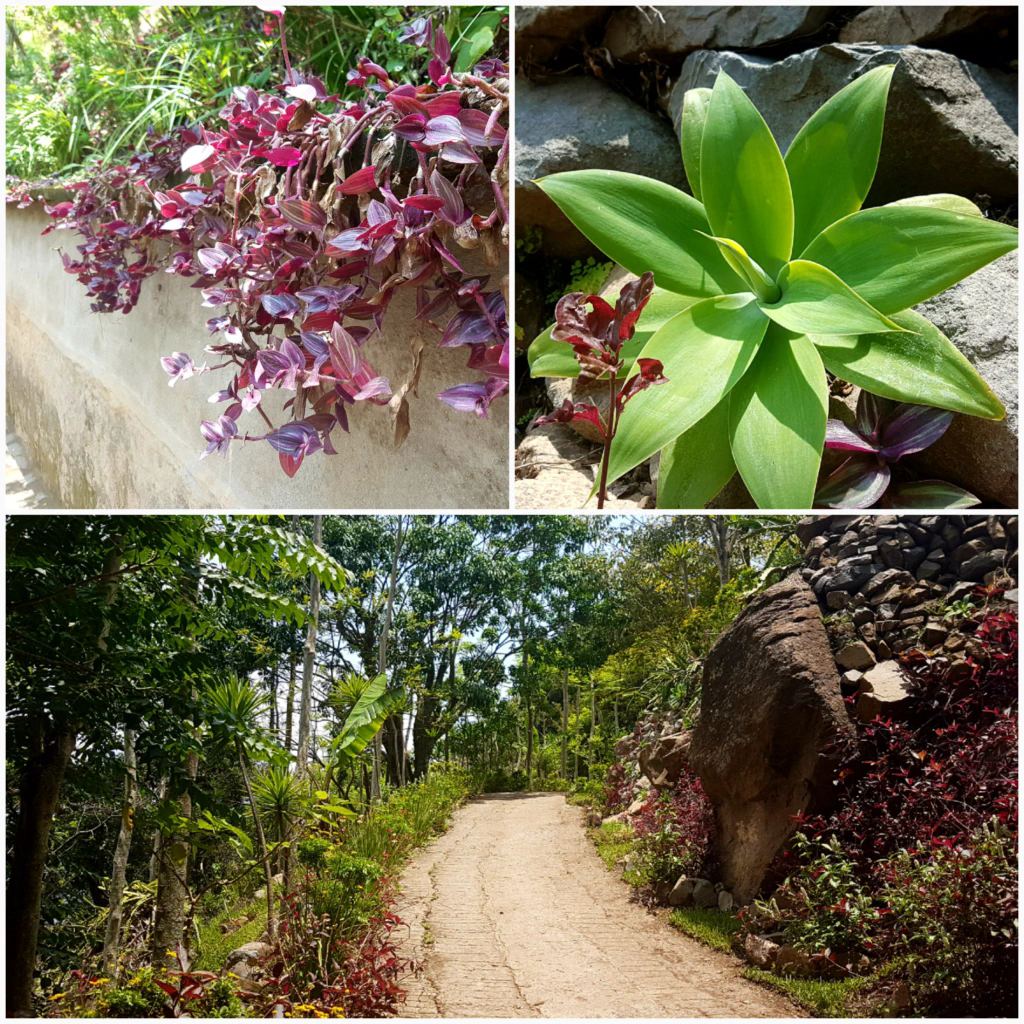
The route from Tzununa to San Marcos was then less spectacular, since a paved road connects the two places. We could even have taken a tuk-tuk.
In the hippie town of San Marcos, where we had already dropped by on our first tour around Lake Atitlán , we enjoyed a cappuccino and an oh-so-delicious caramel slice ❤️ before taking the next lancha back to Panajachel.
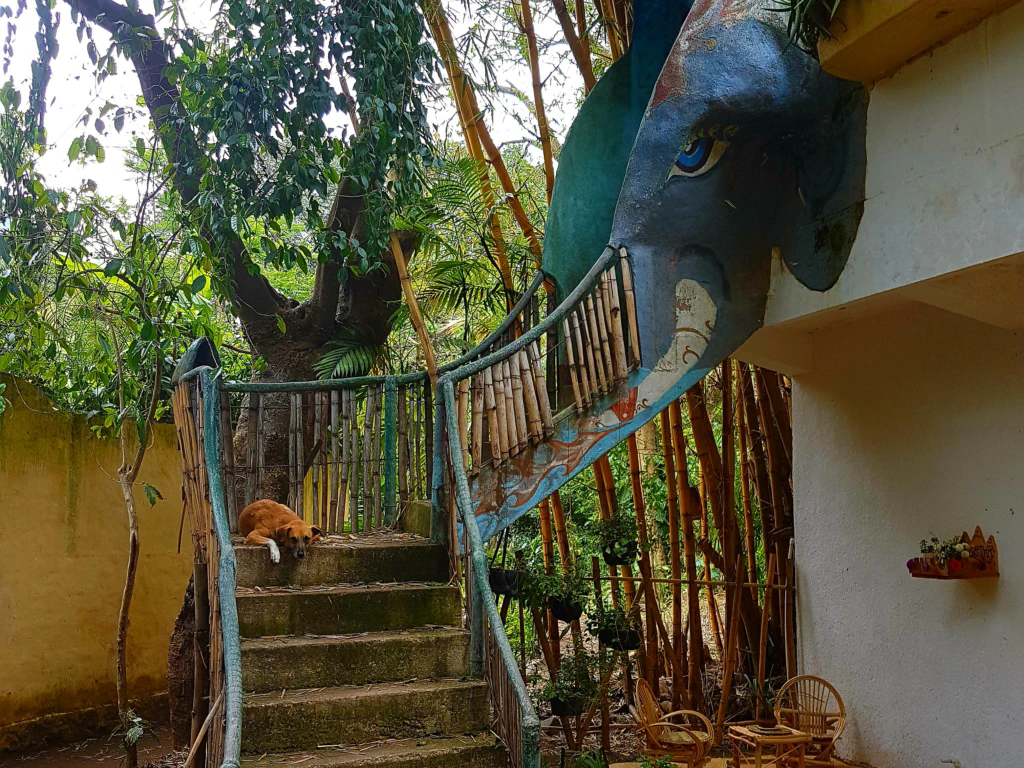
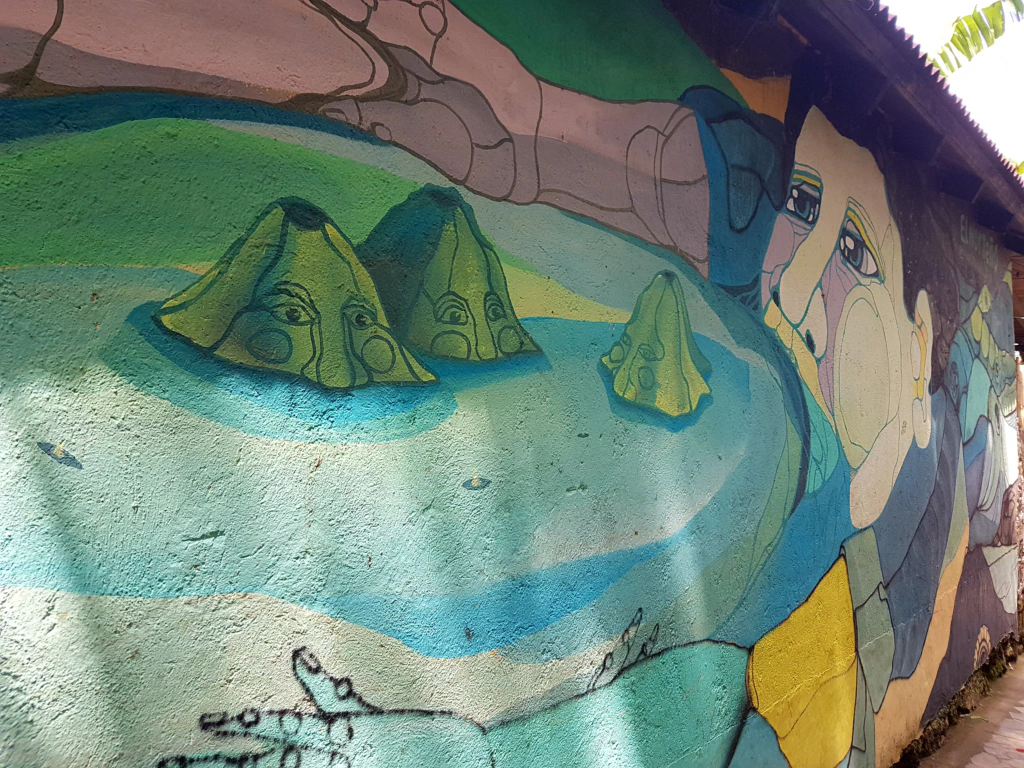
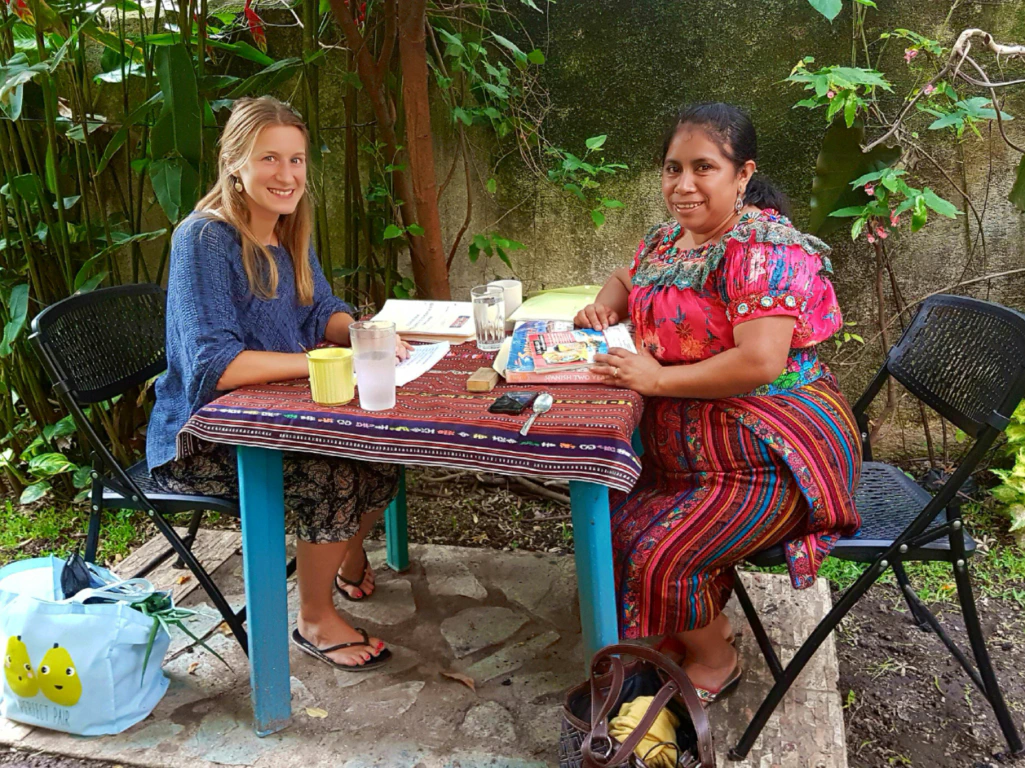
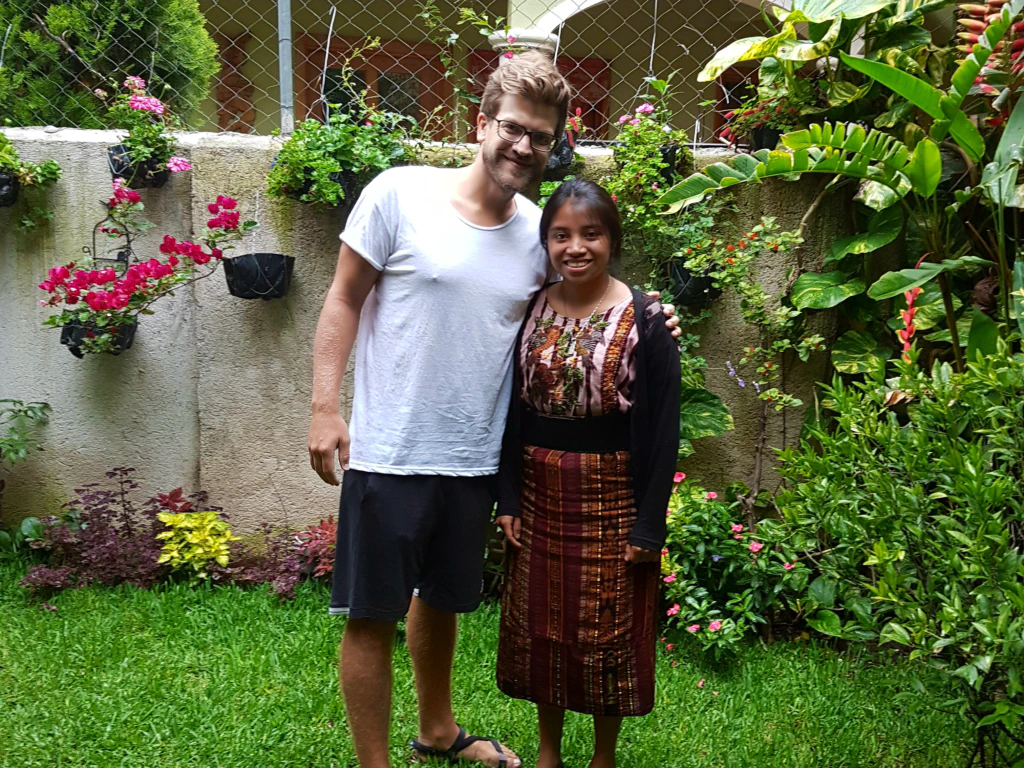
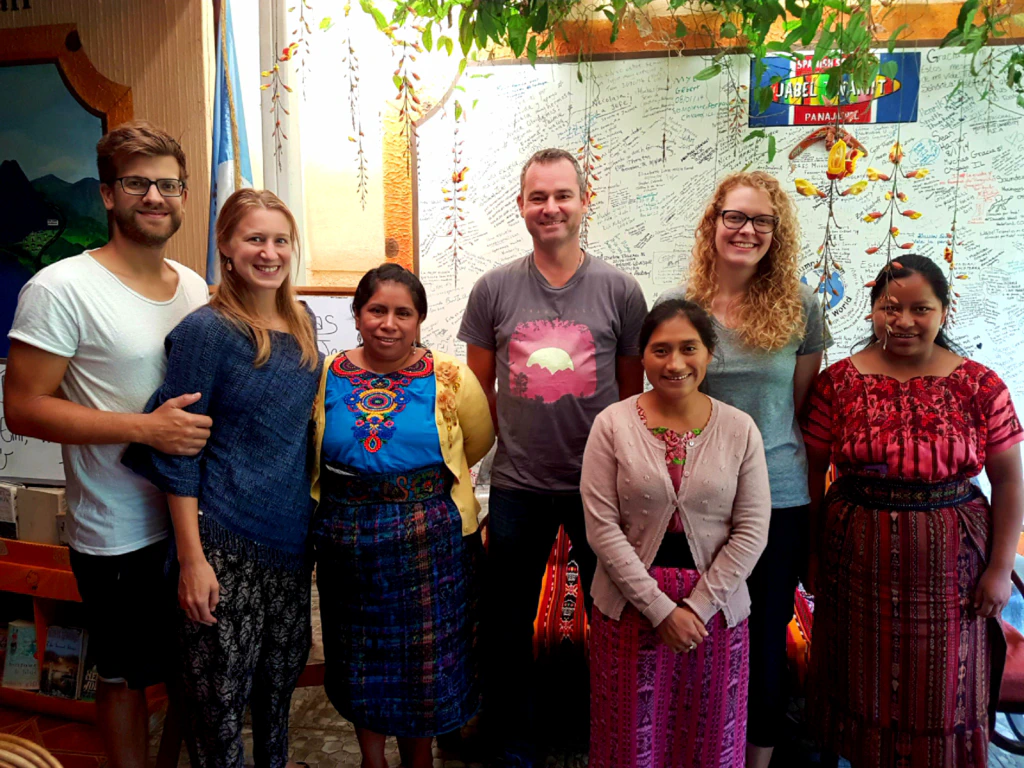
By now we have our last days of Spanish lessons behind us and are saying a wistful goodbye, after almost a month in Panajachel, to Lago de Atitlán, our Spanish school Jabel Tinamit and the little house we grew so fond of.
It was a wonderful experience to live in Guatemala for a short while and to see life through more than tourist spectacles. Incredible how much Spanish we learned in those three weeks. I think it would have taken two years to cover the same material at school. Now it means keeping at it and practising, practising, practising! I have worked through six tenses and another five sub-tenses, after all!
Next stop: Antigua/Guatemala