Our time in Panajachel is flying by. We have been living in this town on Lago de Atitlán in Guatemala for 2.5 weeks now. In a week it will already be time to pack up again.
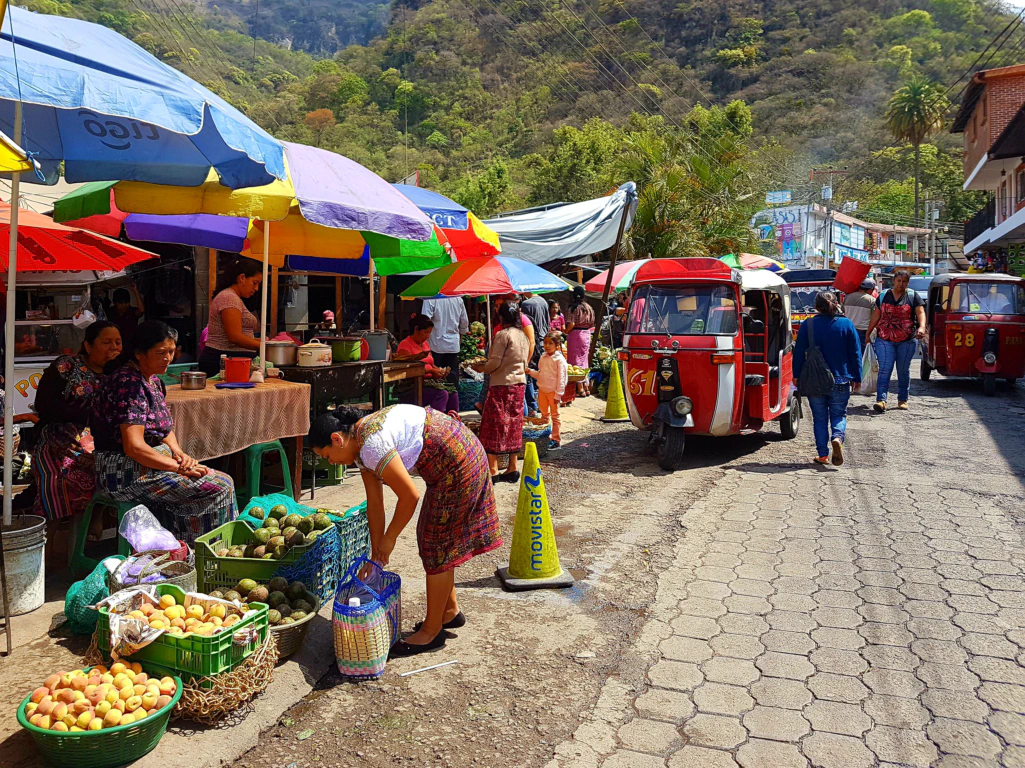
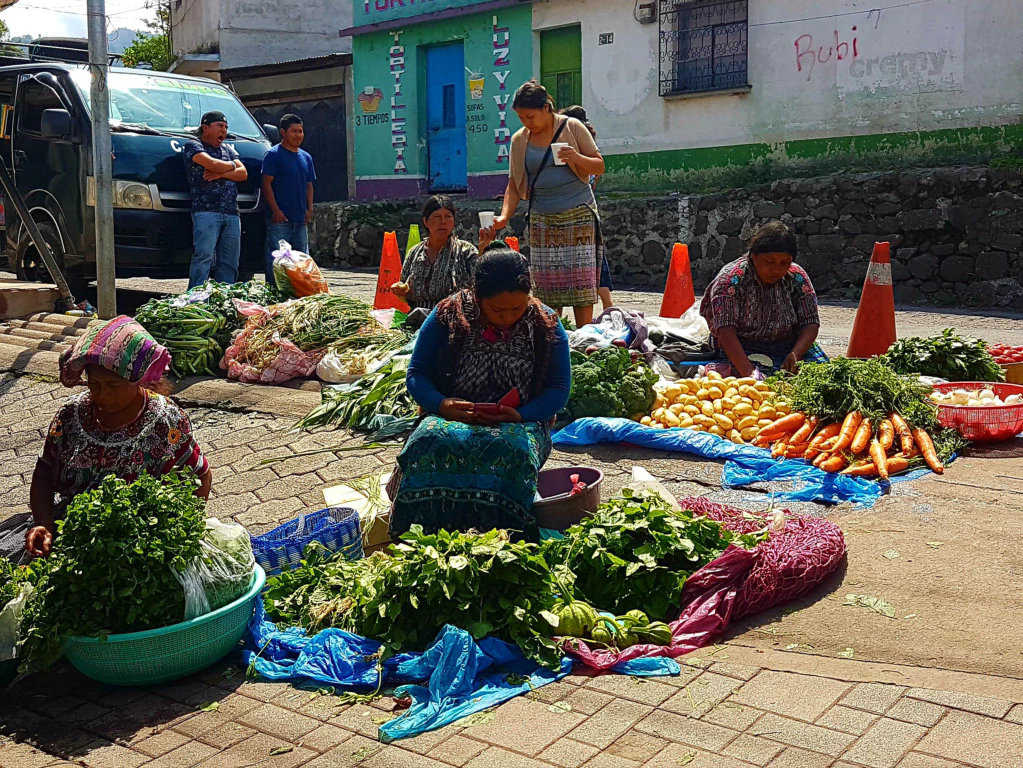
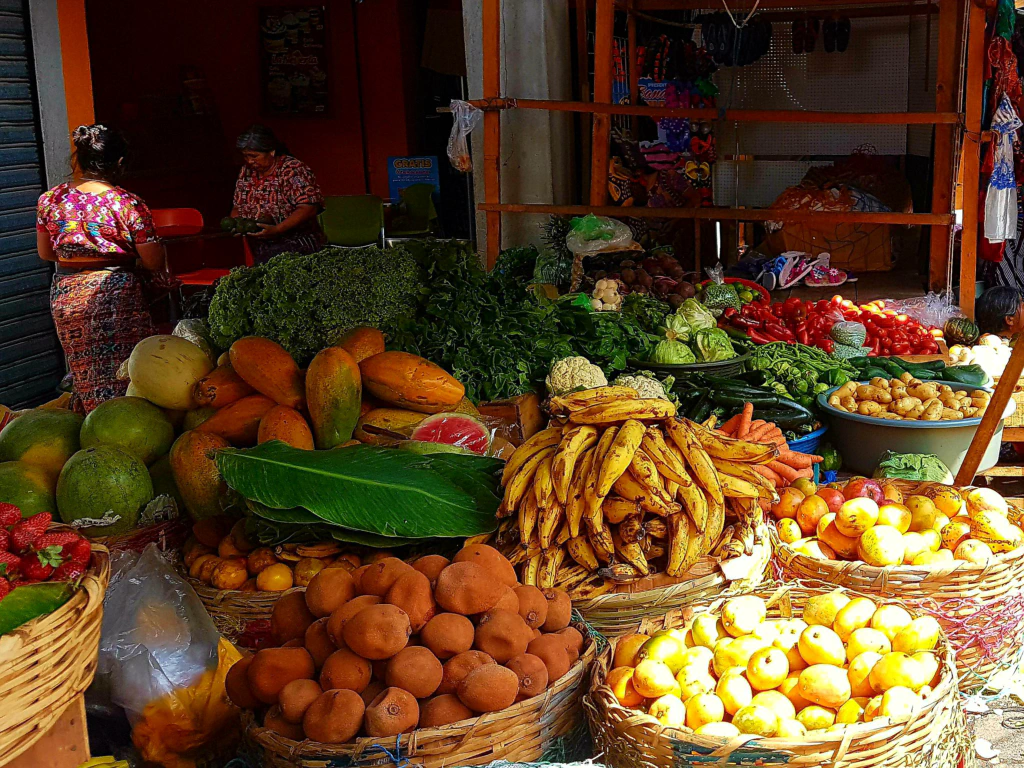
By now something like a routine has crept in. In the mornings, after my yoga class or before our language course, we head first to Panajachel’s market to buy our daily portion of vitamins.
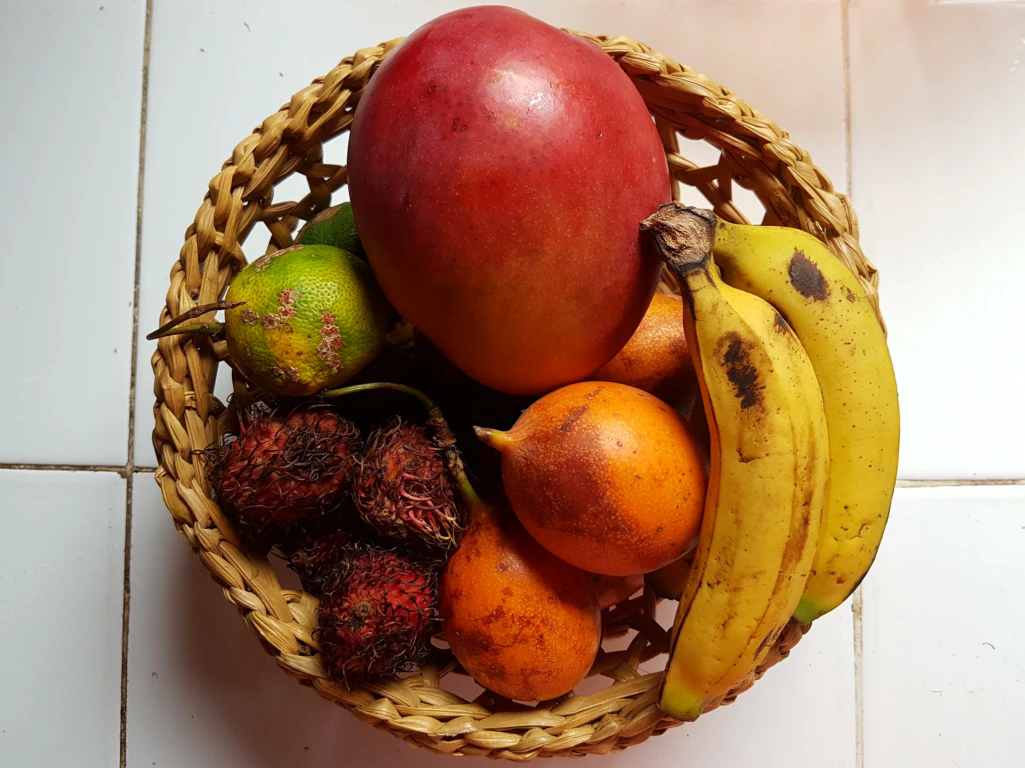
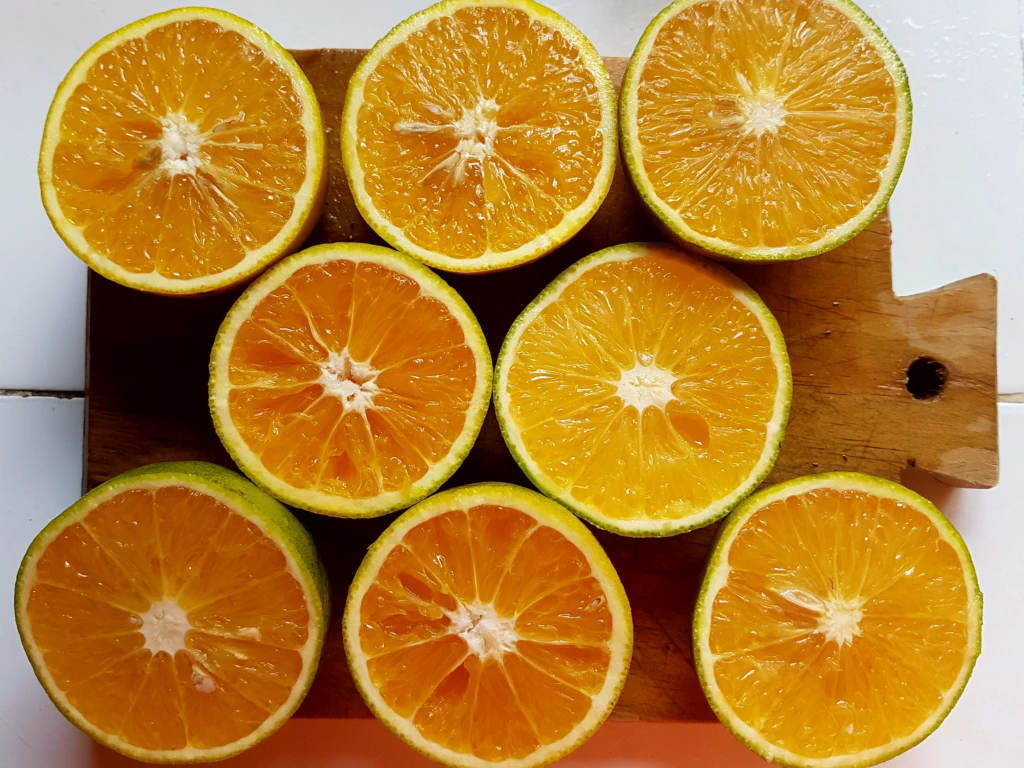
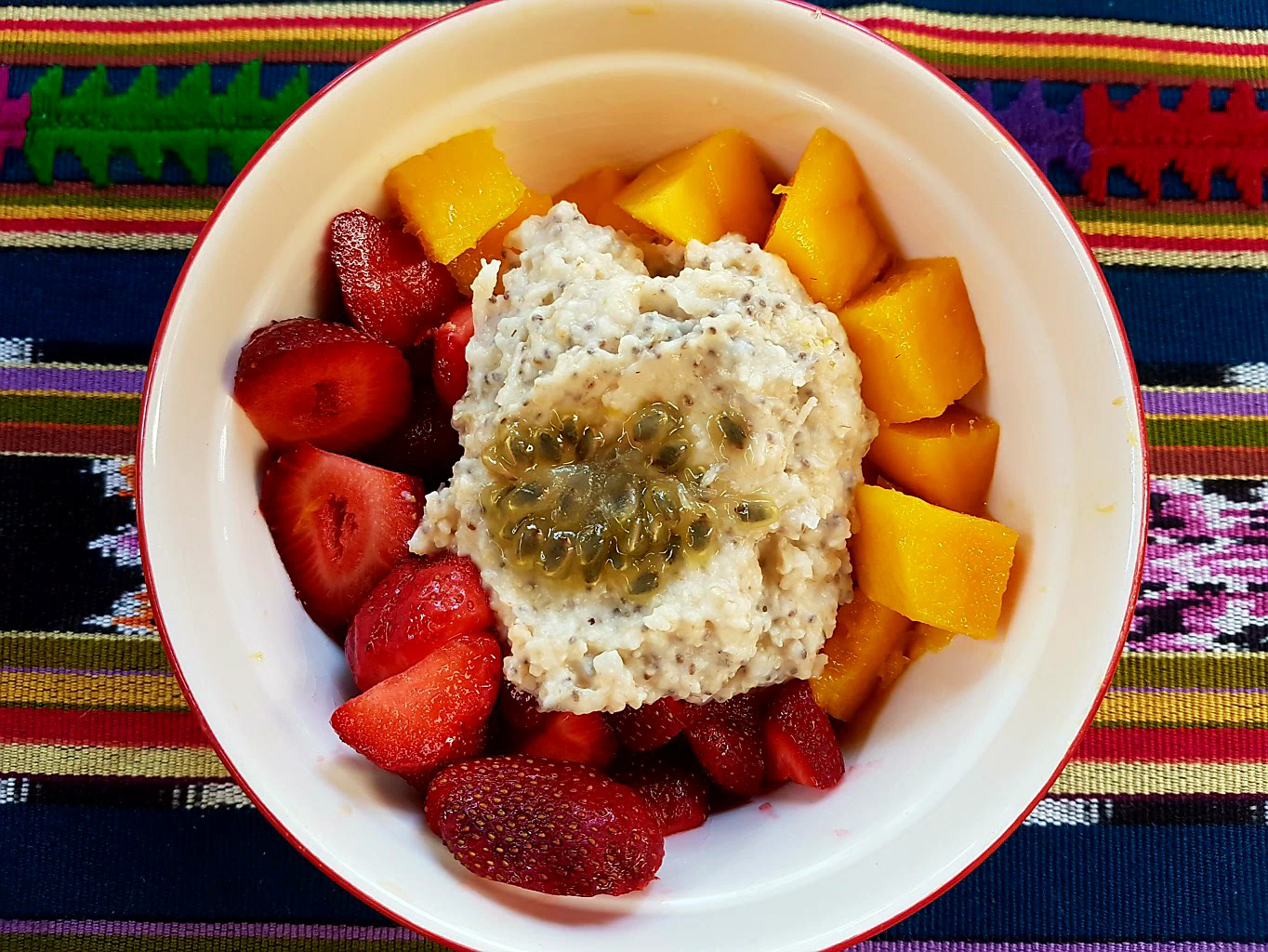
I cannot get enough of the fresh fruit, vegetables and herbs. It is heaven on earth to be able to buy my favourite fruits, mangoes and avocados, at a bargain price. But it is also wonderful to give all the unfamiliar kinds of fruit and vegetables a chance, such as güisquil (no translation; a green potato?), zapote (sapote) and tamarillo (tree tomato). Even if the market women are sometimes amused by my questions: what is this fruit called? Do I have to cook it?
After generally doing our homework in the mornings (nothing ever changes), we head to our Spanish language school Jabel Tinamit for four afternoon hours.
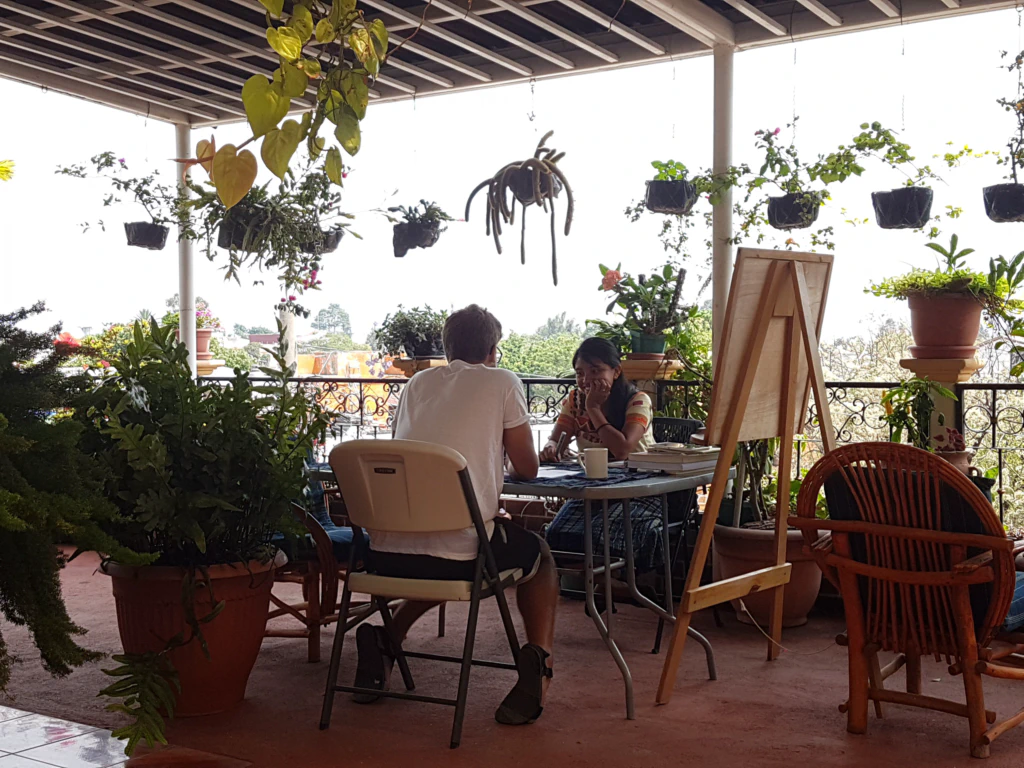
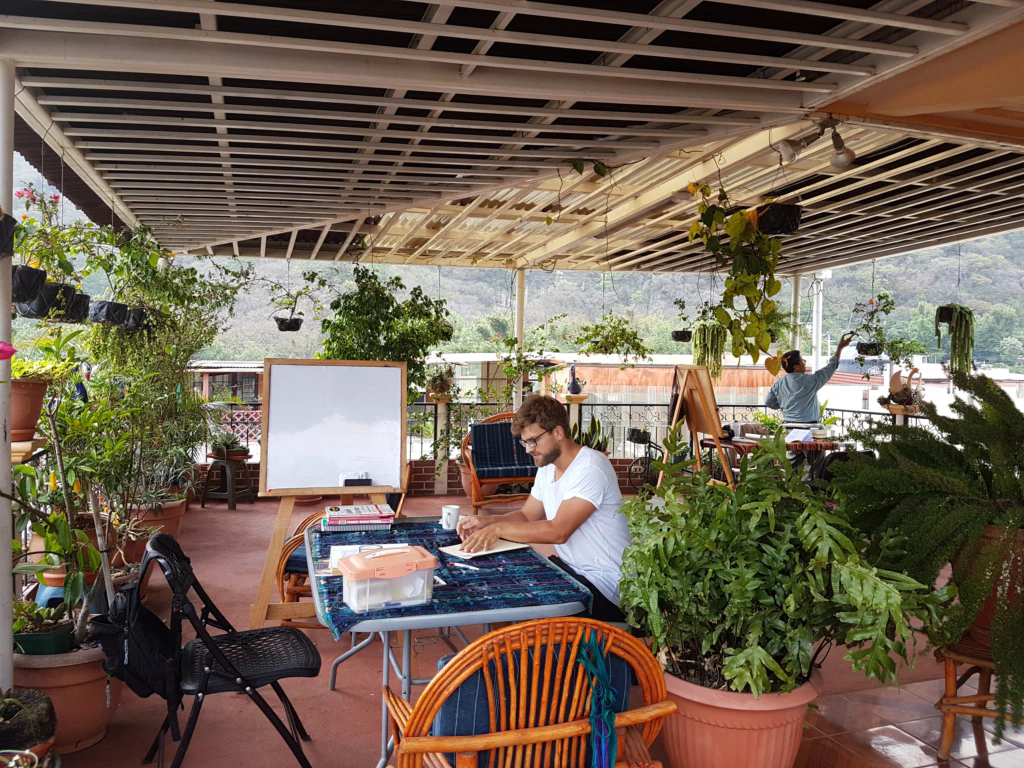
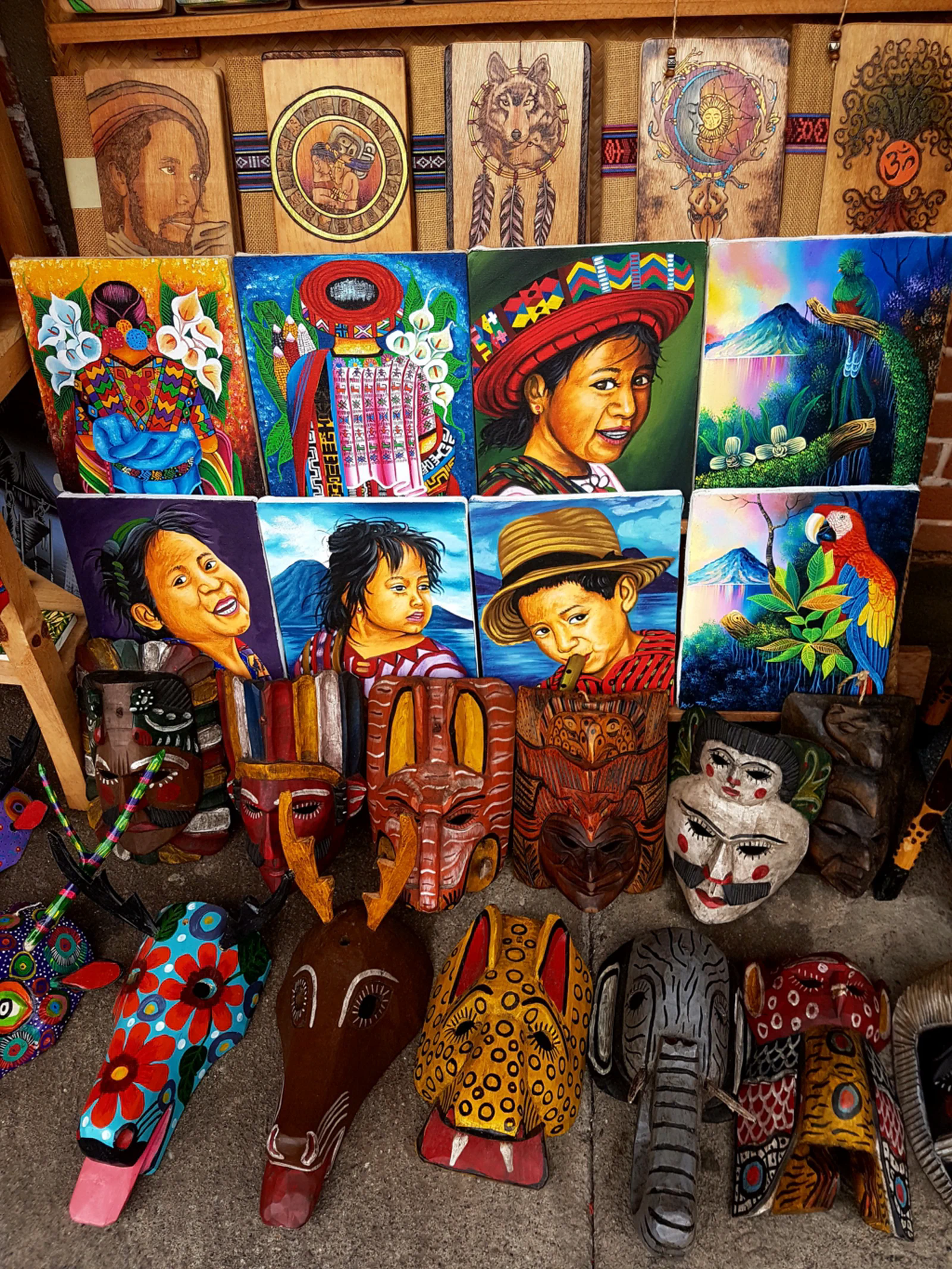
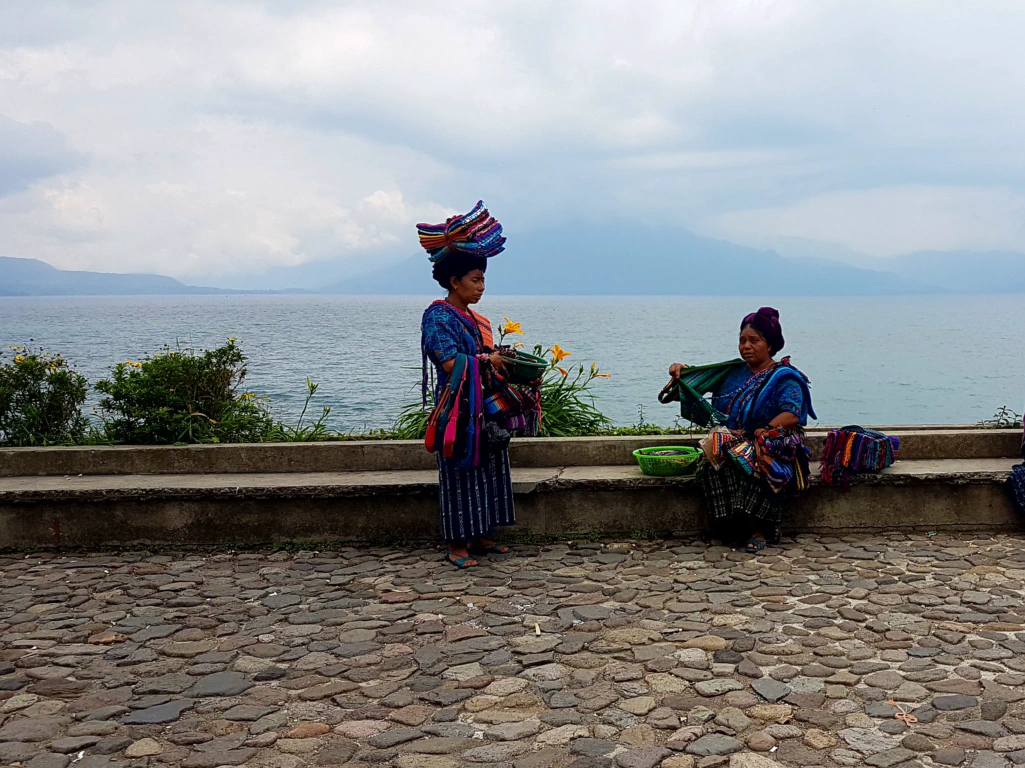
There we learn not only Spanish but also a great deal about Guatemalan life. While in Mexico around 10 per cent of the population is indigenous (Maya and descendants of the Aztecs), in Guatemala it is 50 per cent (Maya). Here in Panajachel at least it feels like even more. The Maya maintain their customs - among other things they mostly wear traditional colourful clothing. At the same time the majority are very poor and have a far harder time than the Guatemalans of European (mostly Spanish) descent (ladinos). In Panajachel, for instance, almost all the hotels, hostels, restaurants, cafés and travel agencies are run by ladinos or expats. The Maya benefit from tourism only to the extent that they work as employees or sell their goods at the roadside.
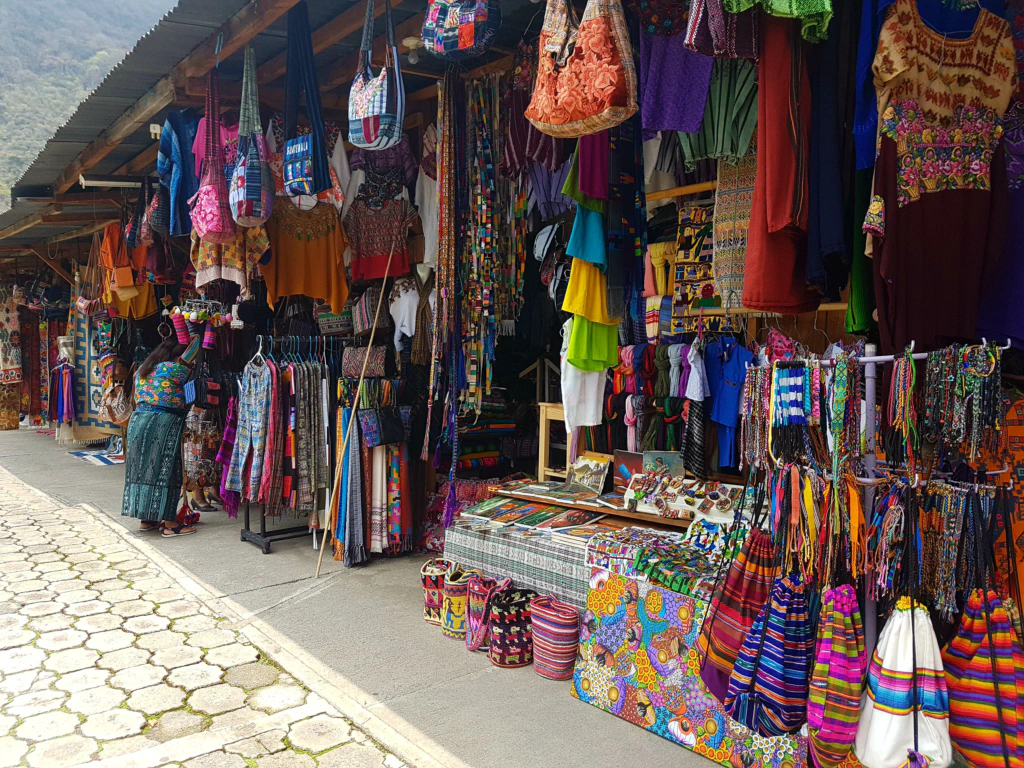
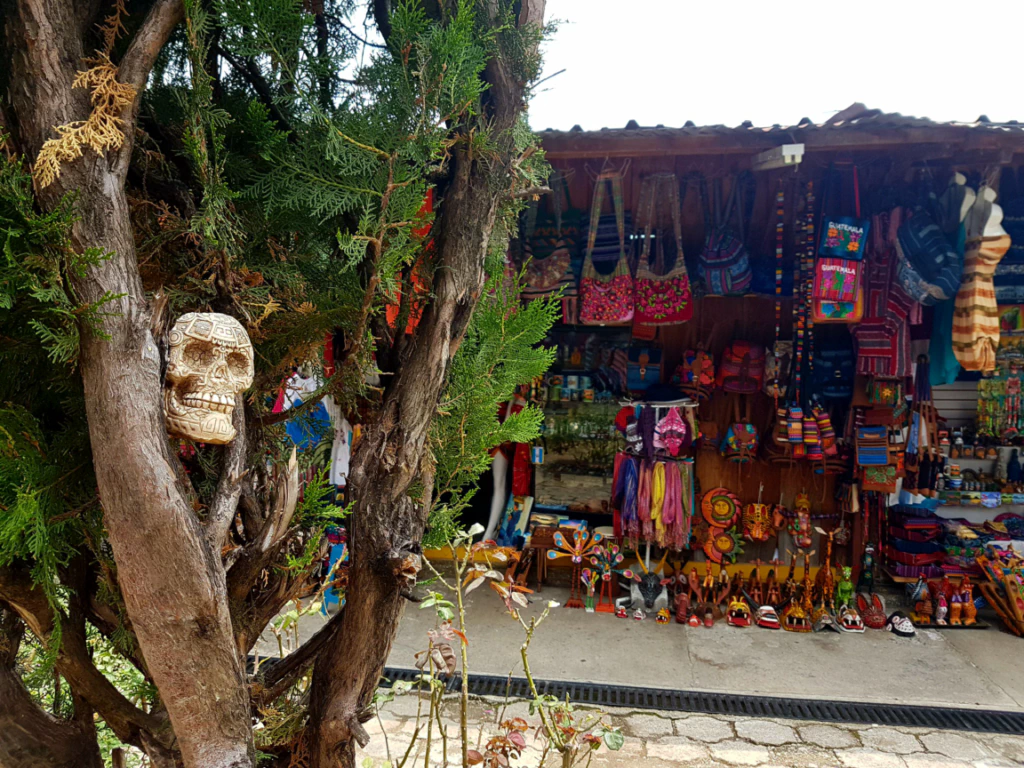
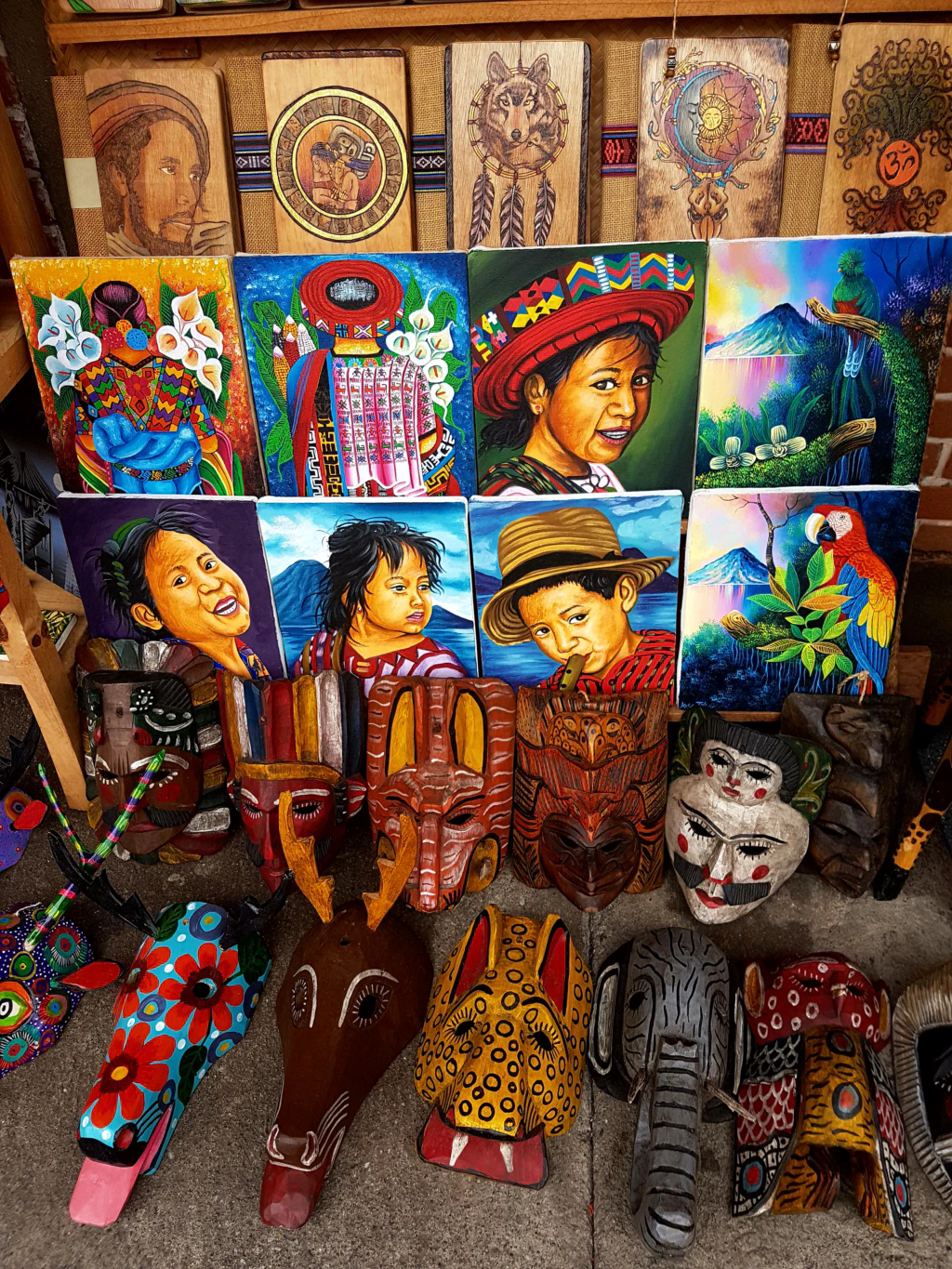
My teacher Florinda told me that after marriage the women move in with their husband’s family and are more or less treated like a household slave by their parents-in-law. Many girls are just 15, 16 or 17 years old at that point. Their day begins between four and five in the morning, baking vast quantities of tortillas to fill the extended family. Ten to fifteen tortillas per person are put away at breakfast alone! All day long the woman runs the household, and even if she wants to visit her own parents she needs her parents-in-law’s permission for it.
My teacher Florinda lived in exactly those conditions until four years ago, when she managed to persuade her husband to build a house of their own for their family.
Many men here have a drinking problem. For them it is normal to drink themselves unconscious and then simply sleep it off at the roadside. That is part of the street scene here during the day.
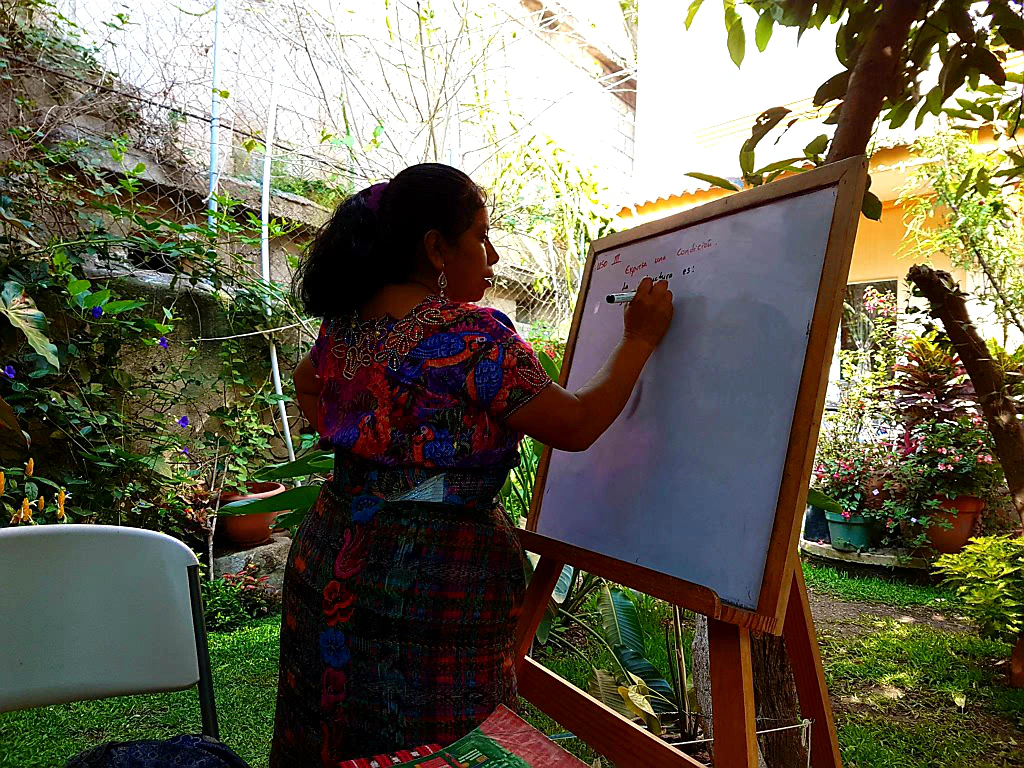
Our language school Jabel Tinamit is considered one of the best on Lago de Atitlán and is run by a Maya couple. Although the lessons are cheap already, part of the money goes into a whole series of social projects the school supports.
We have certainly settled in well in Panajachel. Our Spanish really is coming along nicely! Even if it feels like I learn a new tense every day and I am currently at a point where my head is jumbling them all up.
Apart from one 9-euro-for-a-jar-of-Nutella lapse, we have got used to the available selection of local food and dutifully live mainly on fruit and plenty of vegetables. We have not managed to warm to the tortillas here so far. Somehow they tasted better in Mexico.
And apart from the initial blunder of wading through the raging river-streets, we have also stayed out of the rain quite nicely. It usually sets in around seven in the evening, so we can listen to it from our dry living room.
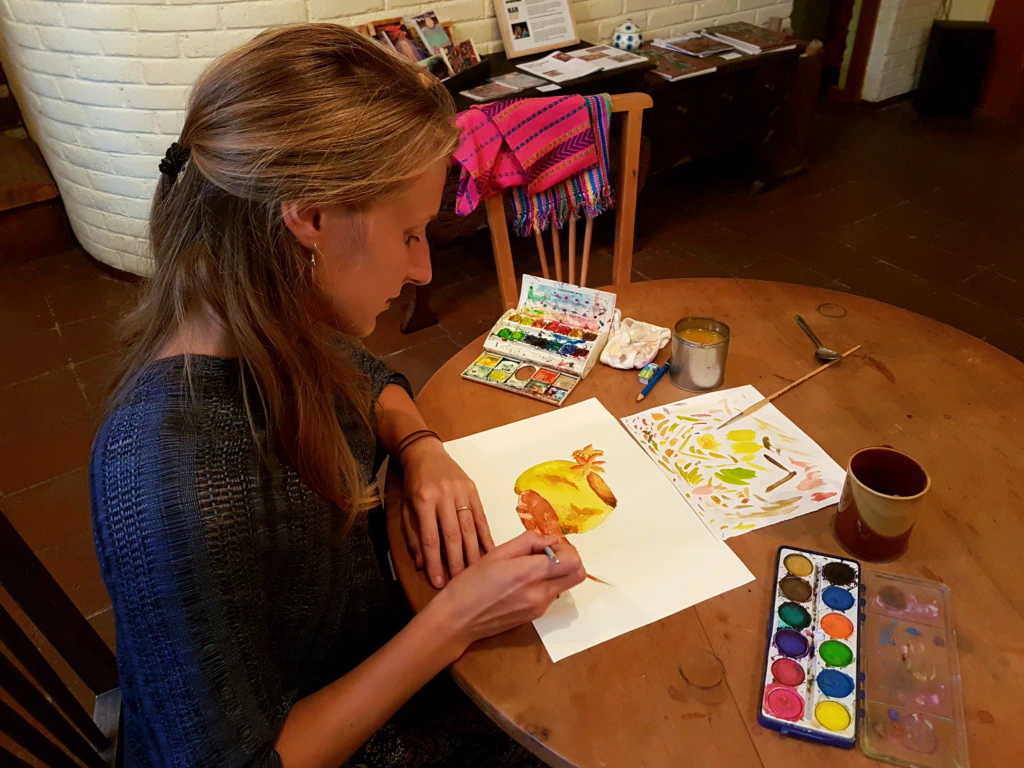
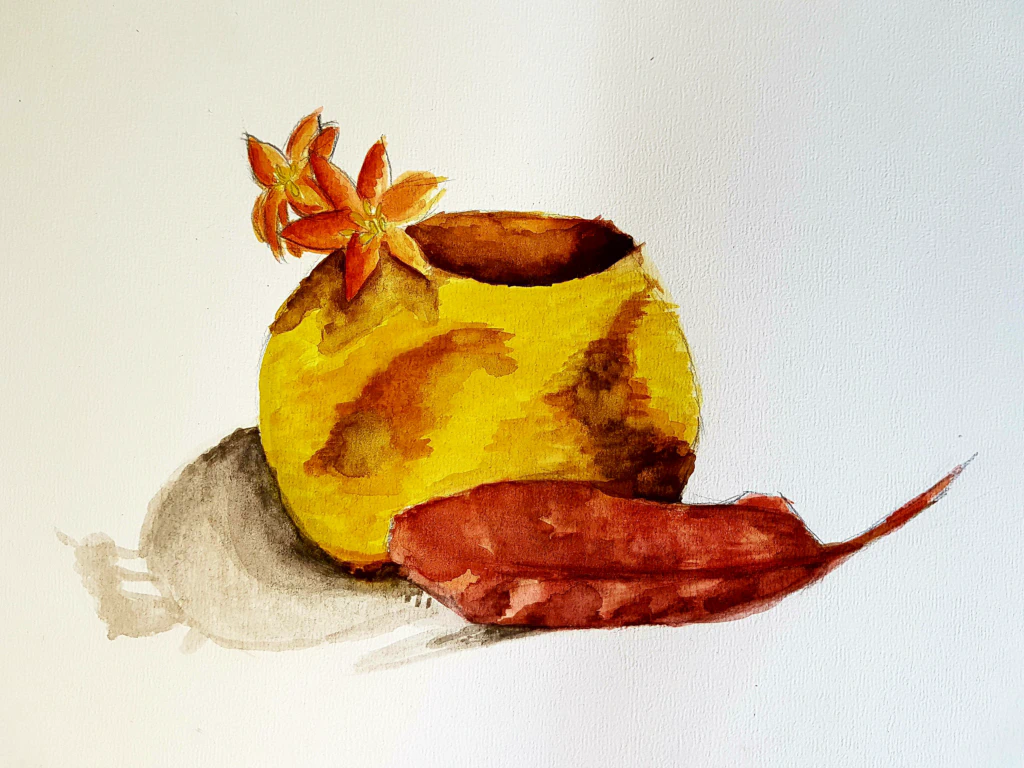
In addition to the regular yoga and Spanish, I have also tried my hand at painting here. At the Galeria an artist offers three hours of painting lessons once a week. And what can I say: it was genuinely fun and I am surprised that, thanks to her tips, I managed a picture worth looking at. All the better that I can go a second time in our final week.